‘Explosive’ parasitic infection cases continue rising in NC, across the US
AI-generated summary reviewed by our newsroom.
- Cyclospora has sickened people in 31 states, including North Carolina.
- North Carolina has 240 total confirmed cyclosporiasis cases as of July 10, 2026.
- CDC has received reports of 843 confirmed domestic cyclosporiasis cases.
A parasite found on raw produce has sickened people in 31 states, including North Carolina.
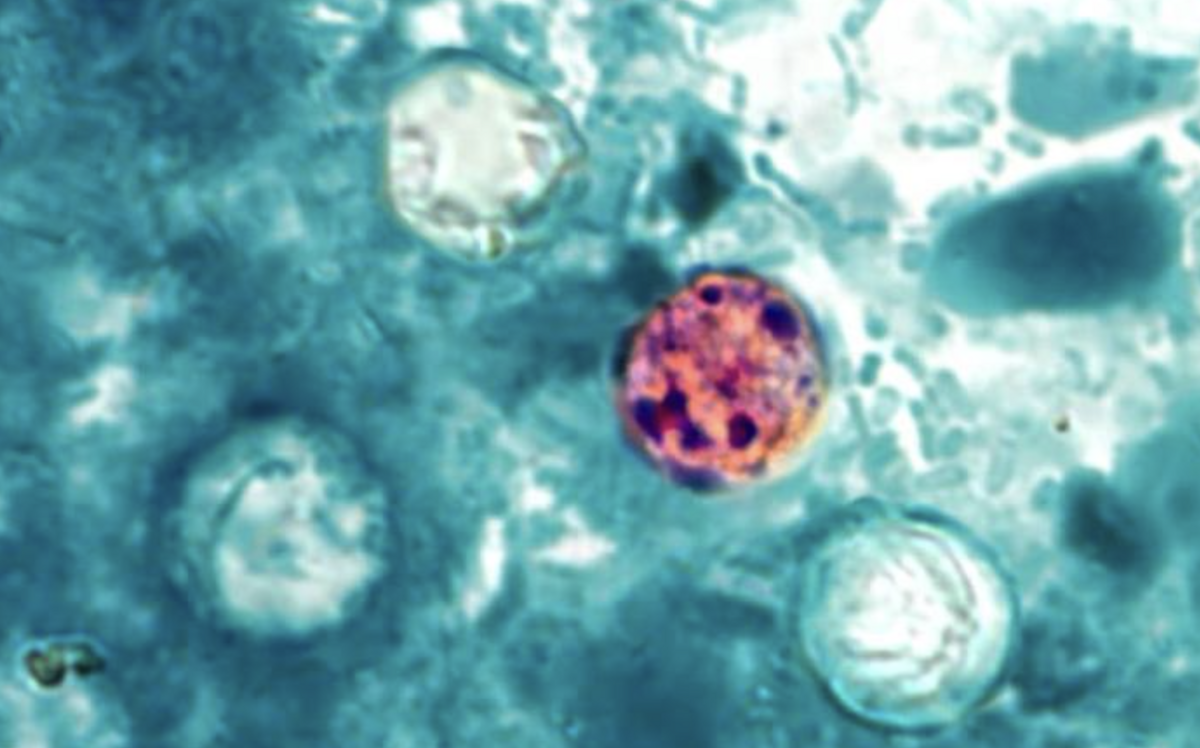
North Carolina has 240 cases of cyclosporiasis as of Friday, July 10, according to the North Carolina Department of Health and Human Services. Cyclosporiasis is an illness caused by the parasite cyclospora, characterized by watery, “explosive” diarrhea and other intestinal distress.
The CDC is reporting 843 cases contracted in the United States, but numbers could be higher.
“CDC is aware that states are likely to report higher case counts of cyclosporiasis than reflected in CDC data and is working closely with states to update numbers as additional cases are confirmed,” The organization wrote. “Since May 1, 2026, CDC has received reports of 843 confirmed domestic cases of cyclosporiasis and is aware of more than 1,500 cases that require further analysis to confirm the illness as domestically acquired cyclosporiasis.”
People may also contract cyclosporiasis and not need medical care, meaning not all cases will be identified. At least 86 of the cases identified by the CDC led to hospitalization.
What is causing the illness?
Cyclospora infections typically occur when someone eats raw produce that has been contaminated with fecal material. In some cases, a product can be identified that is causing a cluster of infections. But it can be difficult, because the parasite often takes up to two weeks to cause symptoms, and people can’t always identify what they ate.
A cause has not been identified for this uptick in cyclosporiasis cases.
“As of right now, they have not been able to identify what that source is, but I think it’s a safe bet to assume that in a national outbreak like this, there’s a contaminated food product, commercial food product that was distributed nationwide, and we are exposed to it in that way,” Dr. John Sanders, an infectious disease expert at Atrium Health, said.
Where are the cases?
Michigan and New York have the most domestically acquired cyclosporiasis cases in 2026. Michigan is reporting more than 2,600 cases as of Monday, July 13. The CDC has not verified whether all of these cases were acquired in The United States, but acknowledges a lag in the data while cases are verified. Between 161 and 300 people in Michigan have been confirmed to have cyclosporiasis contracted in the US by the CDC.
On Wednesday, July 8, The Charlotte Observer reported the parasite was found in 18 states, including North Carolina. It is now confirmed in 31. North Carolina has fewer than 100 cases confirmed to be acquired domestically, but is among five states with 31-80 cases, according to the CDC.
How do I prevent the illness?
The Charlotte Observer previously covered who is in increased danger from cyclospora infections. The very young, old and immunocompromised would likely be hit harder by the parasite.
The CDC recommends avoiding consuming food or water that may be contaminated and following food safety recommendations.
The FDA recommends cleaning produce by:
- Wash hands for 20 seconds with warm water and soap before and after preparing fresh produce.
- Cut away any damaged or bruised areas before preparing or eating produce.
- Rinse produce before you peel it, so dirt and bacteria aren’t transferred from the knife into the flesh of the fruit or vegetable.
- Gently rub produce while holding under running water. Soap and produce wash are unnecessary.
- Use a clean brush to scrub firm produce, such as melons and cucumbers.
- Dry produce with a clean cloth or paper towel to further reduce bacteria.
- Remove the outer leaves of a head of lettuce or cabbage.
This story was originally published July 13, 2026 at 3:42 PM with the headline "‘Explosive’ parasitic infection cases continue rising in NC, across the US."