‘Abti was taken’: Charlotte family left in dark as uncle was shipped to Somalia
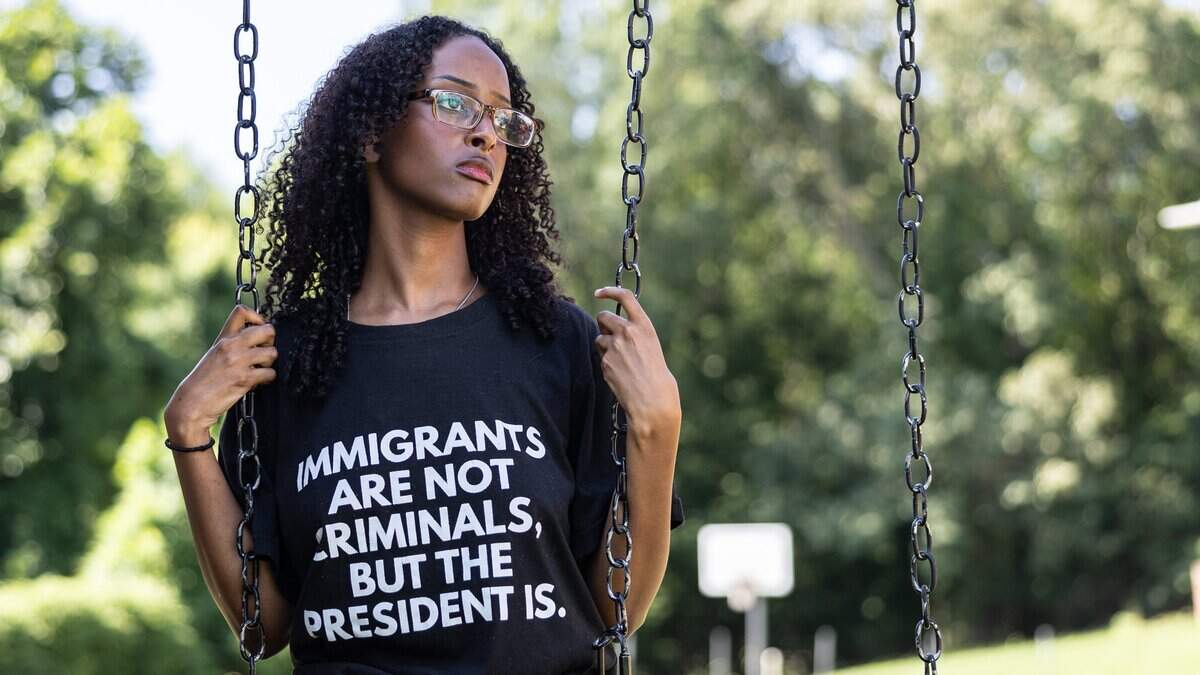
In a two-bedroom east Charlotte apartment and at the Islamic Center just down the street, Eza Omar’s childhood filled with memories of her uncle.
She’d sit at his feet and look up as he and her parents went back and forth “just talking… talking, talking, talking,” Omar told The Charlotte Observer in a recent interview. Omar was maybe six years old, and her big brother and little sister were probably on the floor with her, she said. Above, her mother’s brother, Abdullahi Mohamed, cradled a cup of tea in his hands and talked to her parents about their Central Avenue community, the news of the day and the global events that dominated the early 2000s.
That scene, she said — the tea, the living room, the hours of talking — reflected their Somali culture.
But for seven weeks toward the end of last year, talking wasn’t an option.
At a routine check in with Immigration and Customs Enforcement in October, agents took Mohamed and revoked the terms he’d lived under for 20 years. He seemingly vanished. And about month after he was taken, federal immigration agents swarmed Charlotte and the very neighborhood that held Omar’s cherished memories.
“His community here,” Omar said, “was suffering the same way that he was.”
20 years before deportation
Mohamed followed his sister, who is Omar’s mother, to the United States and applied for asylum after he made it across the Mexican border in 1999, documents say. Omar’s mother became a U.S. citizen after being naturalized during the first Trump administration, which spanned from 2018 to 2021. Her story veers from her brother’s.
Mohamed’s asylum application was denied, and immigration judges ordered him to leave in 2001 and later rejected his appeal in 2002. But he was still allowed to stay, since Somalia —fractured by civil war and without central government — was difficult to deport to.
So Mohamed got a work permit. To keep it, he regularly checked in with ICE. He lived for 10 years in east Charlotte’s immigrant corridor and frequented the Islamic Center of Charlotte. Then he lived another 10 years in Maine, working as a taxi driver with his wife.
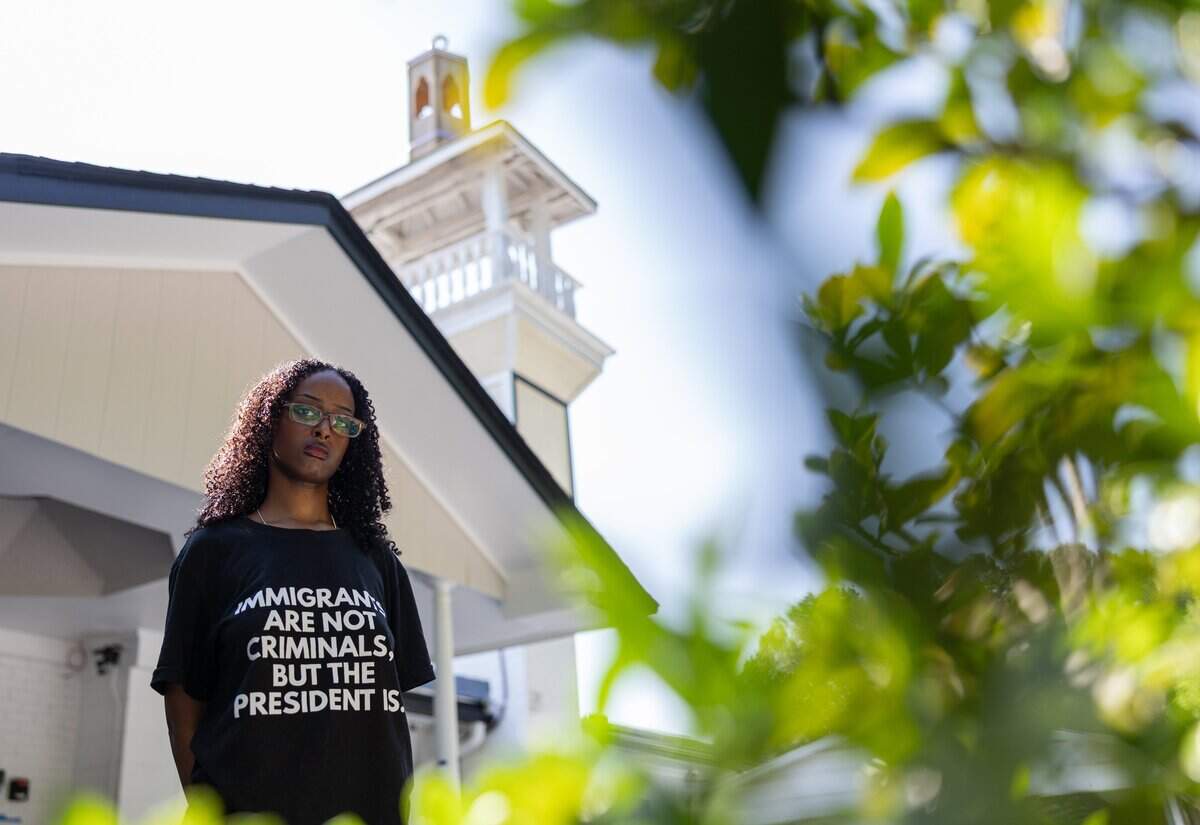
Until Oct. 23, when, without warning or time to prepare for deportation, the government took him in Scarborough, Maine, and moved him around faster than Omar and her family could keep up, The Marshall Project reported in June.
‘Abti was taken’
Omar, now a 25-year-old behavioral therapist who works with autistic children in Charlotte, was five hours into her shift and working with a girl no older than 6 when her phone pinged.
Abti — Somali for uncle — was taken by ICE, her little sister texted.
“I just stood up, and I looked to the lead therapist and said ‘Can you watch her?’” Omar said in a recent interview, “and I just walked out the front of the building.”
Outside, she called her sister, and they sat in silence.
I’m going to call mom, Omar finally said.
Don’t, her sister responded. She’s calling lawyers.
So Omar went back inside and finished her shift. When she got home, Omar urged her mom to file a habeas corpus petition before officials moved Mohamed. She knew that was important, she said, because she kept up with the news — like her abti had done when she was younger.
She knew if he was in a new district by the time they filed the paperwork, which requires the government to bring him to court, he could get lost in the system.
And that’s exactly what happened, she said. He was in Massachusetts for seven weeks through November. Then in Mississippi. Then Louisiana.
As he disappeared, masked federal agents filled Charlotte immigrant neighborhoods — especially east Charlotte — from Nov. 15 to Nov. 22 and arrested people on the street.
Videos of agents outside Omar’s childhood apartment were chilling, she said, but the scenes along Central Avenue and protesters outside Manolo’s Bakery brought some comfort. In them, she saw her uncle’s fighting spirit.
But with each call, which could come from anywhere and at any time, Mohamed had a little less power behind his voice.
“I just want to be out by Ramadan,” he said sometime in November, when Ramadan was three months away.
Desperate for answers, Omar’s family asked U.S. Sen. Thom Tillis for help locating her uncle. Even his information came too late.
Somali deportations
Mohamed’s last call came in early December from an undisclosed airport. Then from a country he hadn’t been in since the turn of the century.
Mohamed was deported back to Somalia Dec. 18, about a month after President Donald Trump on Nov. 21 announced on his social media platform that he was “terminating, effective immediately, the Temporary Protected Status (TPS Program) for Somalis” — a move made as agents raided Minnesota, which is home to a large Somali community.
“Somali gangs are terrorizing the people of that great State, and BILLIONS of Dollars are missing,” the president said, referencing a fraud scheme tied to some Somali Americans. “Send them back to where they came from. It’s OVER!”
A federal judge in the U.S. District Court for the District of Massachusetts blocked the administration’s termination of TPS for Somalia and has temporarily extended its time on a list of protected places people cannot be deported back to.
But agents flew Mohamed out before that court order came down. He remains there, in a motel paid for by his only living family in Charlotte. He’s banged up after detention, Omar says, and her family wants him to get medical help for his broken nose and elbow and document his physical and psychological scars.
On May 21, six months after Omar’s family had asked one of their senators for help, a letter on Tillis’ official letterhead said what the family already knew.
Mohamed was gone.
This story was originally published July 2, 2026 at 5:00 AM with the headline "‘Abti was taken’: Charlotte family left in dark as uncle was shipped to Somalia."