Beware these 2 infant illnesses this winter. How to keep babies safe in NC
AI-generated summary reviewed by our newsroom.
- HFMD cases rose in NC childcare centers and schools; hygiene reduces spread.
- Infant botulism outbreak tied to recalled formula hospitalized at least 15 nationwide.
- Parents should avoid honey for infants and seek care early if botulism symptoms appear.
Cold and flu season isn’t the only threat to North Carolina babies and toddlers this fall.
From hand, foot and mouth disease (HFMD) spreading through schools to a recent infant botulism outbreak linked to baby formula, parents have more to watch out for than sniffles and fevers.
HFMD is a common illness that primarily affects babies and young children, according to the Centers for Disease Control and Prevention.
“It’s been a busy year” as far as HFMD cases go, Dr. Joel Vaughan, a professor at the Duke University School of Medicine told The Charlotte Observer. He also noted that the state saw an uptick in cases “several months ago.”
In October, Rockingham County reported an increase in HFMD cases, “especially in childcare centers and schools,” according to a news release. A spike in cases was also reported in Haywood County earlier this year.
In contrast, infant botulism is a serious condition that can cause a slow form of paralysis in infants, according to the CDC.
ByHeart, a baby formula manufacturer, recently recalled all of its organic baby formula nationwide after an outbreak of infant botulism linked to some of its products, The Associated Press reported. Health officials say at least 15 babies in 12 states, including one in North Carolina, have gotten sick since August, and all were hospitalized after drinking the formula. No deaths have been reported.
Here’s what you need to know.
How does hand, foot & mouth disease spread?
HFMD is caused by viruses, according to the CDC, meaning it can spread through contact with:
- Droplets with virus particles made after a person sneezes, coughs or talks
- Objects and surfaces that have virus particles
- Fluid from blisters
- Poop
What are the symptoms of HFMD?
Vaughan explained that, since most children don’t have immunity from HFMD like adults, “they’re much more likely to get sick” from the disease.
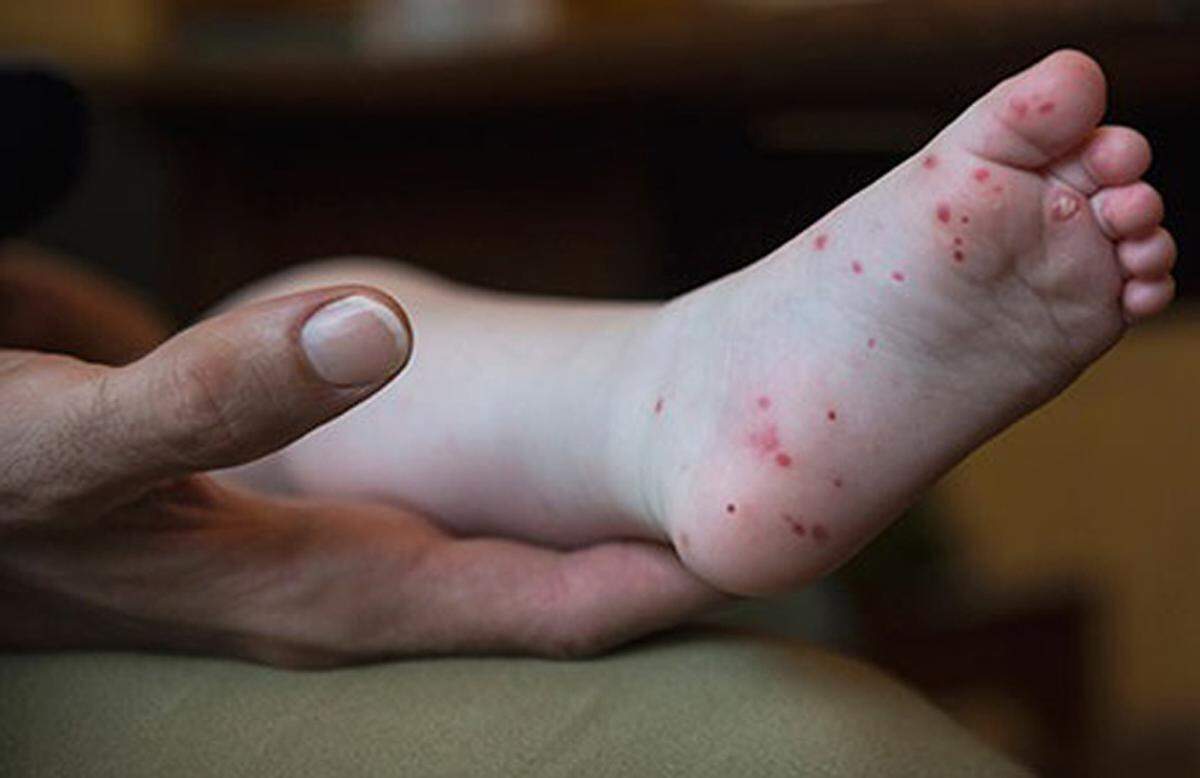
According to the CDC, most children experience mild symptoms from HFMD for seven to 10 days. They may include:
- Fever
- Sore throat
- Painful sores that blister
- A rash commonly found on the hands and feet
How is HFMD treated?
Hand, foot, and mouth disease usually isn’t serious and clears up on its own within a week or so, according to the CDC.
You can treat symptoms at home by easing pain or fever with over-the-counter meds and keeping plenty of fluids on hand, since mouth sores can make swallowing tough.
Most children can go back to school once they’re fever-free, feeling okay and not drooling uncontrollably. If you’re unsure, check with your child’s doctor or local health department.
How to prevent catching or spreading HFMD
Vaughan said “by far, the best thing people can do to prevent hand, foot and mouth disease is to wash their hands really well,” adding that doing so after using the restroom or changing a diaper is crucial.
You can also use the following tips from the CDC to avoid catching or spreading HFMD:
- Try not to touch your eyes, nose or mouth unless your hands are clean.
- Disinfect commonly touched surfaces and shared items like toys and doorknobs.
- Avoid close contact, like hugging or kissing, with anyone who’s sick.
How does infant botulism spread?
Babies can get botulism when they swallow spores from a bacteria called Clostridium botulinum, according to Cleveland Clinic. These spores can survive tough conditions, then grow and release toxins once inside a baby’s digestive system. Those toxins can enter the bloodstream and affect the nervous system, leading to symptoms of the illness.
The most common source is honey, which is why babies under 1 year old should never eat it, Cleveland Clinic says. Sometimes the spores come from other places, but doctors often can’t pinpoint exactly where.
What are the symptoms of infant botulism?
According to Cleveland Clinic, symptoms of infant botulism can include:
- Choking when trying to feed
- Constipation
- Weaker suck or poor feeding
- Eyelid drooping (ptosis)
- Lack of facial expressions, being unable to lift their head or other signs of muscle weakness or paralysis
- Weaker crying
- Weakness or decreased muscle tone, especially starting at the top of their body and limbs, making your baby feel “floppy” and keeping them from reaching or grabbing
- Bowel movement changes, including not having one for days or weeks at a time
How is infant botulism treated?
Infant botulism is very treatable, especially when caught early, according to Cleveland Clinic.
Doctors usually treat it with an antitoxin called BabyBIG, given through an IV, which helps neutralize the toxin in the baby’s system.
Antibiotics typically aren’t used since they can make things worse, except if another infection is present, Cleveland Clinic says.
How to prevent infant botulism
Because botulism spores are found pretty much everywhere, there’s no guaranteed way to prevent infant botulism, but you can lower the risk.
The biggest step is never giving honey to a baby under 1 year old, according to Cleveland Clinic.
Cooked or processed honey isn’t safe either. Experts say to avoid any kind of honey until after your baby’s first birthday.
This story was originally published November 13, 2025 at 9:40 AM with the headline "Beware these 2 infant illnesses this winter. How to keep babies safe in NC."