Daylight saving time ends soon in NC. Here’s when (+ new daylight hours)
AI-generated summary reviewed by our newsroom.
- Clocks fall back at 2 a.m. on Sunday, Nov. 2, bringing one extra hour.
- Sunsets shift from about 7:30 p.m. to as early as 5:27 p.m., cutting daily daylight.
- Federal Sunshine Protection Act and North Carolina proposals stalled; debate continues.
Daylight saving time ends in just a few days, which means an extra hour of sleep is on the way — but so are earlier sunsets.
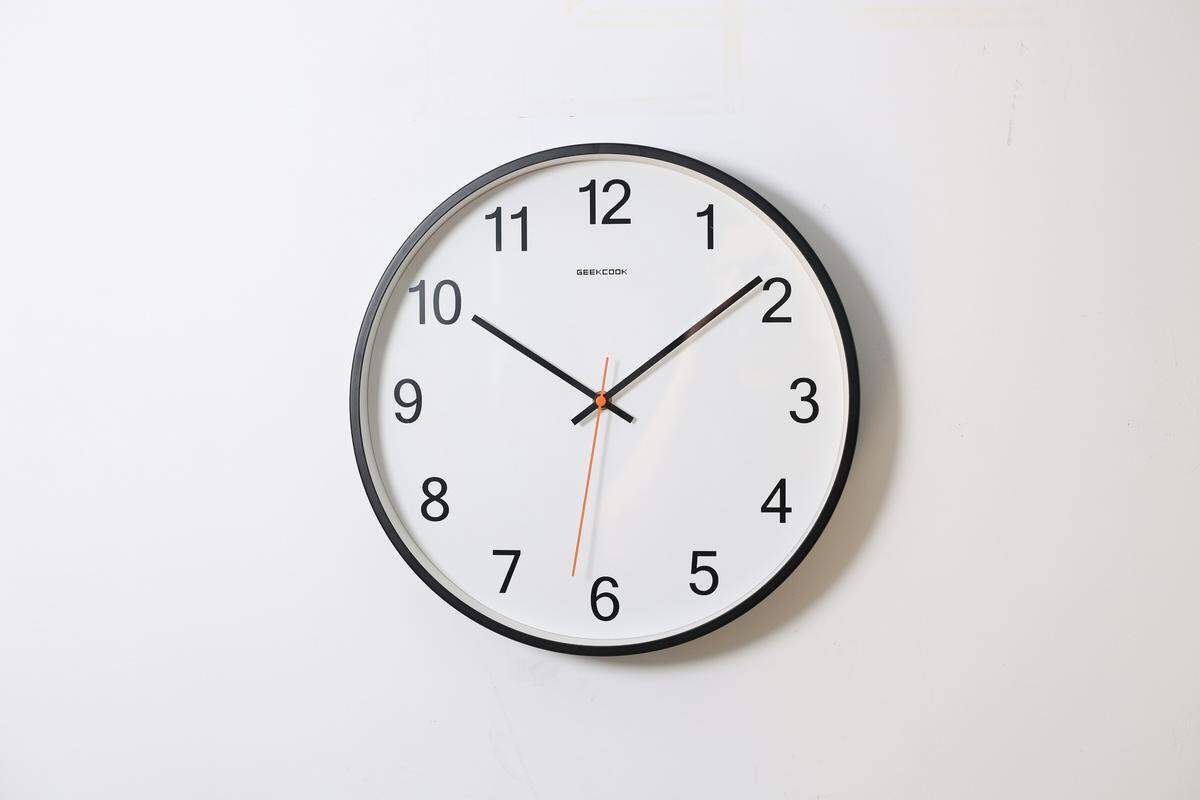
Clocks will fall back one hour at 2 a.m. on Sunday, Nov. 2, The Charlotte Observer previously reported.
Here’s what you need to know.
Why do we have daylight saving time?
Daylight saving time was first introduced as a way to save energy – the idea being that longer daylight hours in the spring and summer meant people would use less electricity.
In fact, a U.S. Department of Energy study found that when the U.S. extended daylight saving by four weeks in 2008, electricity use dropped by about 0.5% a day — roughly 1.3 trillion watt-hours, or enough to power 100,000 homes for a year. Supporters also say it comes with extra perks, like safer roads, lower crime rates and even a small boost for the economy.
However, critics say those darker mornings can make it harder for commuters and kids heading to school. Farmers, faith groups and tech experts have also voiced concerns, from disrupted routines and religious observances tied to sunlight, to the simple headache of updating clocks and devices twice a year.
Is daylight saving always the same time of year?
The Uniform Time Act of 1966 is what set the official start and end dates for daylight saving time across the country, according to the U.S. Department of Transportation. But states don’t actually have to follow it –— they can choose to opt out.
That’s why Arizona and Hawaii skip the clock changes altogether and stay on standard time year-round. The same goes for U.S. territories like Puerto Rico, Guam, the Virgin Islands, American Samoa and the Northern Mariana Islands, according to the National Conference of State Legislatures.
Could daylight saving time go away?
We’ve been switching our clocks twice a year for decades, but that routine might not stick around forever.
In 2023, federal lawmakers introduced the Sunshine Protection Act, a proposal to make daylight saving time permanent, meaning no more springing forward or falling back. The bill passed the Senate once before but stalled in the House, and a new bipartisan version introduced earlier this year hasn’t made much progress either.
Here in North Carolina, lawmakers have floated similar ideas. Bills filed in both the state House and Senate last year would have let North Carolina stay on daylight saving time year-round if Congress gave the OK, but, like past attempts, those efforts fizzled out.
This story was originally published October 29, 2025 at 10:26 AM with the headline "Daylight saving time ends soon in NC. Here’s when (+ new daylight hours)."