Seeing sex trafficking is first step to disrupting it. What are the red flags?
AI-generated summary reviewed by our newsroom.
- Traffickers like the anonymity of motels and hotels but sometimes can be detected.
- Red flags include cash payments, denied housekeeping and controlling companions.
- Victims often lack ID, show injuries and display sleep deprivation or intoxication.
A woman kept on a mixture of drugs and alcohol was forced to have sex with ten to twenty men a day by a trafficker for over a month at a Charlotte-based Super 8 motel, a federal lawsuit filed last month against the operator alleges.
The woman, identified in court documents only as D.H. was just 16 at the time of her 2014 alleged trafficking.
She exhibited many of the “red flags” associated with sex trafficking, her attorneys argue, and that motel staff should have recognized them.
The company operating the Charlotte motel named in the recently filed federal lawsuit did not return The News & Observer’s request for comment about allegations dating back to 2014.
But it’s known that traffickers like privacy and anonymity they can find at hotels, motels and lodging rentals, says the U.S. Department of Homeland Security.
A new state law that went into effect this month is aimed at curbing sex trafficking in North Carolina hotels, motels and vacation rentals. But the problem persists.
What are likely clues that someone is being trafficked? Who’s most vulnerable to falling victim to the crime?
Where trouble strikes
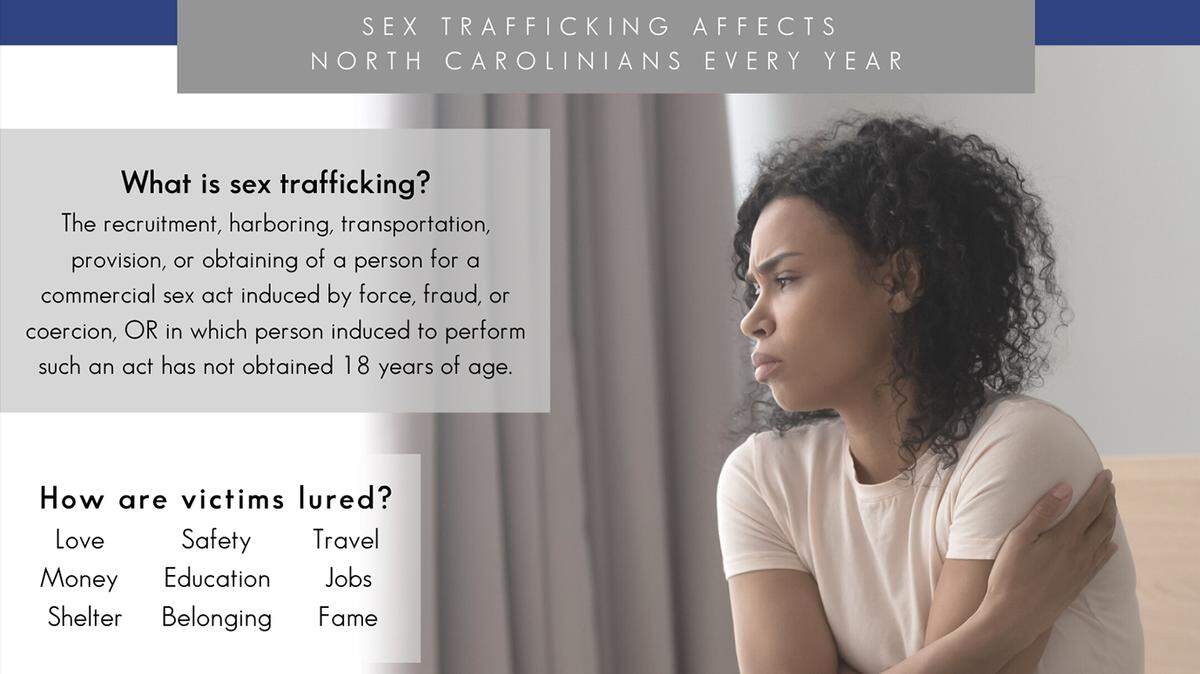
There were over 300 human trafficking cases identified in North Carolina last year by the National Human Trafficking Hotline, an agency that offers resources to victims and tracks cases reported to it. The vast majority of those were sex trafficking cases
In North Carolina and across the country, hotels and motels often become venues for this clandestine industry, along with residential homes and illegal massage operations.
In commercial lodging, lots of foot traffic from unregistered guests and people who appear to be under someone else’s control are signs of trouble, say government regulators and advocates for people trapped in trafficking.
Young people, individuals living in poverty and those with mental or physical disabilities are most at risk of becoming victims, advocates say.
Additional warning signs are detailed in D.H’s lawsuit, and others reviewed by The News & Observer.
Visible injuries, signs of intoxication and young women accompanied by older men who pay for rooms in cash are common flags. Those are some of the signs of the crime that D.H.’s attorneys say the Super 8 motel’s staff should have recognized when she arrived.
Staff witnessed her at the motel with barely any belongings, “always dressed in provocative, age-inappropriate clothing,” and accompanied by an older man, her complaint claims.
More clues: the trafficker would refuse housekeeping services — sometimes for weeks. He would “leave behind trash can(s) full of used condoms, empty bottles of lubricant, and piles of towels and sheets,” the complaint stated.
According to government experts, people who could be traffickers often request housekeeping services but deny staff entry to rooms and book extended stays with few or no personal belongings.
Those at risk of being trafficked often:
- Have no control over their belongings or identification
- Work in an industry where pressure to perform sex acts for money is common. That includes at strip clubs and massage parlors.
- Arrive with a controlling person who limits communication with others and monitors the suspected victim’s finances, movements or communications.
Who’s at risk?
Human trafficking is “a form of modern-day slavery,” according to the National Human Trafficking Hotline — and many are at risk of becoming a victim.
The trade “disproportionately impacts populations such as immigrants, refugees, Black and Indigenous people of color, the LGBTQ+ community, and individuals living in poverty or experiencing abuse and violence,” North Carolina Gov. Josh Stein’s Sex Trafficking Awareness Month proclamation said.
Young people who share their mental health issues, troubled family life and relationship problems online could be more at risk of being trafficked, according to Pam Strickland, the founder of NC Stop Human Trafficking.
“Predators will reach out to them to offer friendship during these particularly vulnerable times,” Strickland told the News and Observer, and added they may even encourage a young person to run away with them.
Indicators for possible child sex trafficking victims are different, according to the North Carolina Department of Administration. They can include:
- Relationships with people who are significantly older than them
- Sudden change in friend groups or interests
- Frequent absences from school
- An advanced sexual knowledge or “uncharacteristic promiscuity”
Strickland said her organization offers training for parents and caregivers on how to talk to children about boundaries, consent and pornography — and tips to keep them safe online. Information on that is available here.
Another training, specifically for children, is focused on “body boundaries and people safety.”
This shadow industry can be active in everyday places. A woman suing a Hampton Inn in Raleigh alleges that she met her trafficker at a convenience store where he started a “romantic relationship with her for the purpose of luring her into trafficking,” according to court documents.
How to report sex trafficking
- Victims or individuals who witness a potential sex trafficking case can report it with the National Human Trafficking Hotline at 1-888-373-7888. Anonymous reports can be made online also.
- The North Carolina Human Trafficking Commission offers more state-focused resources And the University of North Carolina School of Medicine has collected both state and national sex trafficking resources.
This story was originally published July 28, 2025 at 5:00 AM with the headline "Seeing sex trafficking is first step to disrupting it. What are the red flags?."