These 5 insects could bug (and sting) you in NC this summer. How to avoid them
AI-generated summary reviewed by our newsroom.
- Asian needle ants peak in midsummer and can cause serious allergic reactions.
- No-see-ums and Asian tiger mosquitoes thrive in warm, wet environments statewide.
- Prevent stings by eliminating standing water, sealing wood, and using repellents.
Think your summer is all sunshine and sweet tea? Not if North Carolina’s most notorious bugs have anything to say about it.
The state is home to a variety of insects that either bite or sting in the warmer months.
They can cause anything from mild irritation to serious discomfort – and worse.
But there are precautions you can take to avoid painful stings and bites. From simple home maintenance tips to safe insect repellent use, here’s what you need to know about specific bugs and how to protect yourself.
Asian needle ant
Asian needle ants usually emerge when the warms up, which means they’re present almost all year, Chris Hayes, an extension associate of structural pest management at NC State University who specializes in educating the pest management industry on critter habits, previously told The Charlotte Observer.
The ants will reach their annual peak numbers in July and August, USA Today reported.
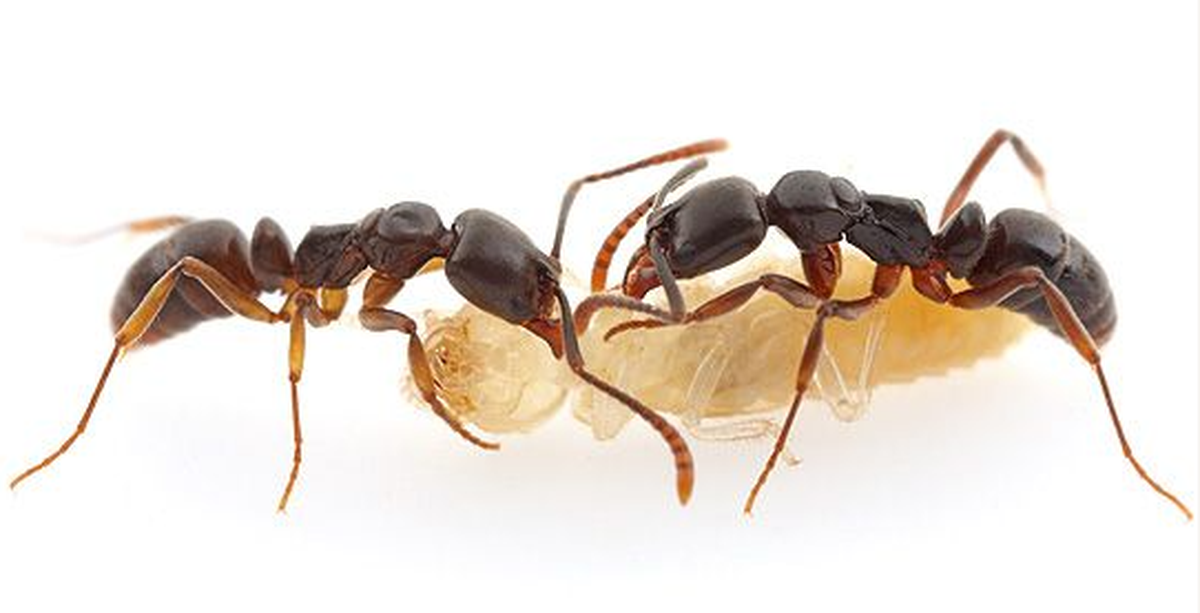
The Asian needle ant is small and black with a long, slender body, Hayes said – and their stings can be deadly.
They can result in a life-threatening allergic reaction called anaphylaxis, according to the U.S. Department of Agriculture. However, allergic reactions only happen in about 2% of all stings, Hayes said.
To avoid Asian needle ant stings, Hayes recommended staying aware outdoors, using protein-based baits, removing wood piles, applying barrier sprays and contacting pest control if needed.
No-see-ums
Like Asian needle ants, no-see-ums typically come out during warm weather, and they generally prefer muddy areas, Hayes said.
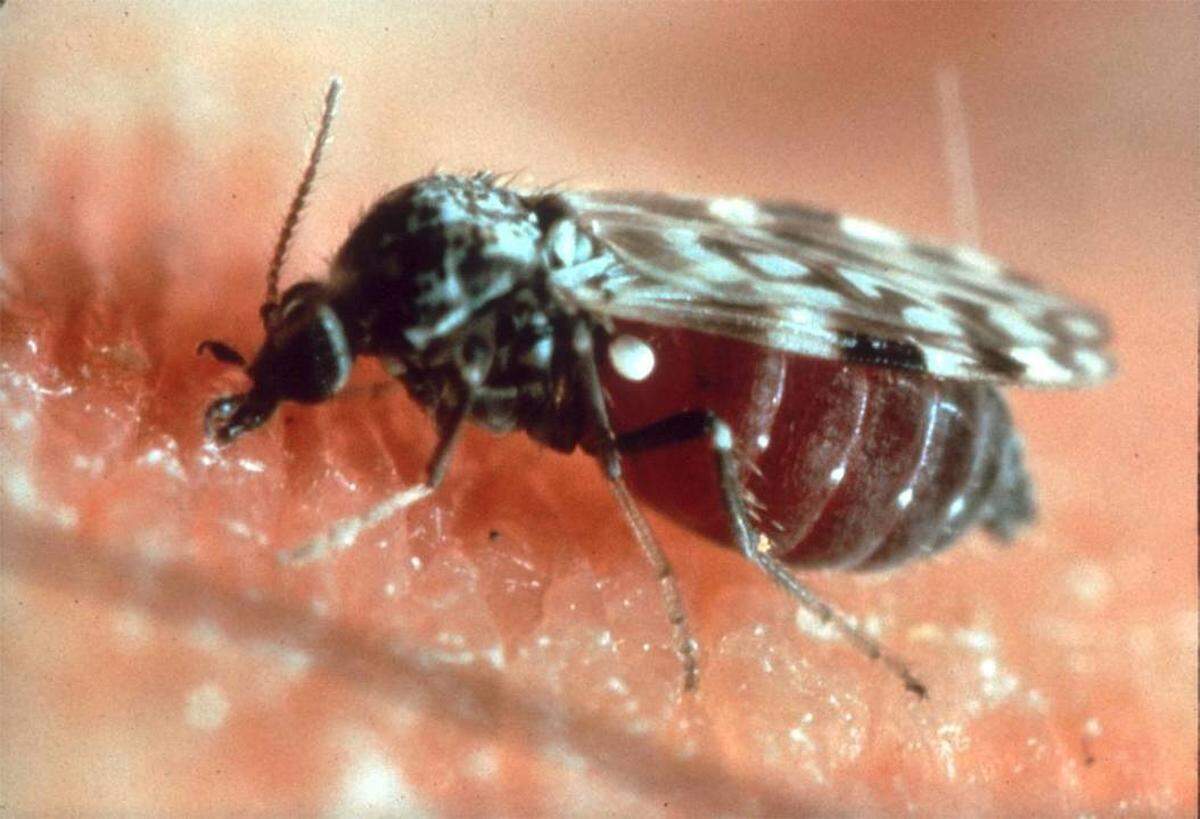
“Basically, they’re akin to a mosquito, like a tiny mosquito, but their mouth looks a little different,” Hayes said. “And in fact, you may not even notice them at all. You may not even see them, hence the name ‘no-see-ums.’ Because you happen to notice them when an adult is typically biting you.”
Unfortunately, no-see-ums are very likely to bite if you’re nearby, which can cause a burning sensation, as well as different reactions in humans, such as small, red welts at the bite site to allergic reactions that can lead to significant itching, according to the Purdue University Extension.
While bites can be annoying, there’s no cause for alarm when they happen, since they don’t transmit disease in North Carolina “that we need to be concerned about,” Hayes said.
To keep no-see-ums away, Hayes recommended checking and treating overwatered planters, drying muddy areas and removing decaying plant matter, as these are common breeding spots.
Insect repellent can be used to prevent bites, but you should apply it regularly (not excessively) and follow the label instructions carefully, Hayes said.
Carpenter bees
Carpenter bees can sting, but when it comes to these bees, you should be more concerned about your deck or porch.
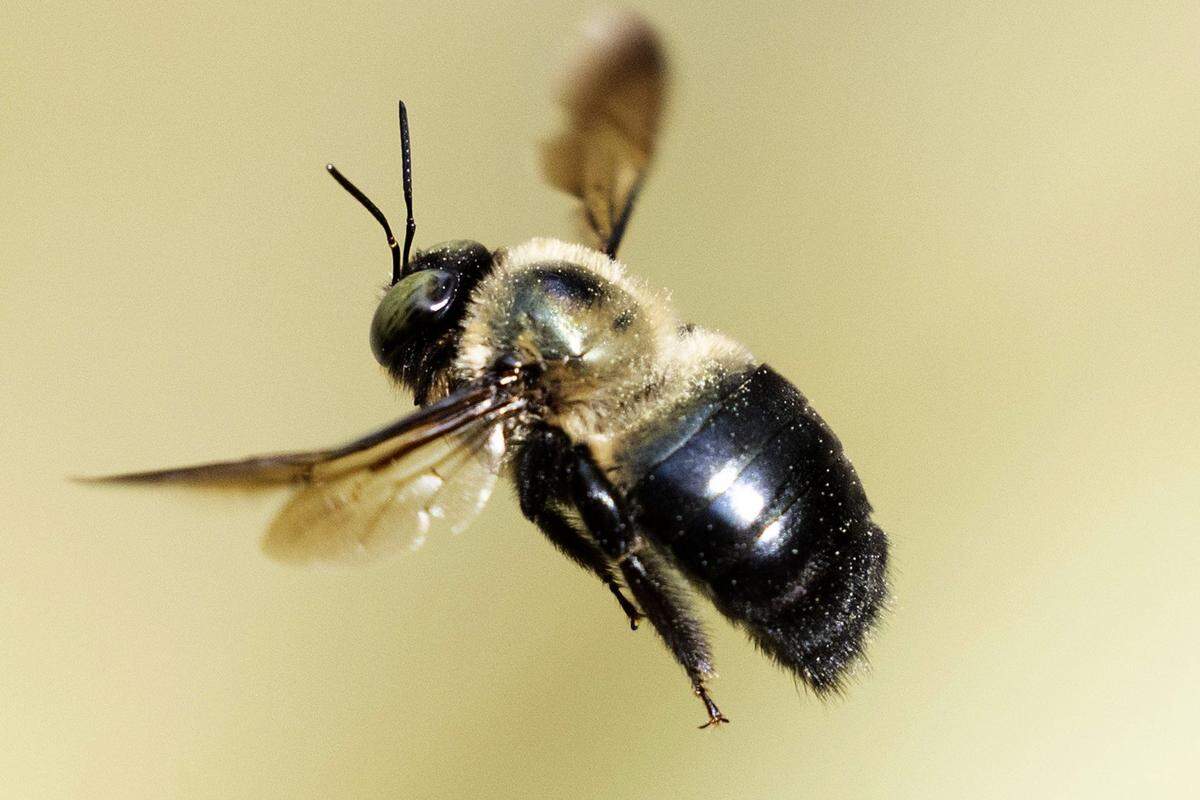
Carpenter bees are large bees with shiny black tails, according to the NC State Extension. They also have powerful jaws that they use to burrow into wood, creating tunnels for their habitat.
Hayes said carpenter bees burrow in wood because it offers protection.
“They love habitats that are safe and secure,” Hayes said. “If there were no houses, they would do it in trees. Wood is the perfect environment for them.”
Female carpenter bees can sting, but it’s rare that you’ll get stung, according to the NC State Extension. They won’t sting unless they’re confined in your hand or become highly agitated.
To keep carpenter bees away, Hayes advised treating outdoor wood with paint or stain and offering alternative nesting sites, like suspended logs.
If they become a problem, pest control , Hayes said but insecticides and traps can help – just be cautious, as disturbed bees are likely to sting.
Asian tiger mosquitoes
Hayes said there are many mosquito species in North Carolina, but the Asian tiger mosquito is one of the most common.
Asian tiger mosquitoes are known as “container breeders,” meaning they thrive in environments like buckets, tires, kids’ toys and anything that can hold water, Hayes said.
Mosquito bites can cause a range of reactions, from mild redness and itching to blisters and bruise-like dark spots, depending on the person’s sensitivity, according to the Centers for Disease Control and Prevention.
Mosquitos are also considered “vectors,” which means they can spread diseases like Zika virus and malaria. But those diseases aren’t common in North Carolina, Hayes said.
One of the most effective ways to control mosquitoes around your home, including Asian tiger mosquitoes, is to eliminate standing water, according to the NC State Extension’s entomology department.
To protect yourself from mosquito bites, the CDC recommends using Environmental Protection agency-approved insect repellents with active ingredients like DEET, picaridin, or oil of lemon eucalyptus, and consider natural options like citronella-based creams.
For home protection, Hayes recommended professional mosquito control services, though store-bought insecticides can help if used with caution and proper safety measures.
Southern flannel moth
The southern flannel moth arrived in spring, but they’re very active during the summer months, Eric LoPresti, an assistant professor of ecology at the University of South Carolina, previously told The Charlotte Observer.
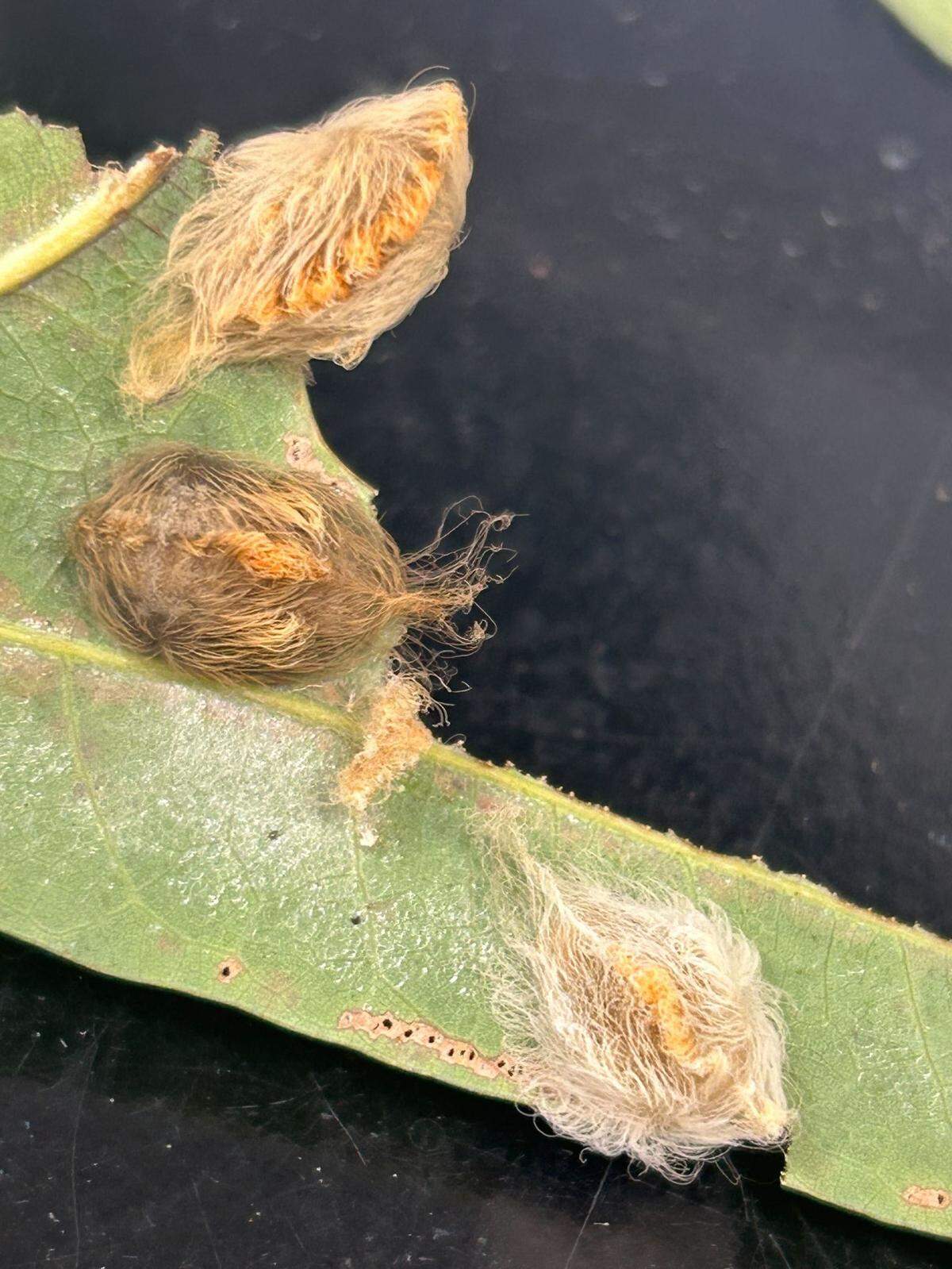
The “fuzzy” and “adorable” insects that resemble toupees generally prefer to hang out in woodead areas, according to LoPresti, – and their stings are highly dangerous.
LoPresti said southern flannel moths sting through venomous hairs that can cause burning, numbness, swelling, and in severe cases, nausea or full-limb inflammation.
However, stings are easily avoided since the caterpillars don’t actively attack and typically only sting when touched or brushed against, LoPresti said, adding that you can protect yourself by wearing long sleeves and pants while outdoors.
“They’re not something you’re going to encounter on a daily basis in a normal year,” LoPresti said. “It’s good for people to know that these exist, but it’s also not something for people to worry about.”
This story was originally published June 23, 2025 at 12:19 PM with the headline "These 5 insects could bug (and sting) you in NC this summer. How to avoid them."