If Trump dismantles FEMA, could the state and non-profits handle NC disaster relief?
President Donald Trump’s recent remarks that he would like to dismantle the Federal Emergency Management Agency when this year’s hurricane season is over has some in North Carolina worried the state couldn’t afford to pay for another major disaster.
“If there is no FEMA for next year’s hurricane season, that’s going to put the state at risk of having disasters that we cannot recover from,” Jon Council of Down Home North Carolina said Tuesday during an online forum held by organizingresilience.org.
Council’s group has been working in Western North Carolina to help victims of Hurricane Helene since remnants of the storm caused landslides and historic flooding in September 2024.
The storm killed at least 107 people in the state and caused nearly $60 billion in damages to homes, businesses and infrastructure across 39 western counties.
Trump told reporters during a White House briefing on June 10, “We want to wean off of FEMA, and we want to bring it down to the state level.”
He later added, “A governor should be able to handle it, and frankly, if they can’t handle it, the aftermath, then maybe they shouldn’t be governor.”
According to a report by CNN, Trump also said the federal government would reduce disaster recovery funding and the money will come directly from the president’s office.
On Wednesday, CNN reported that Homeland Security Secretary Kristi Noem had issued an internal memo saying she would have to personally approve any FEMA contract or grant worth more than $100,000, a process she said would take at least five days.
Atlantic hurricane season started June 1 and runs through Nov. 30. There have been no Atlantic storms so far, but the National Hurricane Center is forecasting 13 to 19 named storms, up to 10 of which could become hurricanes, and up to five of which could be major hurricanes of Category 3 or higher.
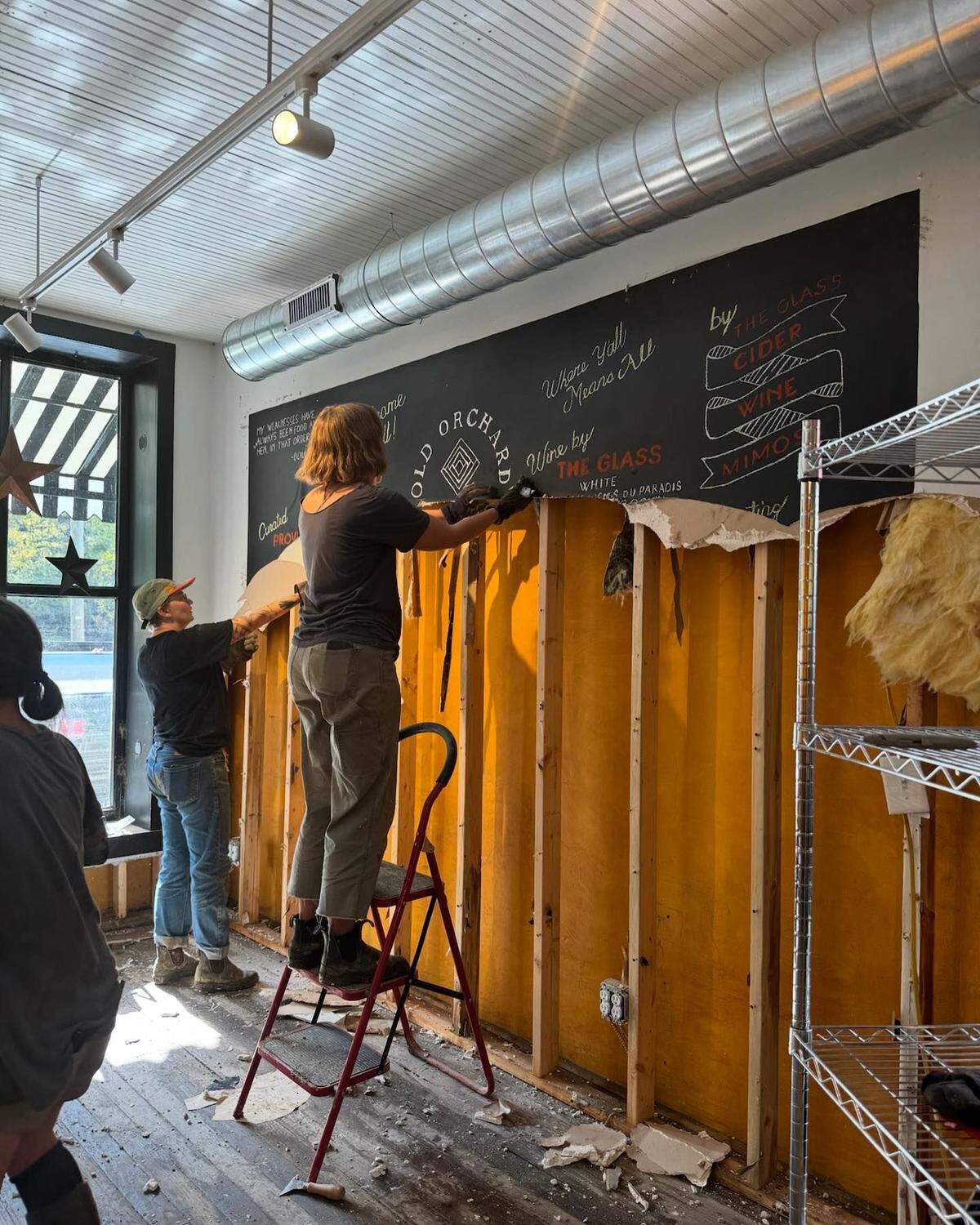
How recovery happens after a natural disaster
In North Carolina, hurricanes are the most common natural disaster and already, relief workers say there isn’t enough money to go around.
Private insurance is the main source of funding used to repair and rebuild after a disaster such as Helene and storms such as Florence, Matthew, Ida, Fred, Hugo, Fran, Bertha and others that have caused widespread damage in North Carolina in recent decades.
FEMA grants and low-interest loans from the federal Small Business Administration are the next-largest source of disaster-relief money.
But many disaster victims have inadequate insurance or none at all, don’t make enough to qualify for SBA loans and won’t receive enough from FEMA to cover the cost of repairs or rebuilding.
For those storm survivors, the work of volunteers, community groups and faith-based relief organizations may be the only way back into safe, secure housing of their own.
If federal relief money is significantly cut or eliminated, it’s not clear the state or non-profit relief groups that operate in North Carolina could make up the shortfall, especially with the National Oceanic and Atmospheric Administration forecasting more frequent and more severe weather as a result of climate change.
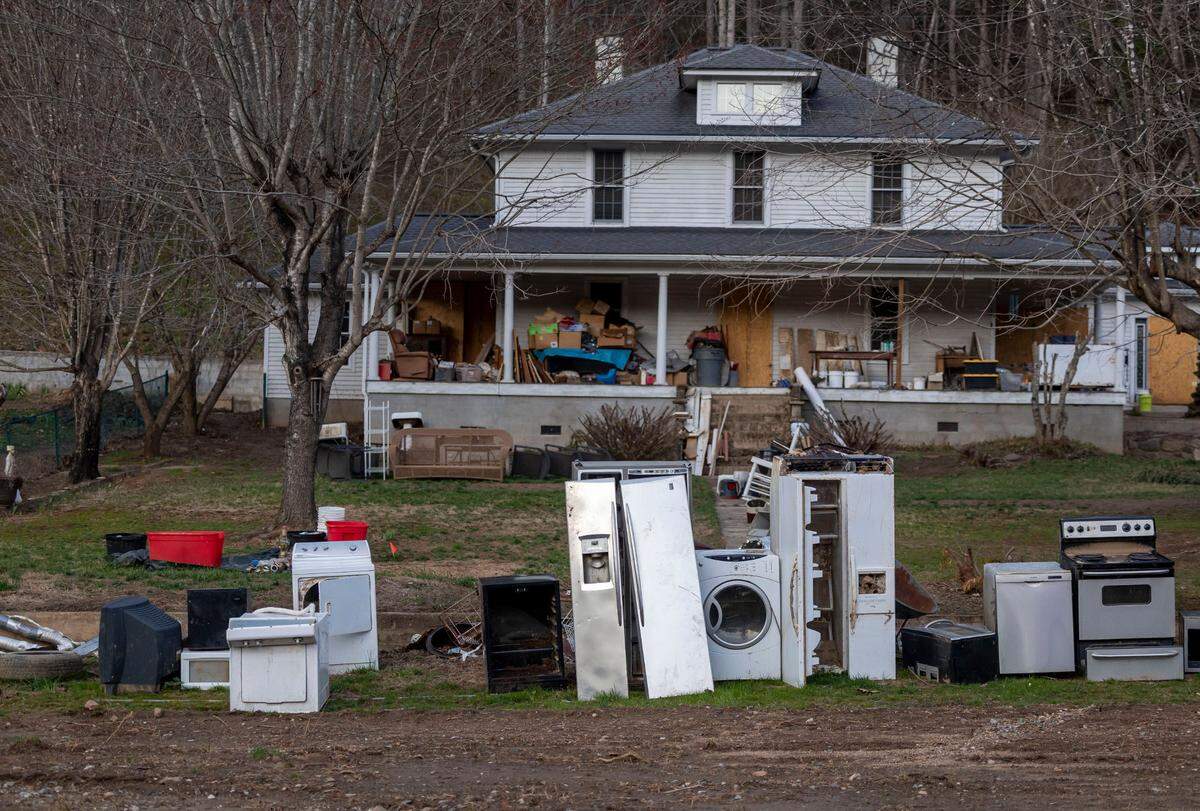
Labor is plentiful; money is harder to come by
Since Helene, international aid group Baptists on Mission, based in Cary, has had more volunteers than it can put to work.
“We have had great numbers of volunteers,” said Richard Brunson, executive director. “We’ve had to turn away people wanting to help,” especially in the early days after the storm.
“But funding is the issue.”
Baptists on Mission has set up six “rebuild centers” to serve the counties hit hardest by Helene. Volunteers bunk and eat in the centers and go out each day to work on rebuilding homes in nearby communities.
So far, Brunson said, the group — one of many working to build housing for Helene victims who can’t pay for the work themselves — has rebuilt about 300 homes, has another 320 under construction and more than 500 on a waiting list.
It’s a different kind of rebuild effort than volunteers have done in Eastern North Carolina, Brunson said. In eastern counties, hurricanes have caused massive flooding, but typically the water rises and then goes down, leaving a structure that was muddy and quickly molded but could be stripped and repaired.
Out west, the volume and speed of the water washed whole houses off their foundations. Others were flattened by landslides. Either way, workers have to rebuild from the ground up.
Volunteers for Baptists on Mission pay their own way and donate their labor. The state has given money to the organization to help pay for building materials for Helene recovery, Brunson said.
If another disaster hits the state and federal funding comes up short, it’s not clear that would continue.
Gov. Josh Stein has said state legislators should prepare for the likelihood of reduced FEMA funding by putting more money into the state’s “rainy-day fund,” or reserve account.
The General Assembly has not passed a final budget.
This story was originally published June 20, 2025 at 7:00 AM with the headline "If Trump dismantles FEMA, could the state and non-profits handle NC disaster relief?."