NC coastal roads flood more often and for longer than current forecasting expects
AI-generated summary reviewed by our newsroom.
- Roadway sensors recorded floods up to five times more often than NOAA forecasts.
- Tide gauges failed to detect inland flooding duration and road-level impacts.
- Researchers urge planners to deploy land-based sensors for coastal flood tracking.
If they’re lucky, people who live closest to the North Carolina coast have two vehicles in the driveway: a good car and a “salty” car.
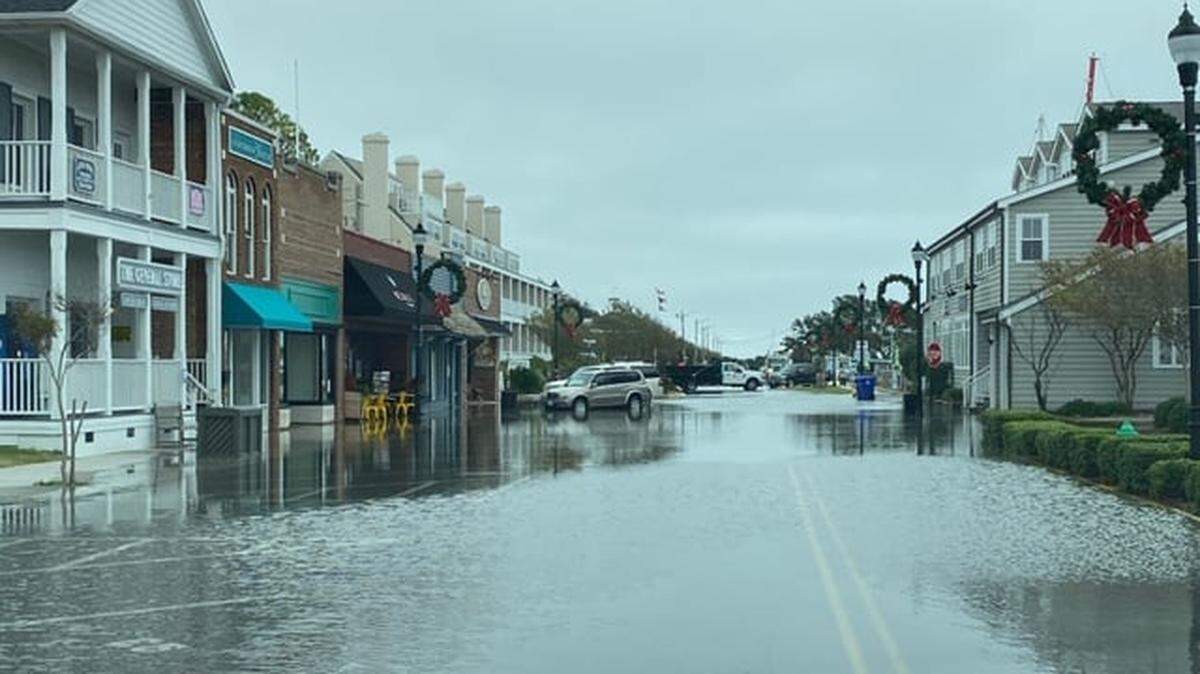
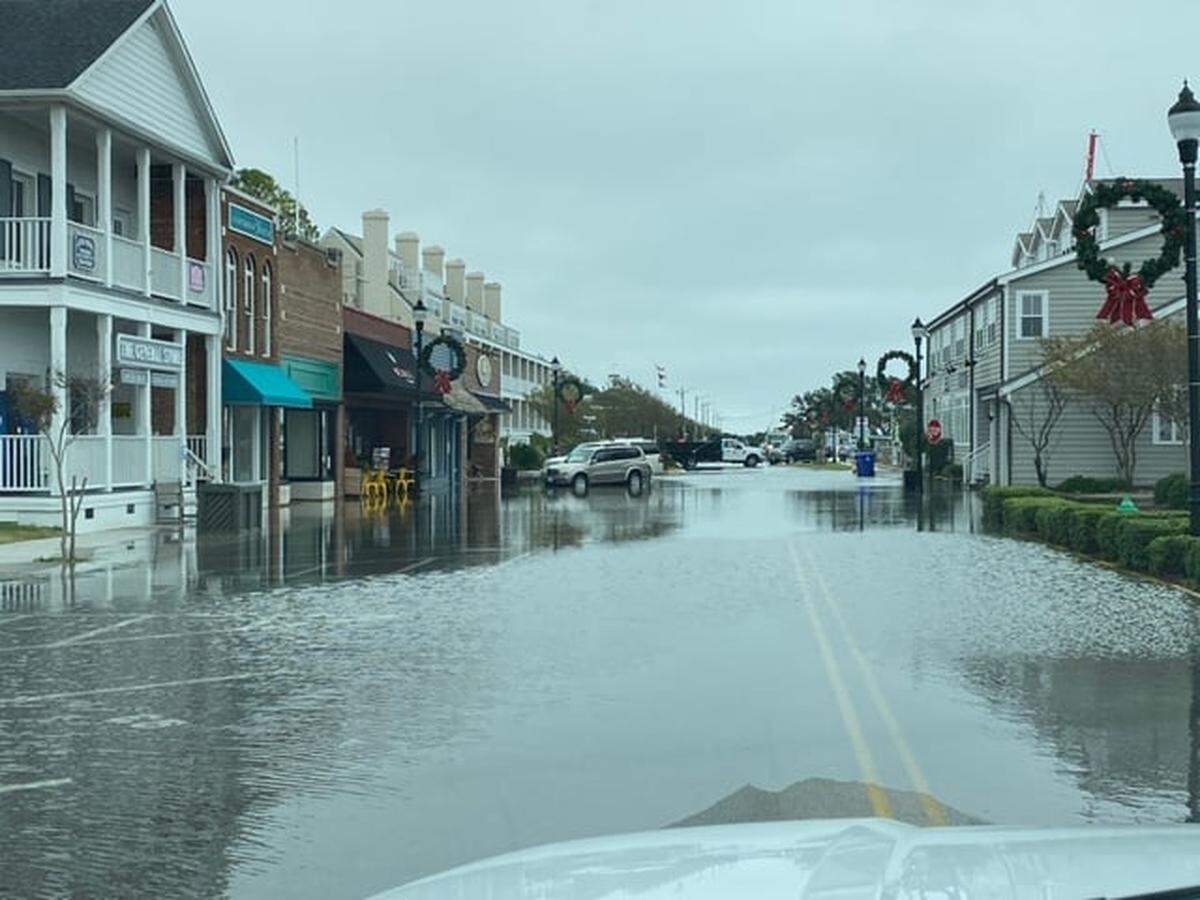
The salty car is the one they use when tides — or wind, rain or storm water runoff — have flooded local roads, meaning they have to drive through saltwater to get where they need to go.
That kind of flooding happens way more frequently — and lasts longer — than tidal data and storm forecasts have long suggested, a pair of North Carolina researchers have found.
“What we were often hearing from residents was, ‘It floods here all the time,’” said Miyuki Hino, assistant professor of city and regional planning at the University of North Carolina and co-author of a study for the Sunny Day Flooding Project.
Hino and her research partner, Katherine Anarde, assistant professor of coastal engineering at N.C. State University, found that the government’s reliance on tidal gauges to forecast and measure coastal flooding far underestimates the frequency and severity of the problem.
That means those who live on or visit the coast can find themselves unexpectedly cut off from the rest of the world not just during hurricanes, but in much milder weather and even under clear skies.
Thanks to sea-level rise, “We’re seeing flooding in coastal areas outside of extreme storms like hurricanes,” Anarde said.
Coastal roads often flood from normal rainfall or none at all, Anarde and Hino found, and they say the problem will likely get worse.
More than a century of measuring ocean tides
Scientists and mathematicians have measured ocean tides and tried to predict them since the 1860s. While the technology has evolved, the process still is based on measuring the rise and fall of ocean water.
The National Oceanic and Atmospheric Administration and the National Weather Service use tidal data from the ocean to issue flood warnings for communities along U.S. coasts.
In North Carolina, those forecasts often include general warnings about low-lying areas but also about specific roads that could become inundated or damaged by flooding, such as N.C. 12 on the Outer Banks.
In their work, Hino and Anarde were hearing from people who live near the coast that many local roads often are impassable because of floodwaters at times when weather forecasts didn’t anticipate it. They set out to answer a practical question for people who have jobs, schoolchildren, medical appointments and a need to buy groceries: How often can people not get from Point A to Point B?
Tide gauges are great on water, useless on land
“The technology on how we measure water levels in the ocean and in bays has been perfected over time,” Anarde said. “Those measurements are very precise. They account for changes in land movement and they are a good record of what’s been happening, including changes in sea level.
“But they are not flood sensors,” she said, and they can’t measure what’s happening on land.
Hino and Anarde designed a research project in which they installed sensors on or next to the roadways in three places they heard there was recurrent flooding: Carolina Beach, Beaufort and Sea Level, a small community east of Beaufort in Carteret County.
They monitored flooding at the sites for a year, also gathering data about wind and rain and noting differences in infrastructure such as storm drains, which can prevent or alleviate flooding in more developed communities but are absent in more rural ones.
The findings: Flooding and forecasts don’t match
During the 12-month study period, Hino and Anarde’s sensors detected flooding on 26 days in Beaufort, 65 days in Carolina Beach and 128 days in Sea Level.
Those findings were far out of sync with flooding forecasts by NOAA’s High Tide Flooding Threshold and the National Weather Service’s Minor Flooding Threshold, both based on seawater measurements from tide gauges.
The researchers found the tide-gauge measurements mostly led to underestimating flooding, though they sometimes overestimated compared to the roadway sensors that measured actual flooding.
The sensors also showed that floodwaters often remained on roads much longer than forecast, sometimes receding after days, not hours.
Putting the information to work
Hino and Anarde will make their work public so more researchers can build the sensors and gather information about flooding in other communities along U.S. coasts.
They’re sharing their findings with the communities where they did the work. They hope local planners and the state and federal governments will use the information to design ways to deal with the flooding that’s already happening and the worse flooding that will come as average global temperatures continue to rise, causing sea levels to go up.
In North Carolina, sea level is expected to rise by as much as 22 inches on the Outer Banks by 2050, according to the Fifth National Climate Assessment.
“We hope that putting numbers to the problem the way we have can raise awareness of this issue,” Anarde said. The next question, she said, is, “How are going to respond to this flooding and make sure people have access to the places they need to go?”
NC Reality Check is an N&O series holding those in power accountable and shining a light on public issues that affect the Triangle or North Carolina. Have a suggestion for a future story? Email realitycheck@newsobserver.com
This story was produced with financial support from the Hartfield Foundation and Green South Foundation, in partnership with Journalism Funding Partners, as part of an independent journalism fellowship program. The N&O maintains full editorial control of the work. If you would like to help support local journalism, please consider signing up for a digital subscription, which you can do here.
This story was originally published June 12, 2025 at 5:15 AM with the headline "NC coastal roads flood more often and for longer than current forecasting expects."