Mosquito season has begun in NC. Here’s how you can keep the pests away from your home
Warmer weather in North Carolina means critters are becoming more active. Unfortunately, that includes mosquitoes.
More than 200 types of mosquitoes live in the U.S., and some can spread germs that can make you sick, according to the Centers for Disease Control and Prevention. (West Nile Virus is one of the most common mosquito-borne diseases in the country.)
Aside from being germ carriers, mosquitoes are a nuisance and a common source of itchy, swollen bites during our state’s warm months.
Mosquitoes can appear as early as February in North Carolina, but they generally become active when spring starts, Chris Hayes, a postdoctoral scholar at N.C. State University who specializes educating the pest management industry on critter habits, told The Charlotte Observer.
That time is now.
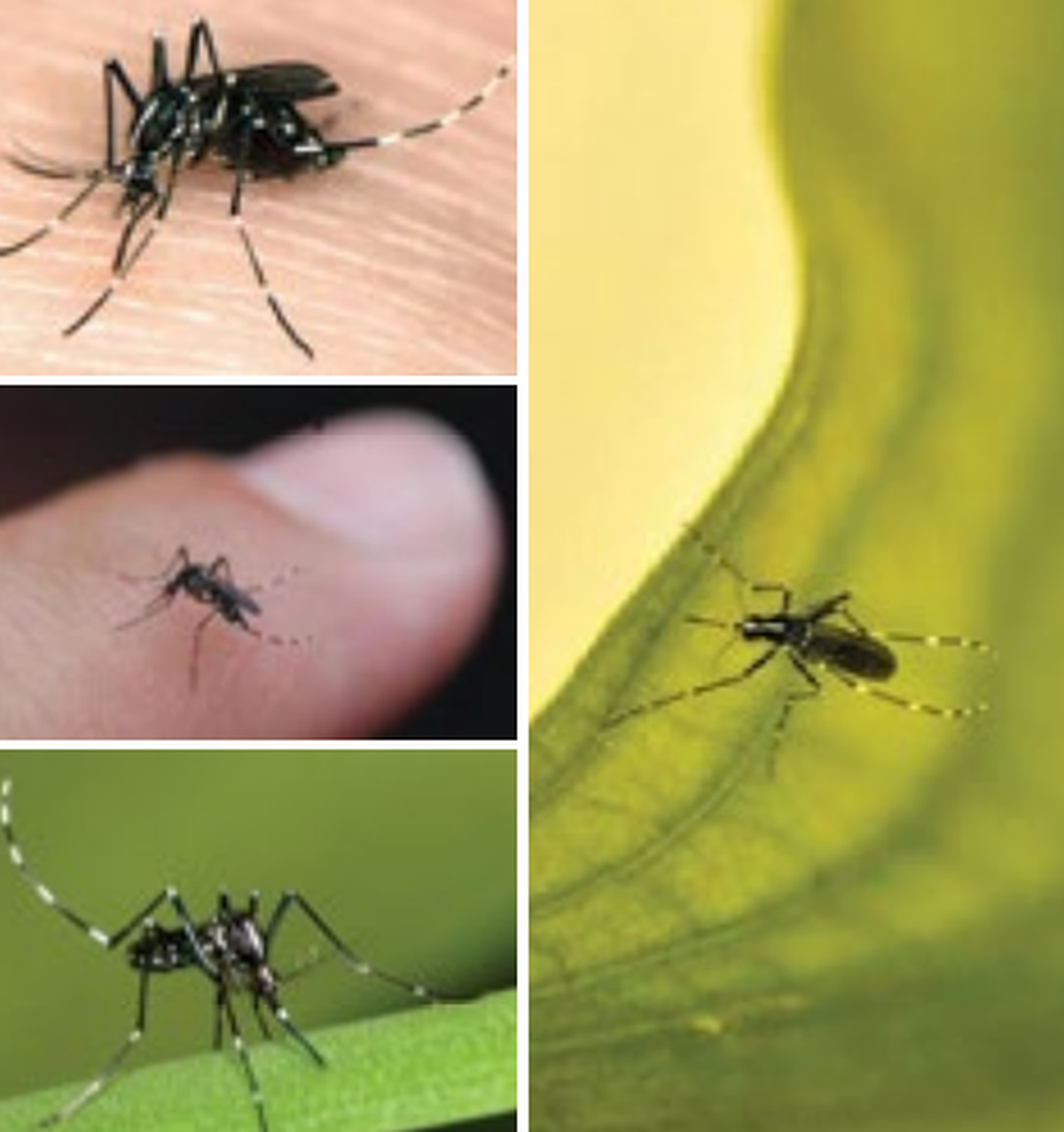
There are “tons” of mosquito species in the state, but one of the most common types of mosquito species is the Asian tiger mosquito, which is a “tiny black mosquito with white stripes,” Hayes said.
Here’s what you need to know about the Asian tiger mosquito.
Where do mosquitoes live in NC?
Asian tiger mosquitoes are known as “container breeders,” meaning they thrive in environments like buckets, tires, kids’ toys and anything that can hold water, Hayes said.
One of the best ways to control mosquito populations around homes, including the Asian tiger mosquito, is to follow the “tip and toss” method, NC State Extension’s entomology department says, to get rid of standing water.
“The idea is to disrupt and (preferably) to eliminate the many breeding sites that often exist around our homes and are quite likely the result of our own activities (or inactivity),” a blogpost says.
NC State says standing water can often be found in:
- Bird baths
- Cans and other containers
- Plastic tarps and coverings
- Swimming pools
- Gutters
- Rain barrels
- Downspout drain pipes
- Trash cans
- Tires
- Drainage ditches
- Tree holes
- Outdoor flower pots
Are some people more prone to mosquito bites than others?
No, it’s a common misconception that mosquitoes tend to bite some people more than others, Hayes said.
“There are some people maybe who smell different to them,” said Hayes. “But really what it boils down to is an allergic response.”
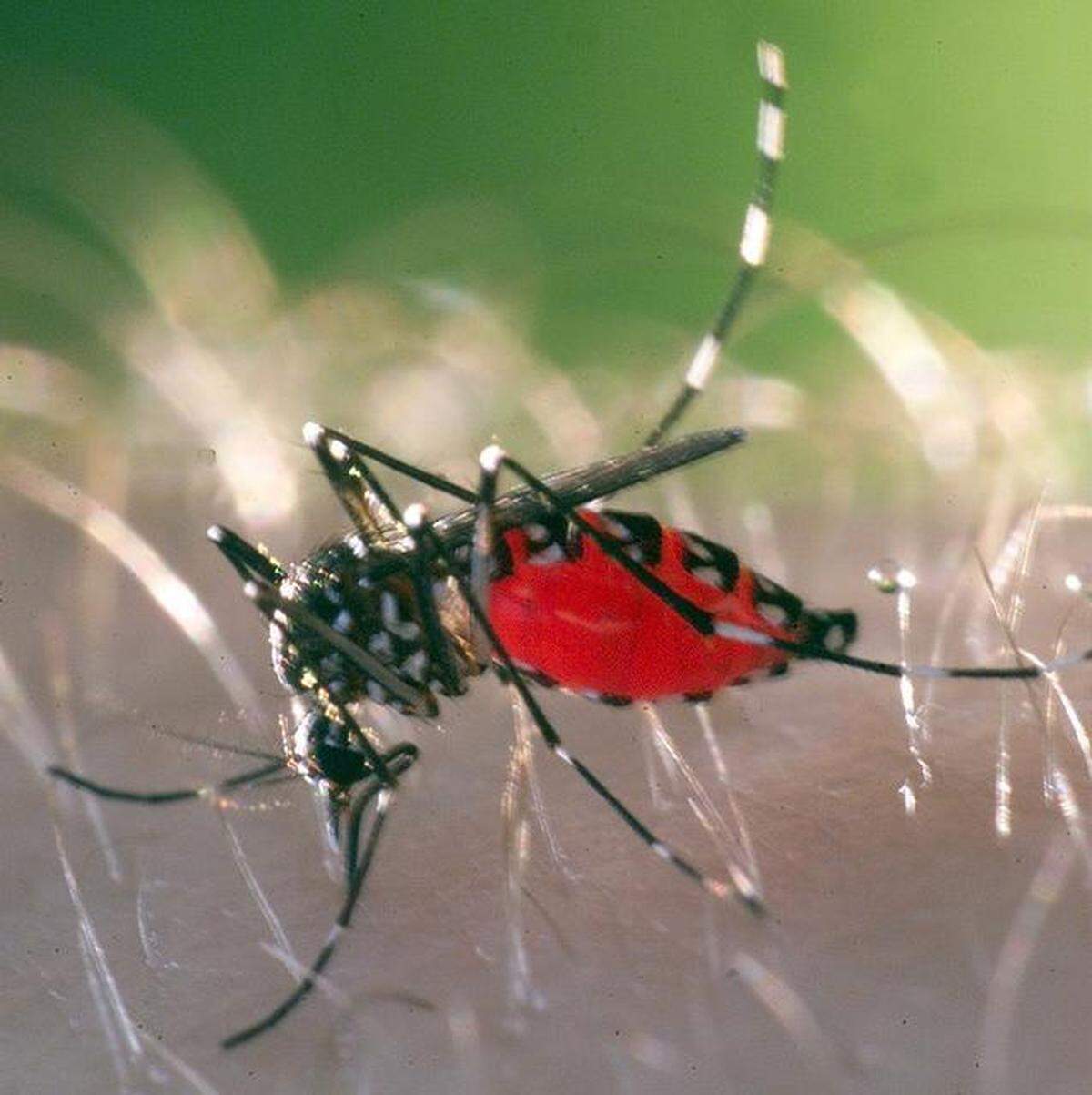
Hayes explained that the typical reaction to mosquito bites, such as itching and swelling, are allergic reactions to proteins in the mosquito’s saliva — and that some people experience those reactions more than others.
What are the symptoms of a mosquito bite?
Some people may have a mild reaction to bites, while others can experience more severe symptoms, the CDC says.
According to the CDC, mosquito bite symptoms include:
A puffy and reddish bump develops on the skin a few minutes after the bite.
A hard, itchy, reddish-brown bump appears a day after a bite.
Small blisters on the skin.
Dark spots that look like bruises.
Are mosquito bites dangerous?
Mosquito bites are generally harmless, but they can become dangerous when mosquitoes are carrying diseases, Hayes said.
“They’re the deadliest animal in the world,” Hayes said, adding that mosquitoes are considered “vectors,” meaning they can spread diseases like Zika virus and malaria. “When a mosquito lands on you, you don’t know if it’s carrying a virus or not.”
According to the World Health Organization, an estimated 700,000 people die annually from vector-borne diseases.
Luckily, those diseases aren’t common in North Carolina, Hayes said.
There have not been any cases of Zika reported in the U.S. since 2019, according to the CDC.
At least five cases of malaria were identified in Florida and Texas in 2023, but those were the first cases of locally-acquired malaria found in the U.S. in two decades, CDC data show.
How to protect yourself from mosquito bites
You can use insect repellents that include picaridin, a synthetic repellent that targets insects, to protect yourself from mosquito bites, Hayes said.
The CDC recommends the use of Environmental Protection Agency-approved insect repellents to deter mosquitoes, with at least one of these active ingredients:
DEET
Picaridin
IR3535
Oil of lemon eucalyptus
Para-menthol-diol
2-undecanone
Natural products, such as essential oil-based creams that include lemongrass or citronella, can also help deter mosquitoes, Hayes said.
How to keep mosquitoes away from your home
Hayes said the best way to protect yourself and your home from mosquitoes is to enlist the help of a pest control professional, since they have access mosquito control services that the public doesn’t.
He also pointed out that store-bought insecticides can be effective against mosquitoes, but he cautioned homeowners about using them.
“Be very careful when applying insecticides by yourself,” Hayes said. “The general public is not always educated on safety measures when using them.”
Hayes urged homeowners to wear protective clothing while applying insecticides, and keep kids and pets away from areas that have been treated with them.
“If you get insecticides on anything, make sure you clean it or throw it away,” he said.
This story was originally published March 26, 2025 at 8:00 AM with the headline "Mosquito season has begun in NC. Here’s how you can keep the pests away from your home."