Crime victims have rights in North Carolina. Here’s what you should know.
More than five years ago, a voter-approved constitutional amendment increased and expanded the rights of crime victims across the state of North Carolina.
Many prosecutors opposed the change before the vote, saying they already aspired to best practices outlined in an existing law. They voiced concern about escalating costs and giving emotional victims of crimes too much say in what is supposed to be a process driven by evidence.
Victims’ advocates, such as leaders of North Carolina Victim Assistance Network, embraced it. Change was needed to address shortcomings of the state criminal justice system that can focus on defendants’ rights more than the rights of some 400,000 people who are victims are reported crimes here each year, they said.
“There is so much about our system that talks about people who are charged with crimes, and that, quite frankly, treats the interests of victims as an afterthought,” Mecklenburg County District Attorney Spencer Merriweather said.
Now, some prosecutors say that communication with crime victims during the court process has improved and they observe fewer hurtful surprises.
So what are victims of crimes from misdemeanor stalking to felony murder entitled to in North Carolina? And what can they do if they feel their rights were violated?
Here are some fundamentals, according to the North Carolina Victim Assistance Network.
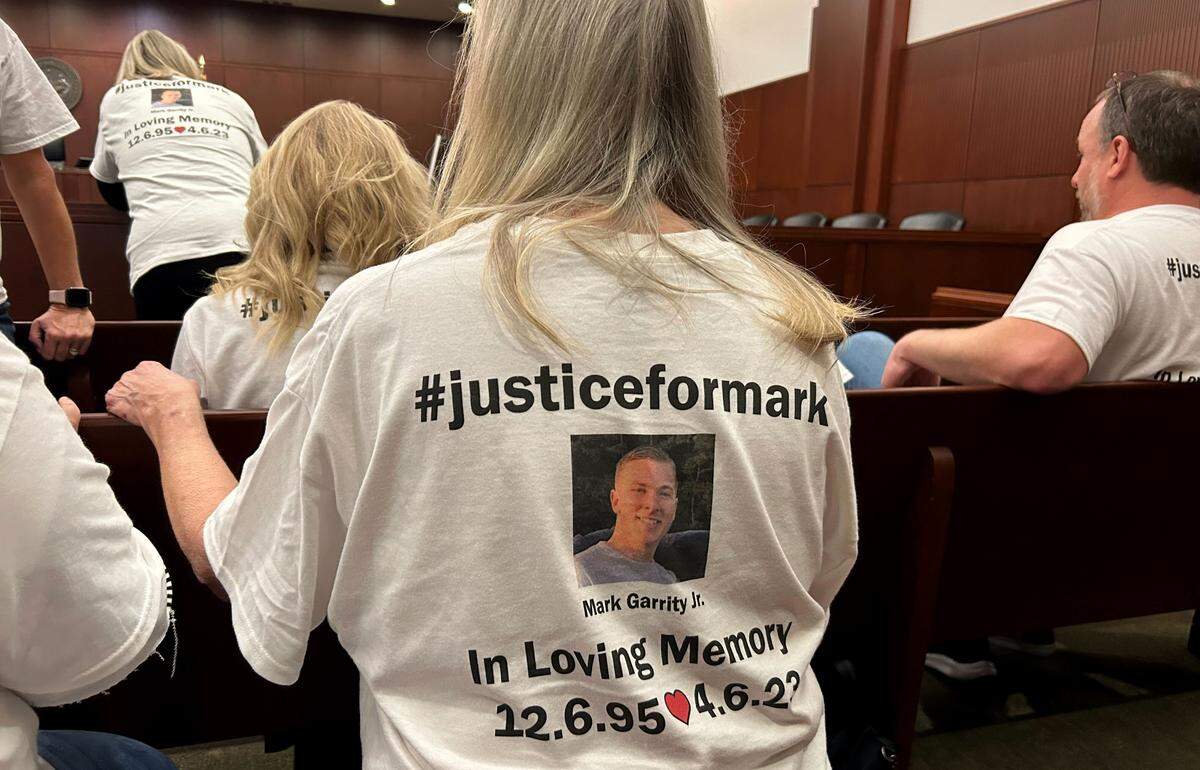
What help are crime victims entitled to?
Who is designated a crime victim?
Under the Crime Victims’ Rights Act, the category of victim includes the actual victim of the crime, family members or the person legally responsible for a crime victim who died as the result of a crime.
What crimes apply?
Felony crimes against a person, felony property crimes and serious misdemeanors if cases include a verbal threat or stalking.
What must law enforcement do?
Within 72 hours, the act requires a police agency to provide information about:
- Crime victims’ potential compensation funds.
- Address and phone number of the district attorney’s office that will be responsible for prosecuting the case.
- Who to contact if a victim isn’t notified of an arrest within six months of a reported crime. Information about a defendant’s pretrial release.
- Who to call if a victim learns a defendant was released from jail.
- Victims’ rights outlined in the Crime Victims’ Rights Act.
After an arrest, law enforcement should notify the victim within 72 hours and forward information to them about the prosecutors’ office. And give victims a form to indicate whether they want to be notified about the case.
What about court officials?
At any court proceeding the judge or other court officials should:
- Ask if victims are present and wish to be heard.
- Make an effort to place victims in secure waiting areas away from defendants and their families.
- Understand that victims have the right to be “reasonably heard” through spoken or written statements.
Prosecutors are expected to:
- Provide the name and telephone number of the witness assistant in the district attorney’s office.
- Offer victims the opportunity “to confer” with prosecutors about the case and to provide an impact statement.
- Inform victims about potential compensation and related deadlines.
- Offer guidance if victims are threatened or intimidated by the accused.
A legal avenue for dissatisfied victims
One of the significant changes of the upgraded victims’ rights act is a legal path for victims when they conclude that prosecutors violated their rights.
The process starts with victims sending a letter to the district attorney’s office about their concerns. If unsatisfied, they can ask a judge to enforce their constitutional rights.
Such hearings are rare, according to interviews with district attorneys and victims’ rights advocates. None have been held in Mecklenburg, Wake, Orange, Chatham and Vance counties, district attorneys there said in interviews.
Two were held in Durham in November, though in both cases people who went through the process said they didn’t achieve all they were hoping for.
In one case, a woman who asked that she not be named since she is a victim of crime, said she called police after a man she had dated assaulted her by strangling her. The man was arrested in February 2024.
The woman wanted the prosecutor to take her victim impact statement, review her presented evidence and keep her better informed about the future of the case. But that did not happen.
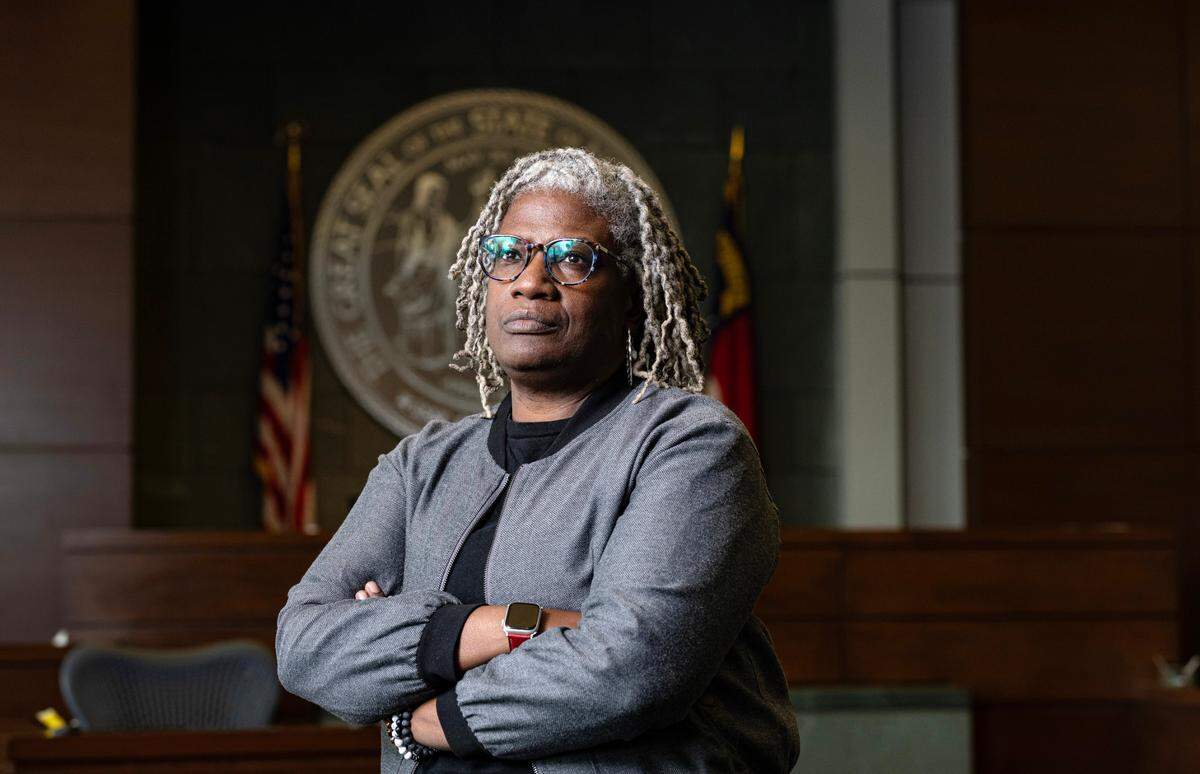
Durham District Attorney Satana Deberry during the November victims’ rights hearing said the case was dismissed with the understanding that prosecutors may seek a felony indictment. But no additional charges have been filed against the man.
The judge ordered Deberry to comply with the victims’ rights act by providing the woman in the assault case information about victims’ services and taking her impact statement. The woman rode an elevator to the District Attorney’s Office on the eighth floor, where she was handed a brochure on victims’ rights and compensation information, she said. Her victim’s impact statements hasn’t been taken since the hearing, the woman said.
In the second case in Durham, a couple said they paid an attorney thousands of dollars to represent them in a victims’ rights hearing. They were frustrated after they called police on a neighbor who they accused of harassing them. The woman was charged in January 2024 with second-degree trespassing, injury to personal property, simple assault and stalking.
After a Durham assistant district attorney dismissed four misdemeanor charges in May 2024 without warning, the couple wanted a judge to require the prosecutor to apologize to them and reinstate the charges.
Deberry argued in that hearing that once criminal charges were erased to the general public, the case was over and neither she nor the courts could discuss it, including in cases where victims claimed their rights were violated.
Carol Jones, a visiting district court judge from Duplin County, disagreed and allowed the victims’ rights hearings to move forward.
Deberry also argued that the law says prosecutors should contact victims about hearings, but not dismissals. In those cases, prosecutors need to inform victims within 30 days after the case is dismissed, Deberry argued. The judge agreed. Since the couple was informed within that time, prosecutors didn’t violate the act, Jones ruled.
The couple said notifying people 60 days after a charge is dismissed is problematic because an alleged perpetrator could be set free without a victim knowing it.
“The person charged has around 30 days to either approach the victims or contact them without any protections,” said Bahjat Marayati, one of the people who obtained the hearing. In some cases, the person could have the charges dismissed and expunged before a victim even knows.
Virginia Bridges covers criminal justice in the Triangle and across North Carolina for The News & Observer. Her work is produced with financial support from the nonprofit The Just Trust. The N&O maintains full editorial control of its journalism.
This story was originally published April 17, 2025 at 5:30 AM with the headline "Crime victims have rights in North Carolina. Here’s what you should know.."