Bird flu is in NC. Are you at risk of catching it? What to know about causes & symptoms
An ongoing bird flu outbreak has now reached North Carolina, after a dead bird was found contaminated with the virus in the Triangle.
A great horned owl found dead in Cary earlier this month tested positive for bird flu, making it the first case of highly pathogenic avian influenza in a wild animal in Wake County since 2023, The News & Observer reported.
There have been 339 cases reported in North Carolina since Jan. 1, 2022, The N&O reported.
In the U.S., there have been 70 reported cases of bird flu in humans since 2024, but none in North Carolina and no known person-to-person spread of the virus, according to the Centers for Disease Control and Prevention. One person reportedly died in Louisiana.
Are you at risk of contracting bird flu? The Charlotte Observer spoke with Dr. Cameron Wolfe, an infectious disease specialist at Duke Health, to find out.
Can humans get bird flu?
Yes. Bird flu is “like any influenza,” Wolfe said, meaning it’s transmitted through water droplets or by coming into direct contact with the virus.
“Those droplets can either pass on our hands or be breathed directly into our airway, and once in our mouths or nasal passage or throat, then the virus can replicate quite well down there and set up camp in the new host,” Wolfe explained. “Typically it requires either droplet transmission or you to touch an infected animal.”
Wolfe said this method of transmission makes it difficult for the average person to contract bird flu, since most people don’t come into contact with sick or dead animals regularly, and the virus does not allow to person-to-person transmission.
“You have to be in close contact with another individual or animal that’s sick,” Wolfe said. “All of the cases of human infection so far have almost always been associated with people who’d had direct contact with, picked up or looked after some infected bird or animal.”
Bird flu symptoms in humans
Bird flu symptoms, similar to human influenza, range from mild (such as conjunctivitis (pink eye) and sore throat) to more severe symptoms (like pneumonia), Wolfe said, adding that most people experience mild side effects.
“There’s been a small number of people who got quickly unwell, and they don’t have a past history or reason why that was the case,” said Wolfe. “Most people have been pretty well.”
The CDC says other symptoms of bird flu in humans include:
Mild fever
Cough
Runny or stuff nose
Muscle or body aches
Headaches
Fatigue
Symptoms usually begin three days after exposure and usually last under two weeks, according to the CDC.
How is bird flu diagnosed?
Since bird flu symptoms are similar to that of the human strain of the virus, physicians take steps to diagnose bird flu based on who they’re treating, Wolfe said.
For example, someone who works on a chicken farm would have a higher chance of contracting bird flu than someone who works in an urban setting, Wolfe said, adding that nasal swabs can be sent to state labs for additional testing for bird flu.
If it’s caught early, bird flu can be treated with antiviral medications, according to Cleveland Clinic.
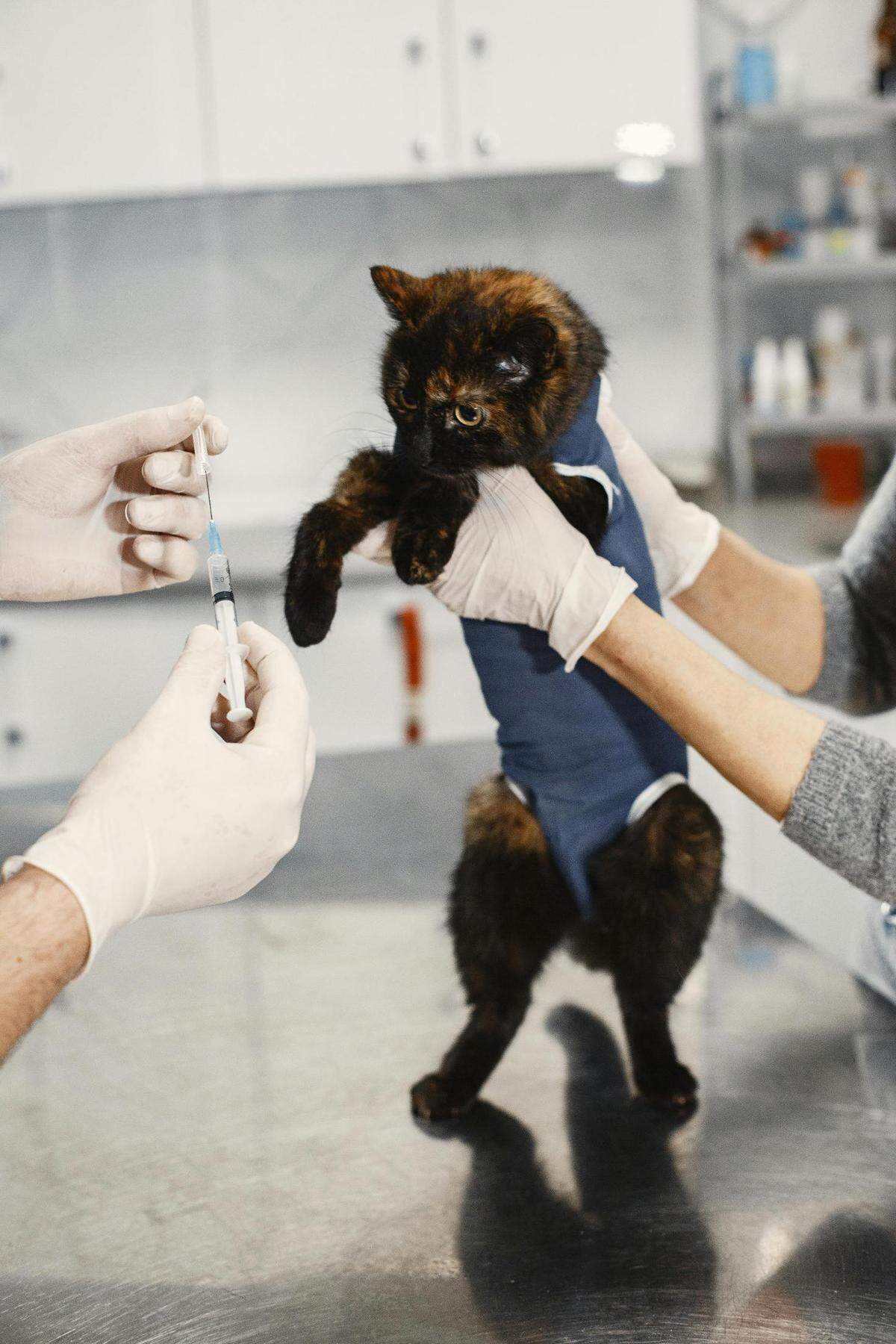
Can pets get bird flu?
Yes, bird flu has affected some cat populations, Wolfe said.
Cats can bird flu from drinking unpasteurized milk and eating raw or undercooked meat, The N&O previously reported.
A recent study also revealed that humans may be able to pass bird flu to cats through direct contact with the virus or contaminated clothing, Prevention.com reported.
According to the American Veterinary Medical Association, symptoms of bird flu in cats include:
Neurologic signs (tremors, seizures, or blindness)
Severe depression
Heavy discharge from the nose and eyes
Other respiratory signs, such as rapid or difficulty breathing, and possibly sneezing or coughing
If your cat is showing symptoms, you should call your veterinarian immediately and keep your cat away from other animals and immunocompromised people, according to the AVMA.
How to avoid catching bird flu
Cleveland Clinic offers the following ways to reduce your risk of contracting bird flu:
Wear protective clothing, such as gloves, a mask and goggles, when working with birds, wild animals and livestock.
Wash your hands frequently when handling birds, wild animals and livestock or after being in areas where they live.
Don’t work with animals who are sick or who’ve been exposed to bird flu.
Take your shoes off before entering your home if you’ve been in areas where birds like waterfowl or chickens live. This reduces the risk of spreading bird droppings around your house.
Don’t touch or drink unpasteurized milk.
Get a seasonal flu shot. This won’t directly protect you from bird flu, but it can reduce your risk of serious illness and of getting both bird flu and seasonal influenza at the same time.
This story was originally published February 26, 2025 at 10:54 AM with the headline "Bird flu is in NC. Are you at risk of catching it? What to know about causes & symptoms."