Learn more about North Carolina’s rich Black history through these 10 iconic landmarks
Black History Month is almost here, and North Carolina has a wealth of history that highlights the achievements of the African community.
From the site of Durham’s Black Wall Street, where Black-owned businesses thrived, to the site of the state’s oldest surviving African Church, built more than 160 years ago, there’s no shortage of landmarks in North Carolina that celebrate the contributions of Black Americans.
Here are 10 landmarks to visit in the Tarheel State during Black History Month.
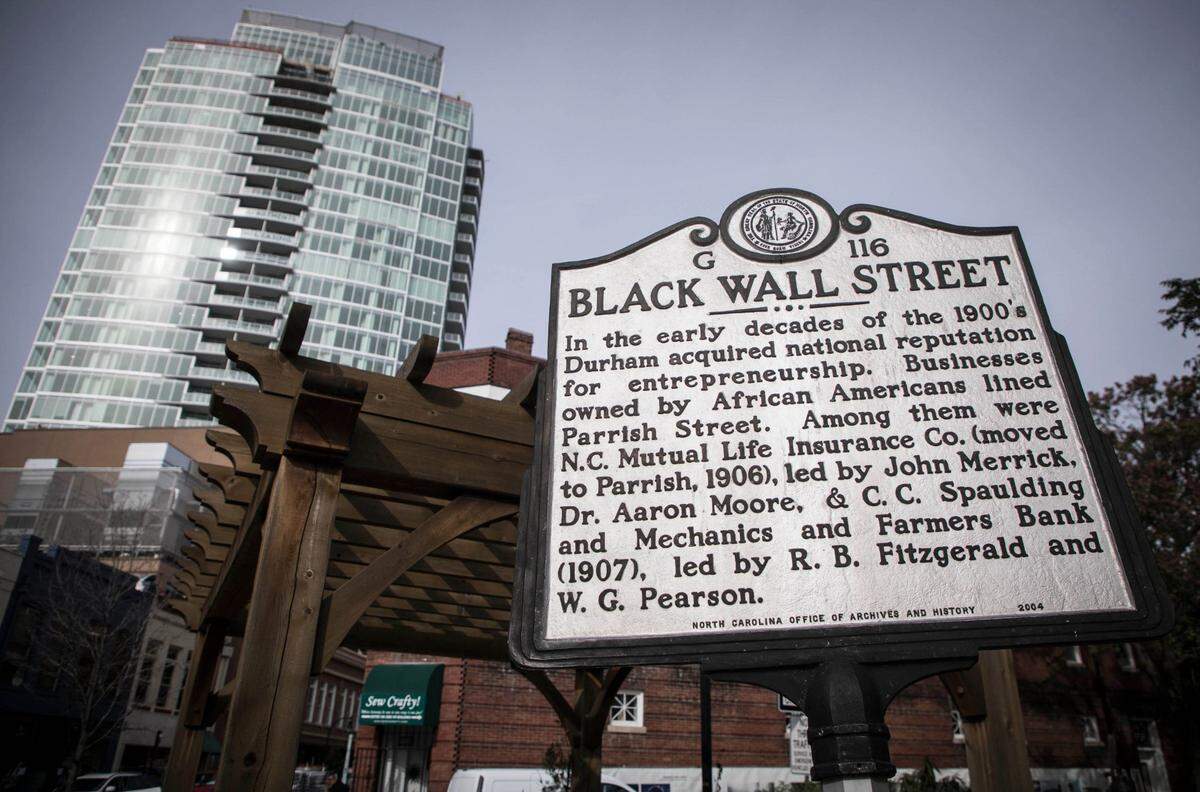
Black Wall Street/Historic Parrish Street
Location: 106 W. Parrish St., Durham, NC 27701
Cost: Free
Black Wall Street is a four-block area in downtown Durham known for the prosperity of Black-owned businesses, including North Carolina Mutual Life Insurance Co. and Mechanics and Farmers Bank in the 1800s and early 1900s. Find the six historic markers along Parrish Street honoring the memory of the people and places, stop by local businesses and enjoy the artwork highlighting the legacy of the city’s African American business community.
Harriet Jacobs Trail
Location: Historic Edenton Visitor Center, 108 N. Broad St., Edenton, NC 27932
Cost: $2.50 per adult, $1.50 per child.
Edenton native Harriet Jacobs escaped slavery and wrote “Incidents in the Life of a Slave Girl,” one of the first narratives about the struggle for freedom by female slaves in the South. You can pick up a brochure and take a self-guided walking tour of her life in Edenton or make a reservation for a guided tour.
The Harvey B. Gantt Center for African-American Arts + Culture
Location: 551 S. Tryon St., Charlotte, NC 28202
Cost: $9 for adults, $7 for kids aged 6-17, college students, teachers, military and seniors. Free admission for kids 5 and under.
Learn about Black history through hands-on art experiences at Afro Legacy Fest or check out the museum’s newest exhibitions from internationally renowned artists. You can also schedule a tour of the museum for groups of 10 or more.
.jpg "Courtesy of Harvey B. Gantt Center for African-American Arts + Culture(4).jpg")
The International Civil Rights Center & Museum
Location: 134 S. Elm St., Greensboro, NC 27401
Cost: $15-$20. Buy tickets online.
The museum, recently designated as a National Historic Landmark by the National Park Service, was the site of historical sit-ins by the Greensboro Four, an effort during the Civil Rights Movement that sparked similar sit-ins around North Carolina. It includes the restored, original lunch counter, along with 35,000 square feet of exhibit space with original artifacts, interactive exhibits, and powerful narratives.
Levine Museum of the New South
Location: 401 S. Tryon St., Charlotte, NC 28202
Cost: Free, but there’s a $25 fee for groups of 10 or more.
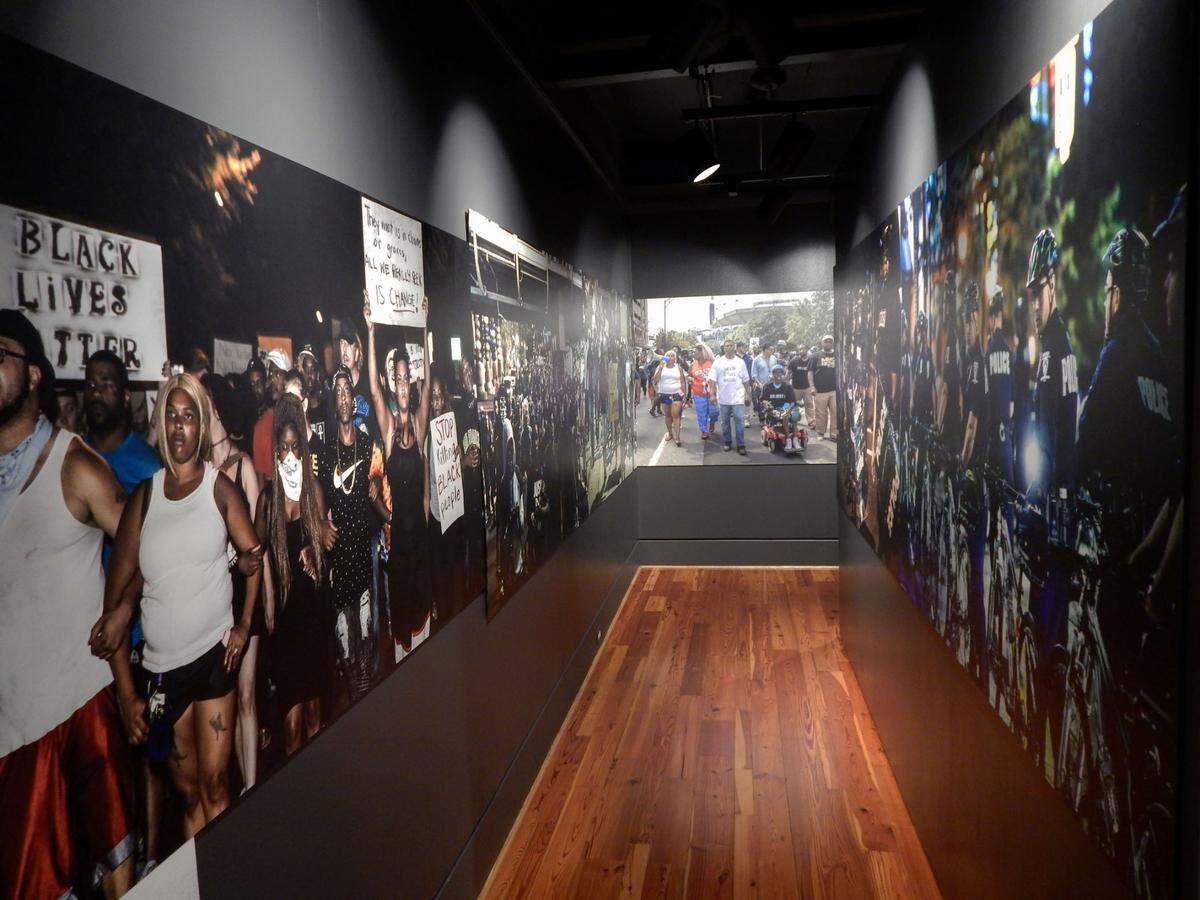
You can visit the current exhibition, “Charlotte: Moving Forward, Looking Back,” which tells the story of Charlotte from Native and early European settlement to today. You can also schedule a group tour.
Mordecai Historic Park
Location: 1101 Wake Forest Rd, Raleigh, NC 27604
Cost: $7 for adults, $4 for seniors and youth. Children 6 and under are free.
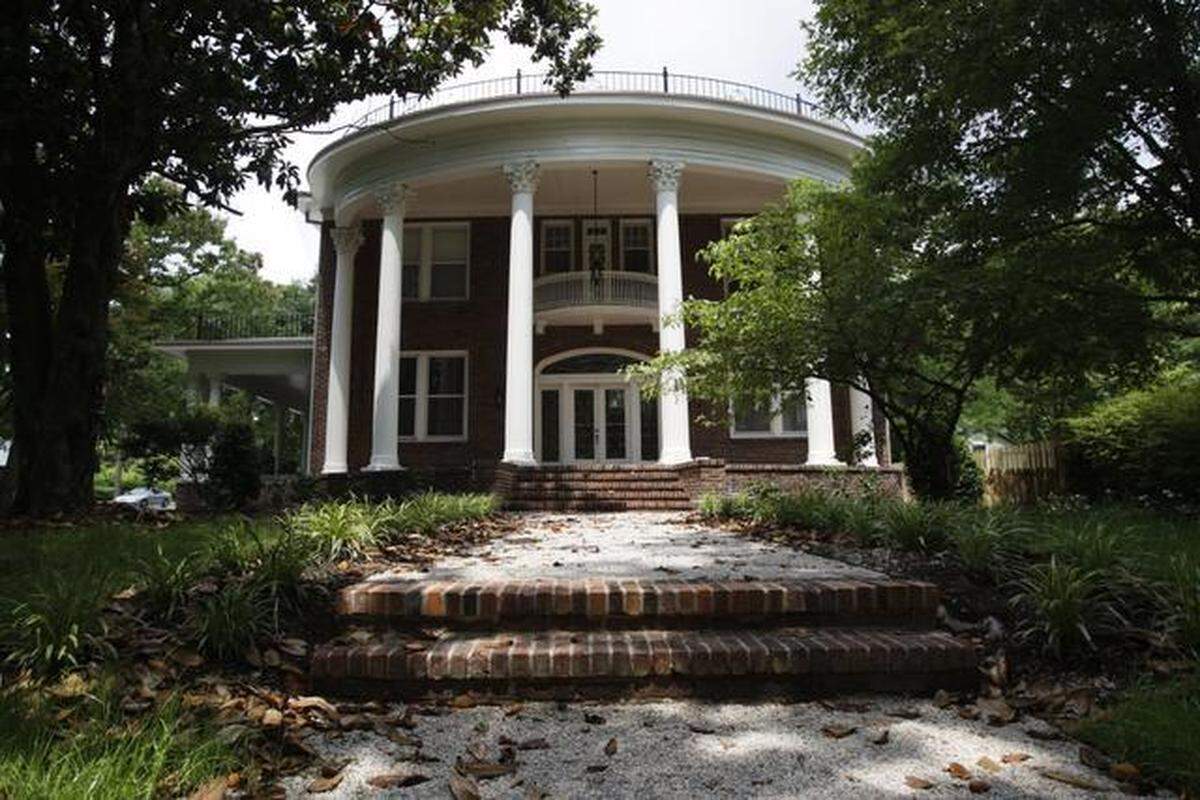
Mordecai Historic Park was once home to one of the largest plantation in the Piedmont region. Now, the grounds help tell the stories of the 200 African American slaves who lived and worked there between the American Revolution and the Civil War. The park also includes the birthplace of President Andrew Johnson.
Nina Simone Plaza
Location: 54 N. Trade St., Tryon, NC 28782
Cost: Free
The Eunice Waymon Nina Simone Memorial Project honors life and legacy of Nina Simone, a Tryon native who achieved international recognition for her contributions to music. The plaza in downtown Tryon acknowledges the life of Simone with a bronze sculpture by Zenos Frudakis.
Oliver Nestus Freeman Round House Museum
Location: 1202 Hines St. SE, Wilson, NC 27893
Cost: Free
Born in 1882 as the son of a former slave, African American stonemason Oliver Nestus Freeman helped build houses in Wilson to combat the housing shortage for soldiers returning from World War II. The museum sits in one of the houses Freeman built in 1946 and includes artifacts that depict the culture and contributions of African Americans to Wilson’s history and development.
Pope House Museum
Location: 511 S. Wilmington St., Raleigh, NC 27601
Cost: Free
The Pope House, built in the once bustling Black neighborhood the Third Ward, offers a glimpse into the life and legacy of one of Raleigh’s prominent African American citizens, Dr. Manassa Thomas Pope. Pope was an officer during the Spanish-American War and the only African American man to run for mayor of a Southern capital in the Jim Crow Era.
St. Philips Moravian Church
Location: 911 S. Church St., Winston-Salem, NC 27101
Cost: Free
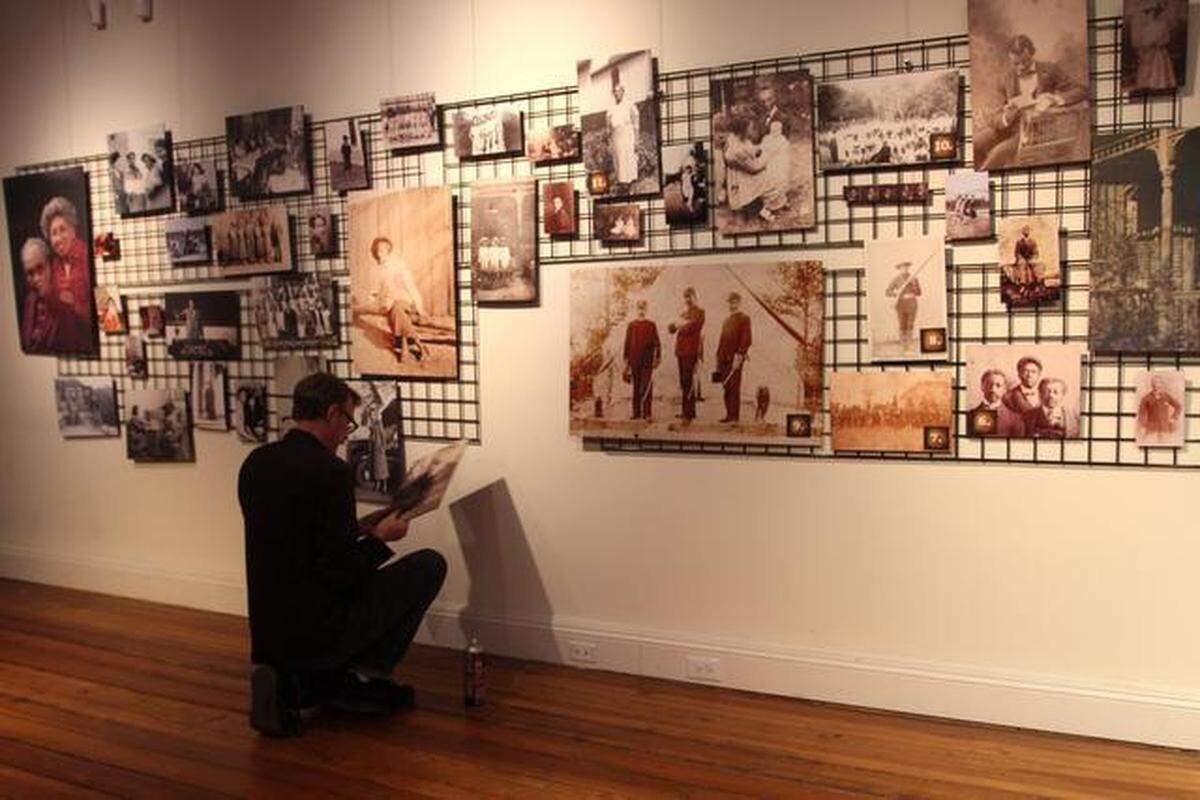
Built in 1861, St. Philips is the oldest surviving African American church building in North Carolina. The church is next to a reconstructed 1823 log church with exhibitions that document the history of the Moravian community.
This story was originally published February 3, 2025 at 5:30 AM with the headline "Learn more about North Carolina’s rich Black history through these 10 iconic landmarks."