
FEMA helped more than 150K in NC after Helene damaged homes, but some feel ignored
On paper, it seems clear: The Federal Emergency Management Agency has come to the rescue of many thousands of people in Western North Carolina whose homes were damaged or destroyed by Helene.
As of March 17, the federal agency approved $404.5 million for 157,567 households, committing money for rent, basic home repairs and more in North Carolina, it says. It covered hotel bills for more than 13,300 displaced families, paid to help repair or replace more than 21,000 homes and provided rental assistance to thousands.
Charlotte Observer reporters spoke with more than a dozen Western North Carolina residents whose homes were damaged or destroyed by Helene nearly six months ago. While some said they were grateful for the agency’s help, others voiced dissatisfaction.
As they adapt to life in donated campers and the spare bedrooms of family members, they are still struggling to find stable temporary housing or get help they need to repair their homes.
Four people whose homes were destroyed said they had received less than $5,000 in federal assistance.
Sabrina Mills said her family’s request for a FEMA trailer was rejected because their Swannanoa property, which they wanted to protect from looters, is in a floodplain.
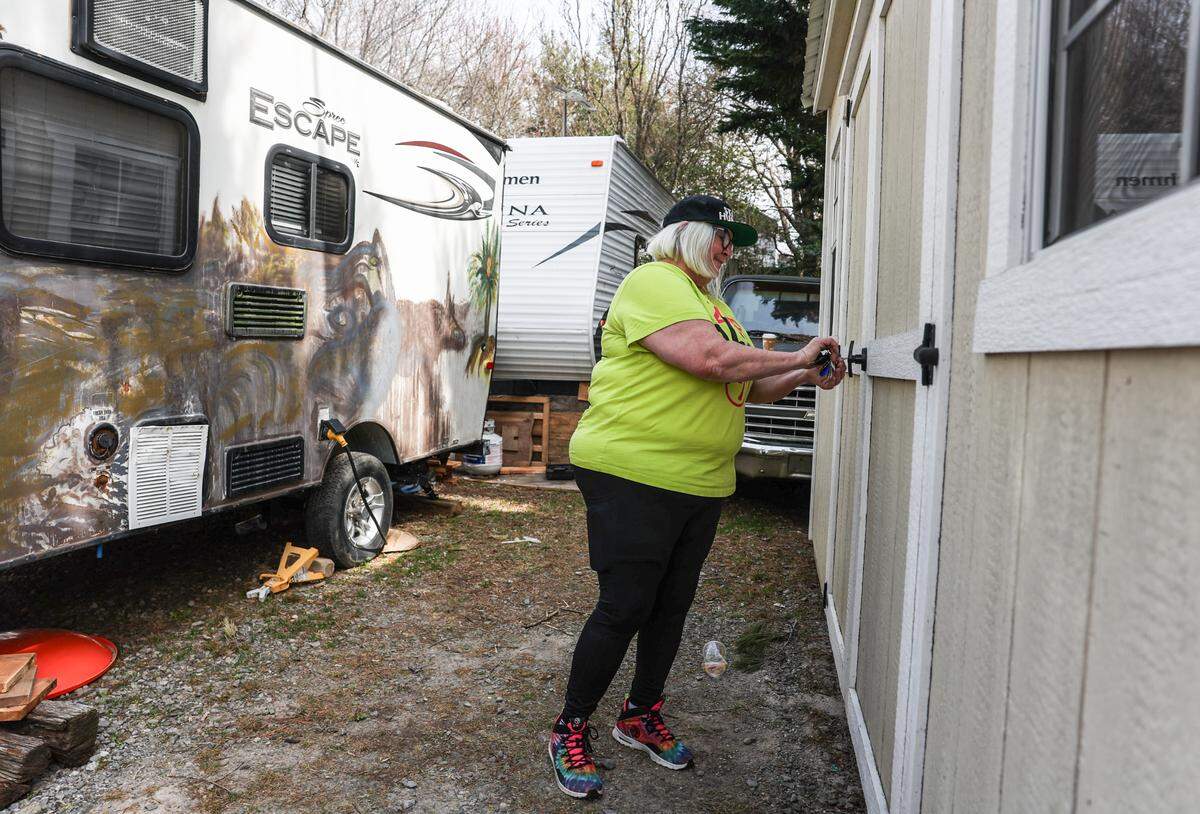
Delia Lytle Bayley of Black Mountain received about $10,000 from FEMA, only to be told not to spend the money because she might have to give it back, she said.
Slipped through the cracks?
Part of FEMA’s job is to provide housing assistance to people displaced by natural disasters. This often includes funds for lodging, rental assistance and home repairs. The agency is also responsible for providing temporary housing units when other options aren’t available.
The maximum amount of financial help an individual or household can receive from FEMA after a natural disaster destroys their home is $43,600 for housing assistance and an additional $43,600 for other needs.
The day Helene’s historic flooding hit, Tammy Coates and her husband ran uphill from their two-bedroom modular home in Marshall and watched it float from its foundation into the French Broad River.
Along with the house and several outbuildings, the couple lost nearly all their possessions. Their total losses: about $600,000, Coates said. But their flood insurance policy paid $27,000 — only enough to cover about 5% of what they’ve lost, Coates said. All they’ve gotten from FEMA so far is $4,200, Coates said.
FEMA turned down their applications for more help, so they filed two appeals. Those, too, were unsuccessful. Coates says she plans to file a third appeal but she finds it hard to disguise her frustration with FEMA.
“I just don’t get it with our house floating down the river,” she said. “I think they’ve let me slip through the cracks.”
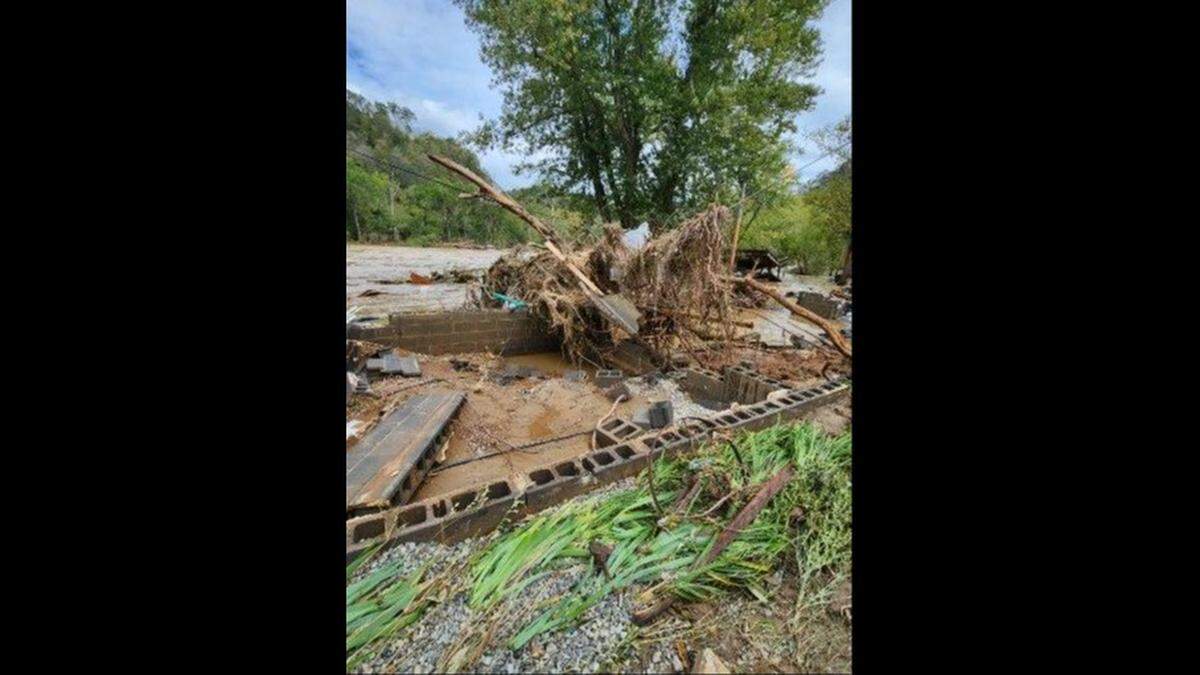
Coates and her husband were among more than 6,000 households displaced by the storm — and more than 400 still seeking housing assistance, according to a dashboard maintained by the state auditor’s office.
FEMA declined to make any of its representatives available for an interview and said it can’t discuss individual cases.
But the amount of aid it provides to applicants depends on several factors, including the extent of damage, claims payments from insurance and disaster assistance received from other sources, an agency spokesperson said in an email.
‘Waiting weeks on replies’
Helene’s winds, floods and mudslides damaged or destroyed about 73,000 homes in North Carolina, state officials say.
Few were harder hit than those in the Swannanoa area, just east of Asheville. Five months after the storm, many residents there continue to live in campers and other temporary structures donated by churches and nonprofits.
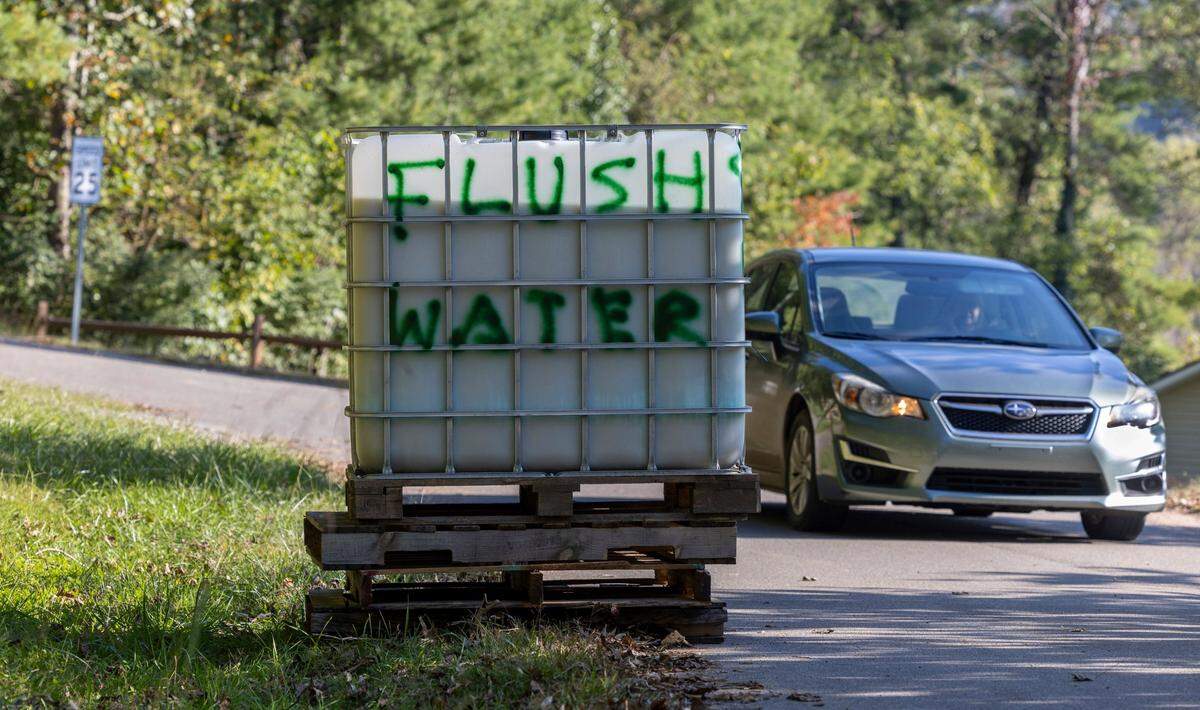
Those private groups have done far more to help people than government agencies, some contend.
Asked about government efforts to assist residents, Valley Strong Disaster Relief co-founder Ian Monley minced no words. “It’s been horrendous,” he said. “They’ve left us to figure out things for ourselves. The small organizations have stepped up to make things happen.”
U.S. Rep. Chuck Edwards, who represents many storm-battered counties in Western North Carolina, heard so many complaints about FEMA that he set up a hotline — 223-FIX-FEMA — for people who run into difficulties with the agency. More than 1,000 calls have come into the hotline so far, his office says.
Many said the agency is slow, unresponsive and mired in red tape, Edwards and other public officials say.
“Many folks that call my office have been waiting weeks on replies,” Edwards told the Charlotte Observer. “That’s just not helpful for folks that are already in a distressful situation.”
FEMA has long faced severe staffing shortages, and that problem may soon get worse. Hundreds of probationary FEMA employees were fired in February, and the Trump administration is laying the groundwork to dismiss employees who’ve worked to address climate change or promote equity and diversity, Politico reported.
Obstacles to federal help
Critics have pointed to a parking lot in Hickory as one indication of FEMA’s inefficiency: In late January, dozens of agency trailers were sitting empty there behind a guarded fence.
FEMA said that parking lot is a “staging area” for temporary housing units, a place where trailers are “made mission ready here then pulled to fulfill work orders for applicants who have feasible private sites or available commercial pads.”
At a state legislative meeting in late January, Western North Recovery Advisor Jonathan Krebs said public officials have made thousands of calls to displaced residents, but most expressed little need for FEMA trailers. “People don’t want them,” he said.
But Daria Uporsky, a nonprofit case worker who has helped displaced people in Madison County, suspects the trailers are sitting empty for other reasons: FEMA took too long to make trailers available and didn’t let residents put them on properties in floodplains, she said.
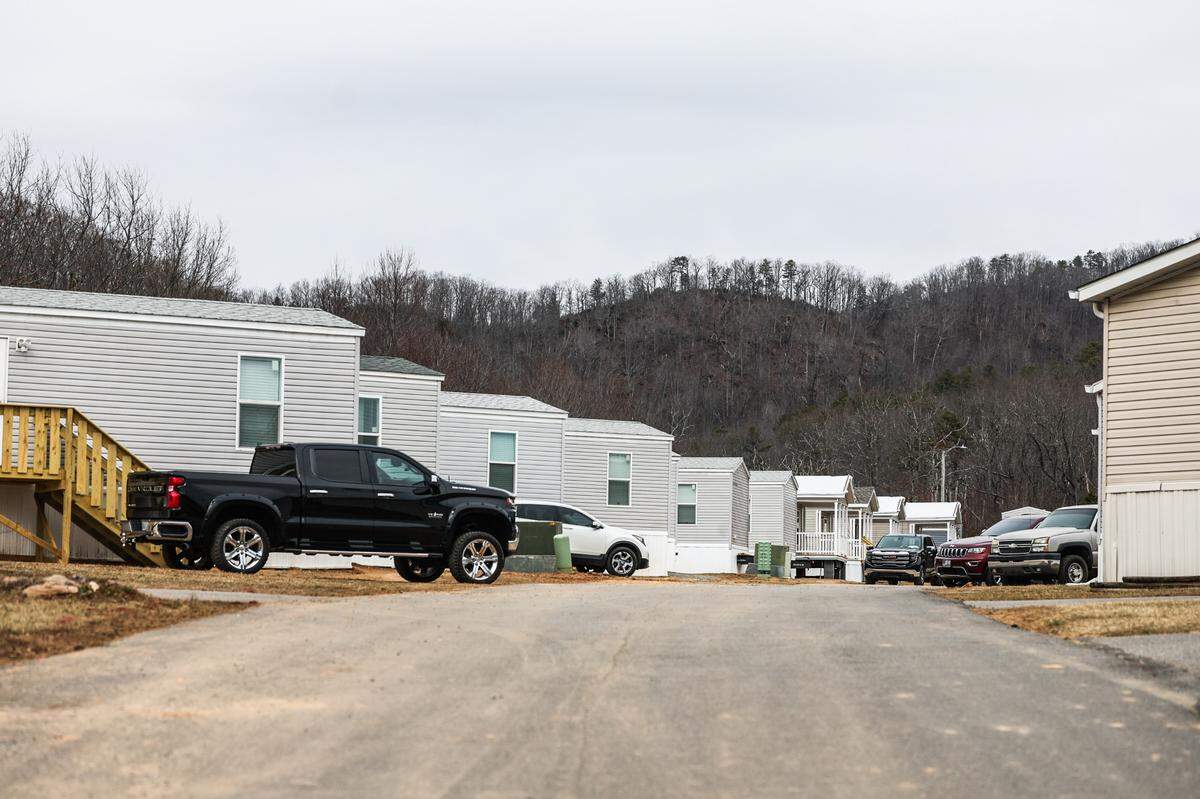
As of Feb. 19, FEMA said it had provided trailers and other temporary housing units to 223 North Carolina families.
The agency has said that providing temporary housing takes “significant time” because the process involves “ordering, transporting, site preparation, installation, inspection, permitting and utility hookup, among other steps.”
FEMA also has said it has provided rental assistance to more than 3,850 people in North Carolina.
Uporsky said she knows of no one in Madison County who has gotten more than two months of rental assistance from FEMA so far.
Observer reporters also heard this complaint from some people who lost their homes: Although FEMA offered them free hotel stays, they couldn’t use that option because the closest participating hotels were more than an hour from their homes and jobs.
Madison County commissioner chair Matt Wechtel criticized rules that prevented storm victims from using FEMA’s Transitional Sheltering Assistance funds at Airbnb rentals. That’s left displaced residents with few options because there’s just one participating hotel in the county — and it’s often full, Wechtel and others said.
FEMA noted that many people can stay at Airbnb homes through a different initiative — its rental assistance program.
Resident: FEMA does the best it can
Linda Brown, a 68-year-old retiree from the Madison County town of Marshall, is among those who are generally pleased with the agency’s response so far.
The flooding from the French Broad River sent two feet of water into her mobile home, destroying floors, walls and possessions, and filling the home with mold. The two-bedroom house was so badly damaged it had to be demolished.
Brown has insurance, which will help her rebuild, but that won’t cover the full cost.
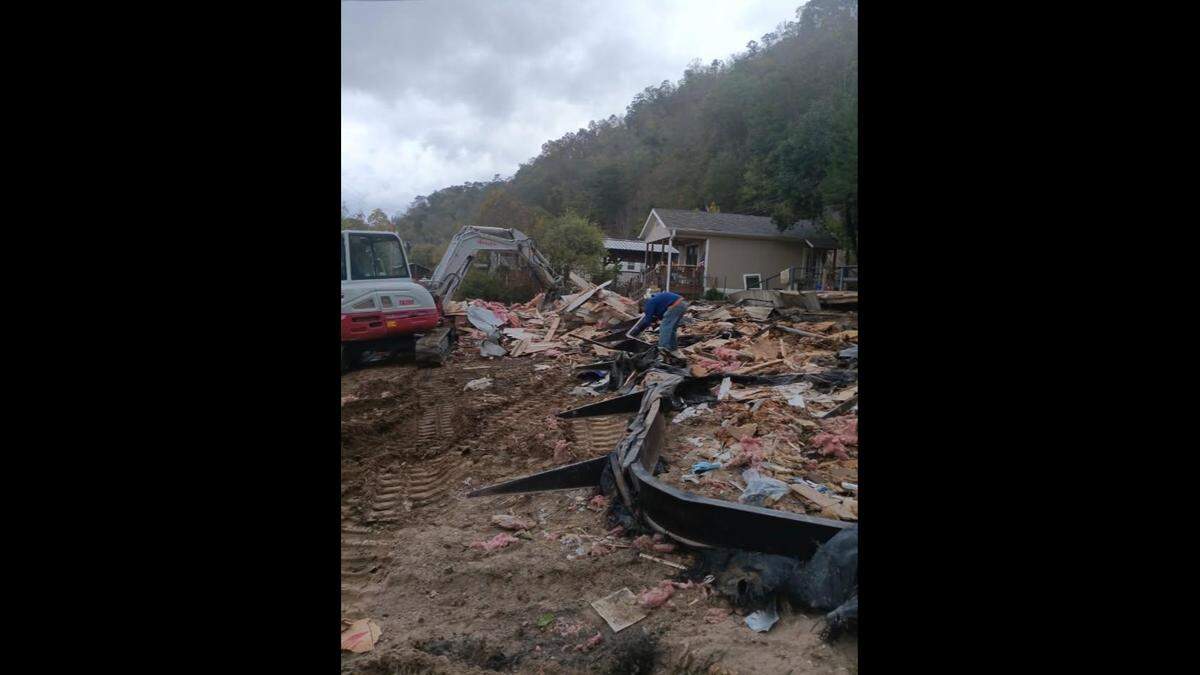
FEMA provided her a total of $7,250 in assistance by the end of February. That helped her rent a house about 25 minutes from the one that was destroyed. She applied to the agency to help her cover upcoming rent as well.
“As long as I get this next check, I’m OK with what FEMA’s doing,” she said.
She’d like to see FEMA process applications more quickly, but otherwise has few complaints.
“I believe they’re doing the best they can in my situation,” she said.
Nathan Ramsey, executive director of the Land of Sky Regional Council, said FEMA’s role is not to solve every housing problem Helene caused.
“The problem is the scale of this disaster,” he said.
This story was originally published March 20, 2025 at 6:00 AM with the headline "FEMA helped more than 150K in NC after Helene damaged homes, but some feel ignored."

.JPG)