This NC road was just named a historic landmark. Learn more about ‘America’s Favorite Drive’
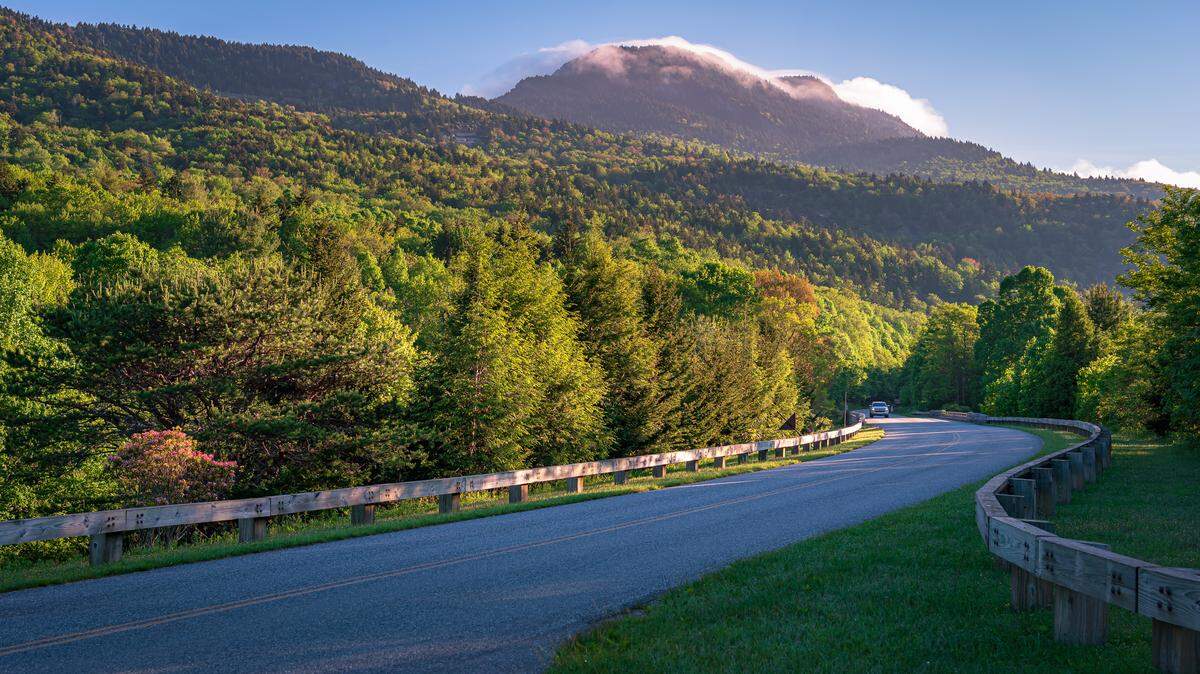
One of North Carolina’s most picturesque roads has officially etched its name in history.
The Blue Ridge Parkway, a route in the western part of the state known for its scenic views of the Appalachian Mountains, was named a National Historic Landmark by the U.S. National Park Service on Tuesday, Dec. 16.
Known as “America’s Favorite Drive,” the 469-mile national parkway winds through 29 counties in North Carolina and Virginia, according to the National Park Service.
Many areas of the parkway remain closed due to damage caused by Hurricane Helene in late September, which left thousands of downed trees and caused dozens of mudslides.
Here’s what to know about the iconic road.
What can you see while driving the Blue Ridge Parkway?
You can find the following attractions along the Parkway, according to BlueRidgeParkway.org:
Mount Mitchell: The highest mountain peak in the eastern United States
New River: The oldest river in North America, easily accessible from Galax, Virginia
Linville Gorge: The deepest gorge east of the Grand Canyon
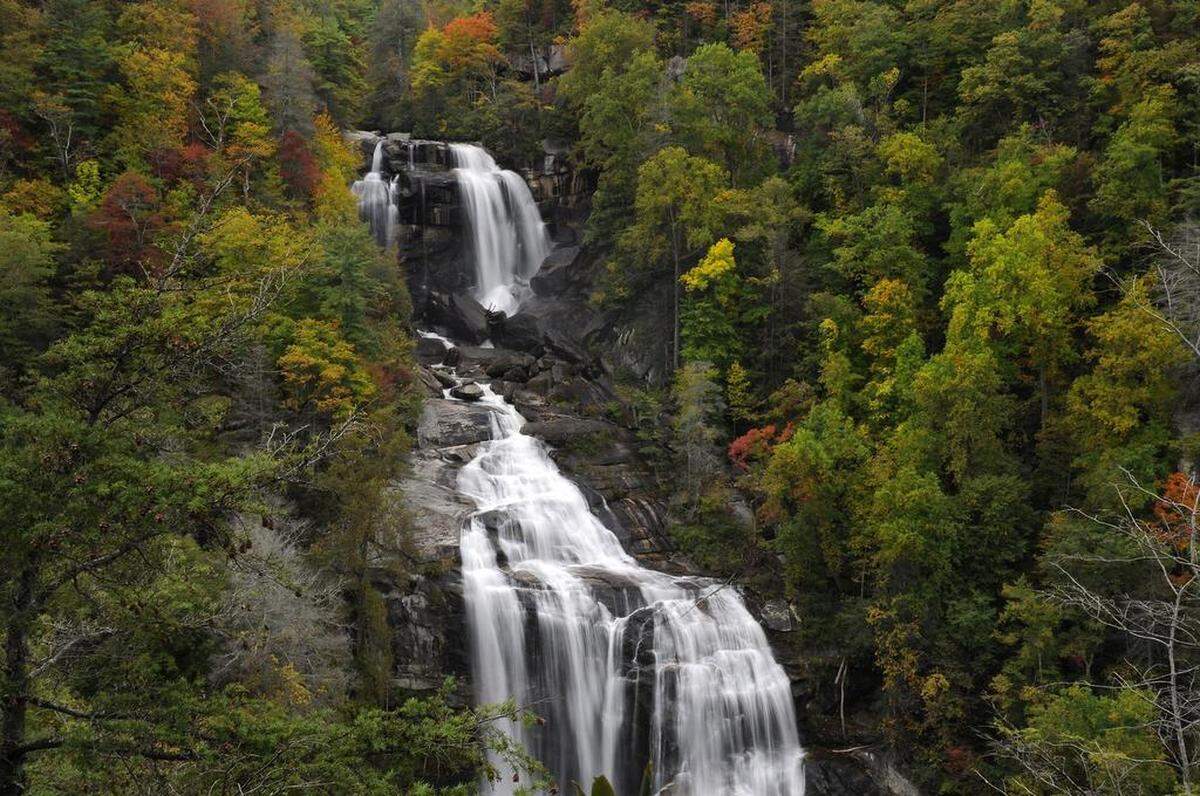
Whitewater Falls: The highest waterfall east of the Rockies, located in Jackson County
The westernmost end of the Parkway, located in Cherokee near Great Smoky Mountains National park, is about a three-hour drive from Charlotte and a five-hour drive from Raleigh. (But there are many other ways to get onto the Parkway without driving that far west.)
You can download the Blue Ridge Pkwy Travel Planner app before your drive to access downloadable offline maps, as cell service can be difficult.
Why was the Parkway built?
Construction began in 1935, as part of President Franklin D. Roosevelt’s New Deal Program to stimulate the economy during the Great Depression, according to the University of North Carolina Library.
Work on the Parkway halted in 1943 when World War II began. By that time, only about 170 miles of the road were paved and open to travel.
Just half of the road was finished by the early 1950s, but Mission 66, a program launched by the National Park Service, included an accelerated effort to complete construction of the Parkway by 1966 . This initiative was successful, since nearly all of the Parkway was finished by then, except for an 8-mile stretch at Grandfather Mountain.
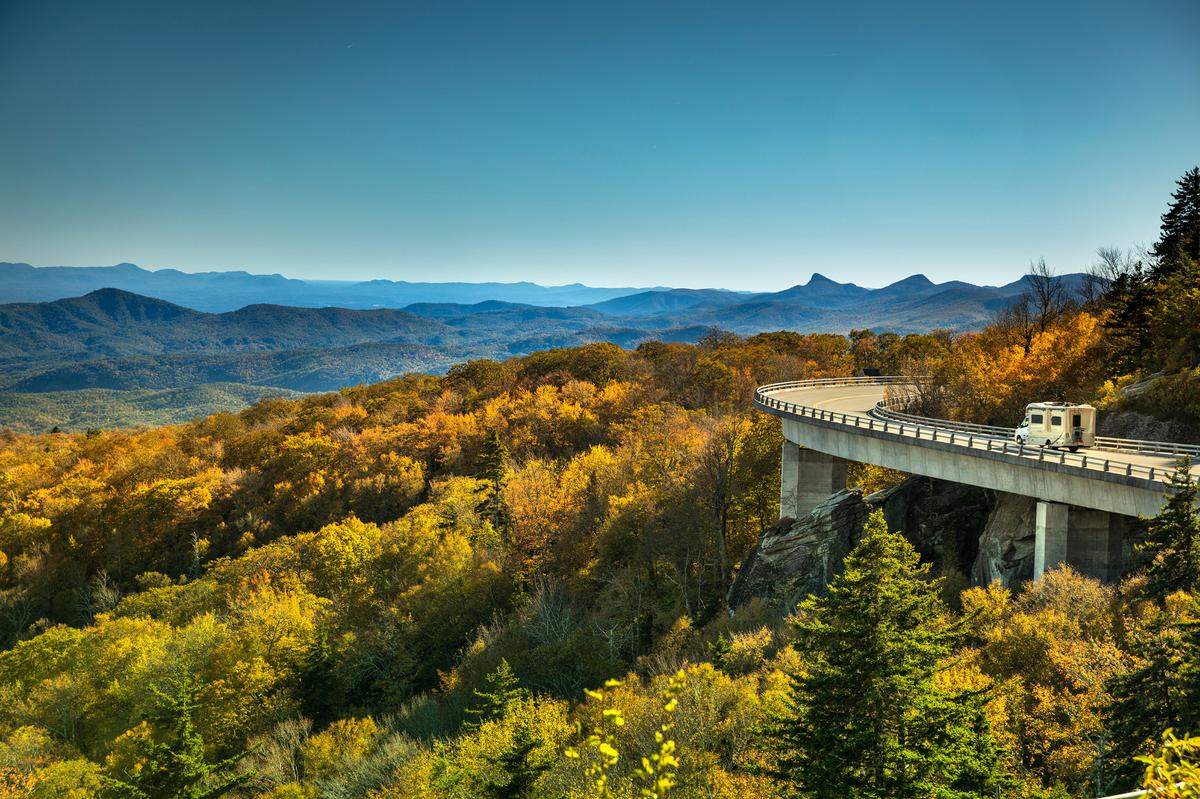
The Linn Cove Viaduct — a bridge built to protect the mountain’s ecology — opened in 1987, completing the nearly 500-mile route.
The Parkway helped provide a boost to travel and tourism industry in western North Carolina, especially in Asheville, where the city was virtually bankrupt during the Depression due to the collapse of a local bank.
How many National Historic Landmarks are in NC?
There are 40 National Historic Landmarks in North Carolina. Among them are:
- The Biltmore Estate, the largest privately-owned home in the U.S.
- Cape Hatteras Light Station
- Reed Gold Mine
This story was originally published December 30, 2024 at 7:00 AM with the headline "This NC road was just named a historic landmark. Learn more about ‘America’s Favorite Drive’."