NC sheriffs may abandon rule requiring deputies to complete training before working
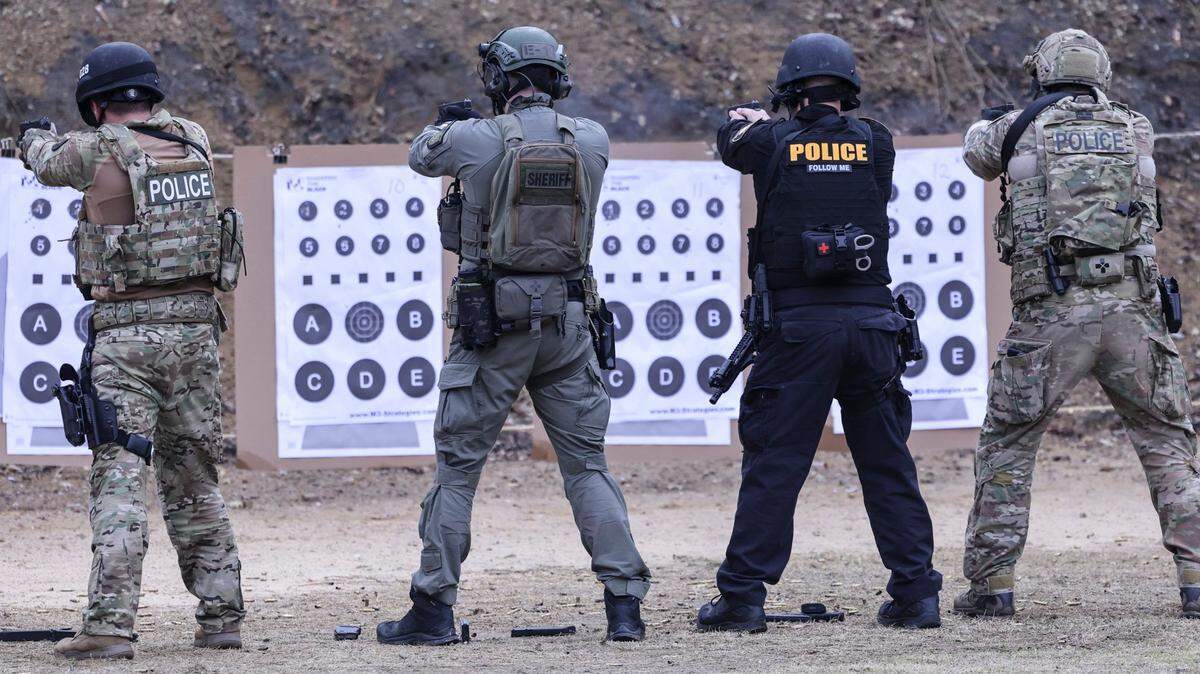
After just five months of requiring new recruits to get basic law enforcement training before they start work as deputies, North Carolina sheriffs seem ready to end the practice.
Starting on July 1, all deputies had to complete basic law enforcement instruction before becoming a certified deputy. The change ended a longtime policy that gave deputies a year to complete the 640 hours of schooling.
On Friday, the North Carolina Sheriffs’ Education and Training and Standards Commission had planned to vote on a proposal that would allow the elected leaders to revert to the year-long grace period. But members instead postponed the vote.
The commission is responsible for certifying deputies, detention officers and telecommunicators employed by the 100 sheriffs offices across the state.
“The vast majority of sheriffs that have contacted commission members are in favor of it diverting back to the way it was,” said Cleveland County Sheriff Alan Norman, chair of the commission.
Most sheriffs wouldn’t put deputies out on patrol without basic training, Norman said, but they want the option to use them for other, possibly administrative, tasks.
“He’s not gonna be on the front line,” unsupervised, he said.
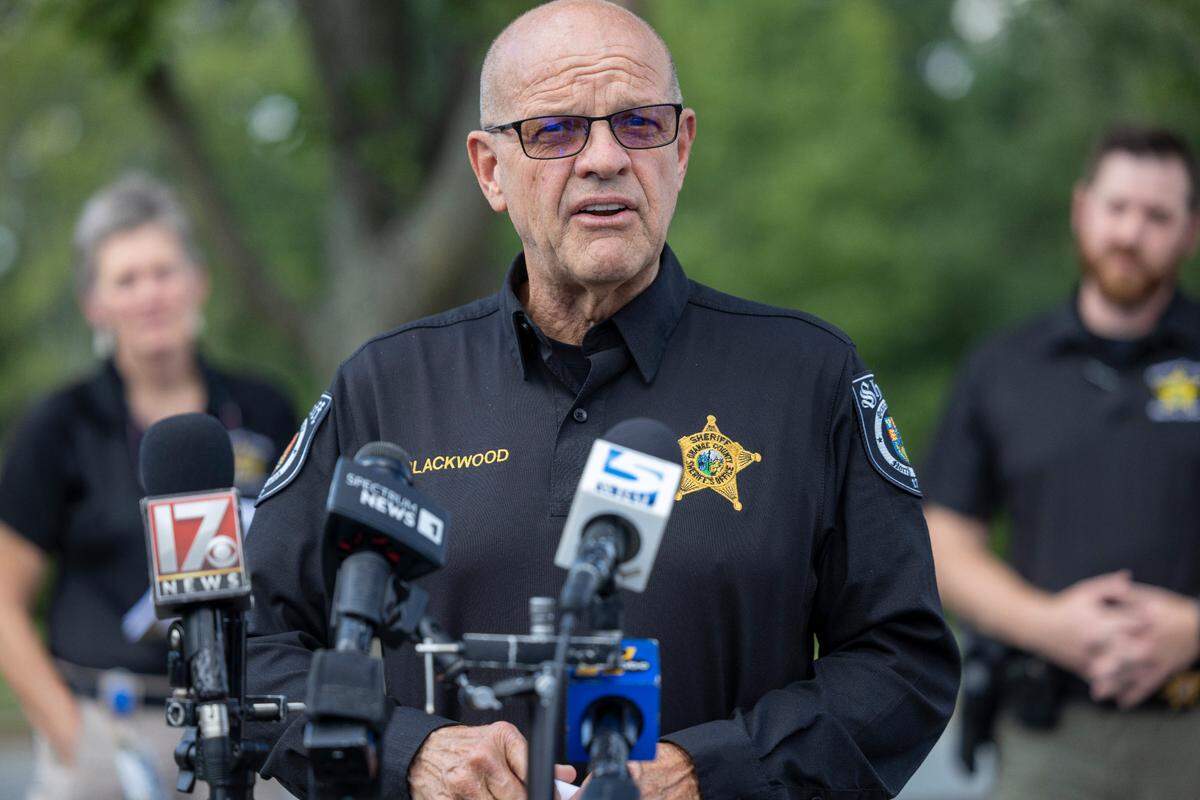
Not all in this line of law enforcement agree. Orange County Sheriff Charles Blackwood said he believes that untrained deputies are patrolling streets in some counties.
“That just doesn’t pass the smell test with me, and it’s not going to pass the smell test with the public,” said Blackwood, who has been the sheriff for 10 years.
The shifting consensus on training
Before someone can pin on a deputy star, they must be certified. To be certified, potential employees have to complete a physical, a background check and at least 640 hours of basic law enforcement training. That training will increase to more than 800 hours in 2025.
For decades, deputies in North Carolina could have a “probationary certification” allowing them to complete the basic training within 12 months after they were hired or more if commissioners grant sheriffs extensions.
Then and now, before officers can carry a firearm they must receive firearms training and requalification each year, as well as review the department’s use-of-force policies.
Sheriffs first started to consider ending the 12-month training grace period during the wave of criminal justice reform that followed Minneapolis police officers murdering George Floyd and other high-profile cases of police misuse of power.
To address those and other policing concerns, the North Carolina Sheriffs’ Association formed a working group on law enforcement professionalism.
In 2020, the association released recommendations that included requiring basic training be completed before deputies perform their duties by 2025. The report also supported banning choke holds, requiring psychological screening and creating a public database of officers who lost their certification.
Also during that time, law enforcement officials collaborated with politicians on both sides of the aisle to improve policing standards in North Carolina.
In 2021, the Republican-led General Assembly worked with Democrats to pass in 2021 Senate Bill 300 seeking to upgrade law enforcement standards across the state, hold officers accountable and track when they get into trouble.
In June 2022, the sheriffs’ commission voted to require completion of the law enforcement training earlier, starting on July 1, 2023, according to meeting minutes. About a year later, the commission voted to delay the start date to July 2024.
‘A horrible idea’ or a practical step?
When Blackwood, the Orange sheriff, started as a deputy in 1980, he didn’t have any training but still patrolled the county on his second night of duty, he said.
“That is a horrible idea,” Blackwood said, adding his previous job experience, bartending and deejaying, didn’t include law enforcement.
Regardless of an agency’s size, new deputies should be onboarded on a schedule that includes basic training prior to getting to work, just as the North Carolina Highway Patrol and police officers must do, said Blackwood.
If deputies start work without that education, it puts additional risks and burdens on all involved.
Putting young men and women who have just pinned on the badge in a situation where they’re making split-second decisions in tense, rapidly evolving circumstances “is bad medicine,” he said.
But Wake County Sheriff Willie Rowe said he favors giving new recruits a year to take the training. It allows him to hire an interested employee right away, versus waiting another six months for another academy.
“I could lose a very qualified person who’s able to contribute to the agency,” said Rowe, who was elected in 2022.
Rowe calls those individuals “prehires” and he uses them in administrative duties, he said.
In general, state law gives sheriffs the sole authority to hire and fire their staff, which can result in more turnover in a sheriff’s office after a new top cop is elected.

Decision delayed on proposal
At a commission meeting Friday in Burlington, Cabarrus Sheriff Van Shaw made the motion for the North Carolina Sheriffs’ Education and Training Standards Commission to postpone its vote on the change “to allow more time for consideration of the impact of the proposed changes and to receive additional input from sheriffs across all the state.”
The motion passed unanimously. During a break in the meeting, Sheriff Norman, the commission chair, said the change was made after they received some phone calls from sheriffs’ offices across the state.
Norman declined to discuss whether sheriffs shared any concerns and what they were. And a date was not set for when the issue would be reconsidered.
EDITOR’S NOTE: This story was updated to include the North Carolina Sheriffs’ Education and Training Standards Commission’s Nov. 22 decision to postpone a vote on the proposed training-deadline change.
Virginia Bridges covers criminal justice in the Triangle and across North Carolina for The News & Observer. Her work is produced with financial support from the nonprofit The Just Trust. The N&O maintains full editorial control of its journalism.
This story was originally published November 21, 2024 at 6:00 AM with the headline "NC sheriffs may abandon rule requiring deputies to complete training before working."