
Advocacy groups seek inmate releases after Helene shuts down four NC prisons
Nine human rights organizations are demanding that the state prison system release 1,900 inmates to alleviate overcrowding caused by the closure of four prisons impacted by Hurricane Helene in Western North Carolina.
“What needs to happen in order to avoid unconstitutional conditions within our prisons in North Carolina is for people to be let out of cages,” said Dawn Blagrove, executive director of Emancipate NC, at a news conference Friday. “We have asked that 400 women at a minimum and 1,500 men at a minimum should be immediately released.”
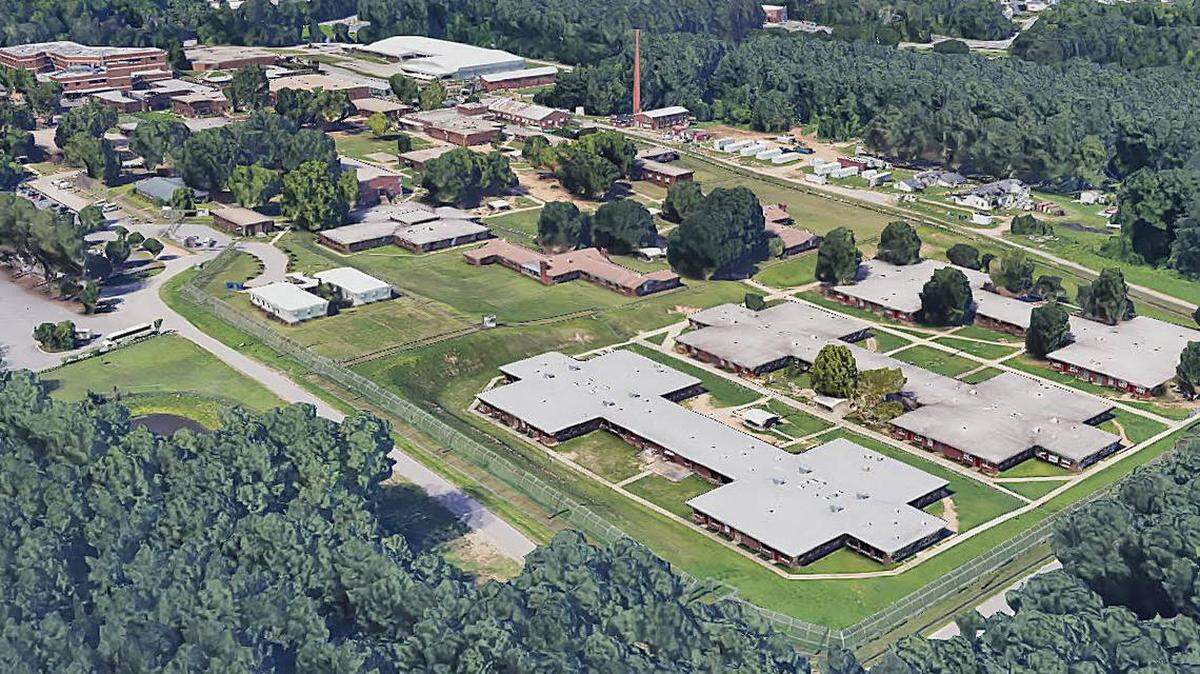
Helene, which hit Sept. 27, caused the closure of four prisons: the Western Correctional Center for Women in Swannanoa, Avery-Mitchell Correctional Institution in Spruce Pine, Mountain View Correctional Institution in Spruce Pine, and Craggy Correctional Center in Asheville. The department’s substance abuse treatment center in Black Mountain was also closed. About 400 women and 1,700 men were moved from those facilities to other prisons across the state.
The human rights groups have joined in a letter to the N.C. Department of Adult Correction calling for the supervised release of inmates who are serving sentences for nonviolent crimes and are scheduled to finish their sentences within the next two years. They also say the department should release all pregnant women who had been held at the substance abuse treatment center.
“Given the emergency circumstances in which the state currently finds itself — facing a long and arduous recovery in the Western region — it is responsible and prudent administration to minimize the state prison population by once again applying these commonsense principles to permit low-risk individuals to return home,” the letter said.
Correction spokesman Keith Acree said in an emailed response that many of the claims in the letter are “misinformed or grossly exaggerated,” but he did not provide specifics. The department will provide a more detailed response “in the near future,” he said.
All five facilities still do not have water or sewer services, Acree said. Department staff are making plans to transfer inmates to other prison facilities in the western part of the state that were not affected by the hurricane, he said.
Craggy might be open for inmates in the coming weeks but the timeline for Spruce Pine and Swannanoa “appears to be longer.”
Elizabeth Simpson, Emancipate NC’s strategic director, said the groups plan a lawsuit if the department does not agree to their demands in three weeks.
The other groups seeking the inmate releases are the ACLU of NC, Disability Law United, Disability Rights NC, Forward Justice, the NC Justice Center, NC Prisoner Legal Services, Southern Coalition for Social Justice, and the Wilson Center for Science and Justice at Duke Law.
Blagrove and Luke Woollard, an attorney for Disability Rights NC, said the closures exacerbated problems for a prison system with overcrowded and understaffed facilities. Inmates at the N.C. Correctional Institution for Women in Raleigh, where the group held its news conference, are dealing with food cutbacks, sleeping on floors and reduced access to laundry, they said.
Inmates are also finding medical treatments postponed and delays in getting prescriptions filled. Their letter said one woman who suffers from “seizures, a blood clot disorder, and stents in her legs” has yet to undergo heart and foot surgery that was scheduled for August.
The lack of staff means inmates are locked down in their cells longer, and the potential for violence increases, they said.
It costs roughly $29,500 a year to take care of an inmate, the groups noted, so releasing inmates would also make more money available to help the state recover from a hurricane that has caused an estimated $53.6 billion in damages and more than 100 deaths in North Carolina.
During the COVID-19 pandemic, the prison system released roughly 4,500 inmates to limit the virus’ spread. The group urged the correction department to use the same game plan to respond to the prison conditions Helene created.
“Thousands of people were released early to help create more healthy and humane conditions during COVID, and guess what? The sky didn’t fall and the streets weren’t run amok with crime,” Blagrove said.
This story was originally published November 1, 2024 at 2:29 PM with the headline "Advocacy groups seek inmate releases after Helene shuts down four NC prisons."