
‘Predatory’ worm found in North Carolina is new species of unknown origin, report says
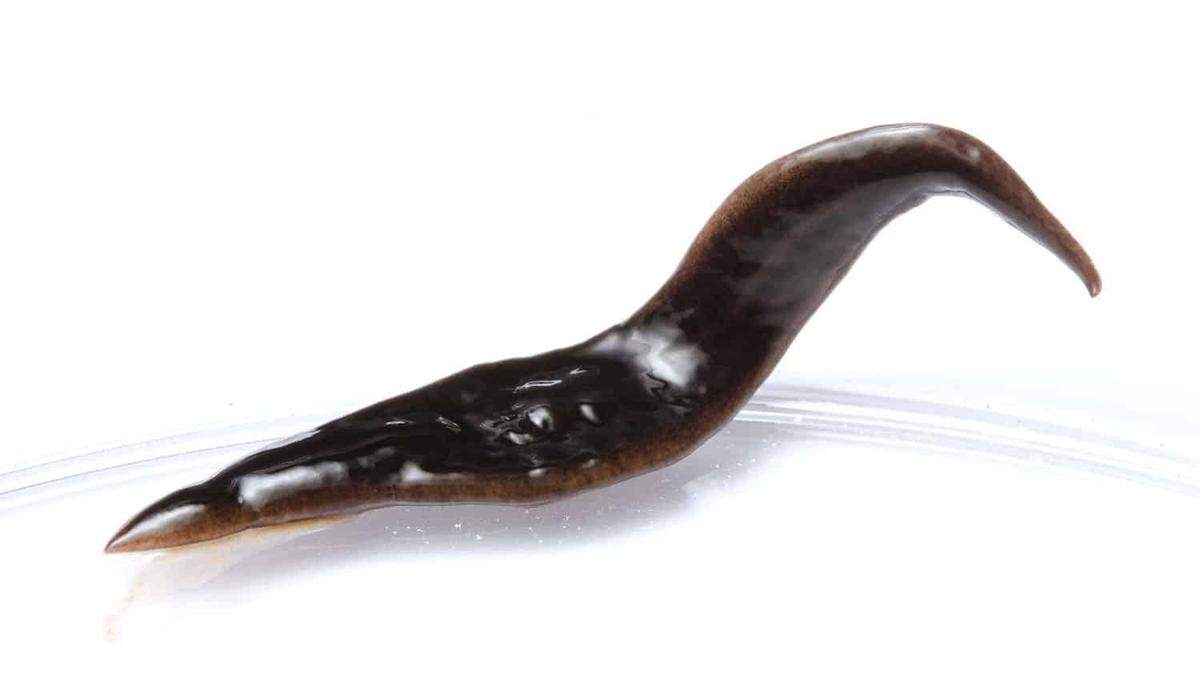
An unfamiliar pest found in flowerpots at a nursery in North Carolina has been identified as a predatory flatworm and experts aren’t sure where the species originated, according to N.C. State’s Plant Disease and Insect Clinic.
The worms have been found at three sites in the state — Charlotte in Mecklenburg County, Kinston in Lenoir County and Locus in Stanly County — a newly published study says.
No threat to humans has been reported, but it remains unclear if the worms pose a threat to native worms and ecosystems, officials said.
“The new species is called Amaga pseudobama and we know very little about it,” clinic director Matt Bertone said in a Sept. 24 news release. Bertone was a co-author of the study.
“It has not been observed in the wild or native habitats, so we don’t know much about how it interacts with its environment. We can infer from what we know about related species, but we don’t know precisely what it preys on, how quickly it reproduces, and so on.”
The worms are “brownish black and just under an inch long.”
The paper, “A new species of alien land flatworm in the Southern United States,” reports the worms are also believed to be in Georgia and Florida.
Specifics about the North Carolina locations were not released, but not all were at commercial nurseries, officials said. Some “were found in residential landscapes.”
“The fact that the initial North Carolina samples were found in plants that had been shipped from Georgia, suggests that A. pseudobama may be found across the Southeast,” Bertone said in the release.
“It’s also possible that these were merely isolated instances. We just don’t know. Until we have more confirmed observations of this species, we won’t know how established they are.”
It was believed the worms were native to South America. However, “researchers in France and Australia found that this was not only a different species, it was not even in the same genus.”
There are “many types of flatworms,” and most are aquatic, experts say. Those few species that live on land are found mostly in tropical areas, experts say.
Some flatworms are parasites while others are “free-living” predators that feed on “soft-bodied organisms, such as earthworms and slugs,” Bertone says.
This story was originally published September 25, 2024 at 9:44 AM with the headline "‘Predatory’ worm found in North Carolina is new species of unknown origin, report says."