Will hundreds of child abuse cases move forward? NC Supreme Court hears arguments
After years of waiting, supporters and opponents of allowing lawsuits over child sex abuse that occurred decades ago finally had their say before North Carolina’s highest court.
The North Carolina General Assembly unanimously passed the SAFE Child Act in October 2019. The law opened a two-year window for victims of child sex abuse to file lawsuits in 2020 and 2021 against their perpetrators and the organizations who employed them. No matter how long ago the abuse occurred.
The claims had been previously barred by the statute of limitations.
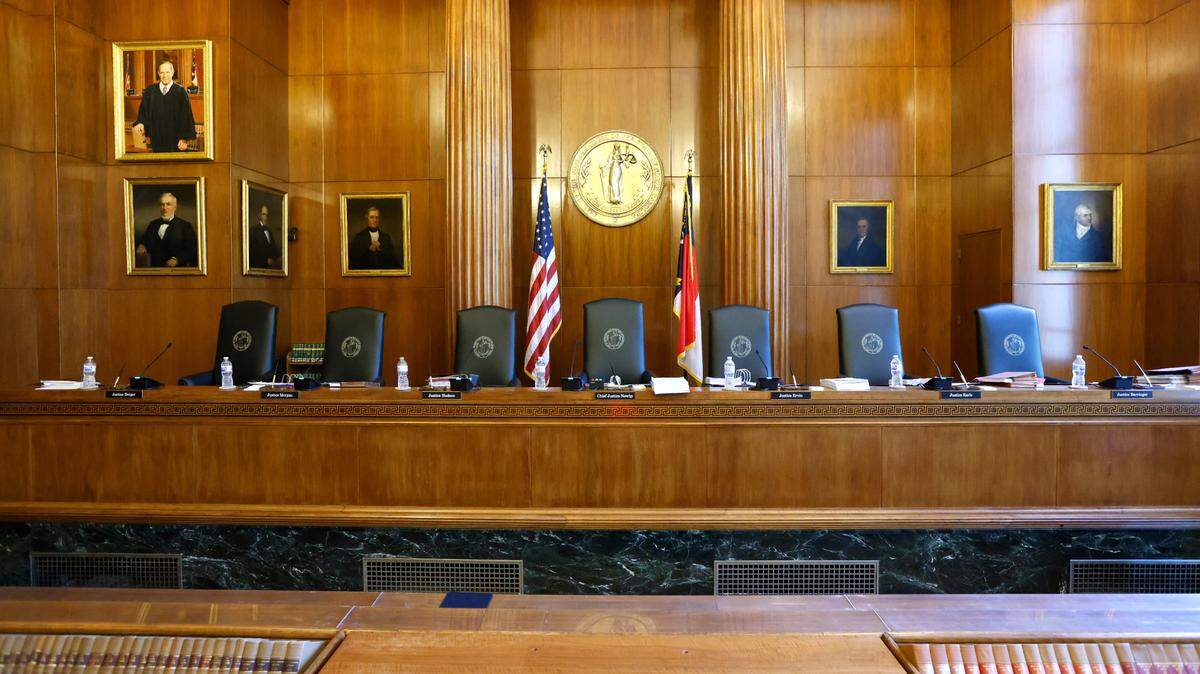
This week, the North Carolina Supreme Court took up five related cases that will ultimately decide whether all or some of the lawsuits can move forward.
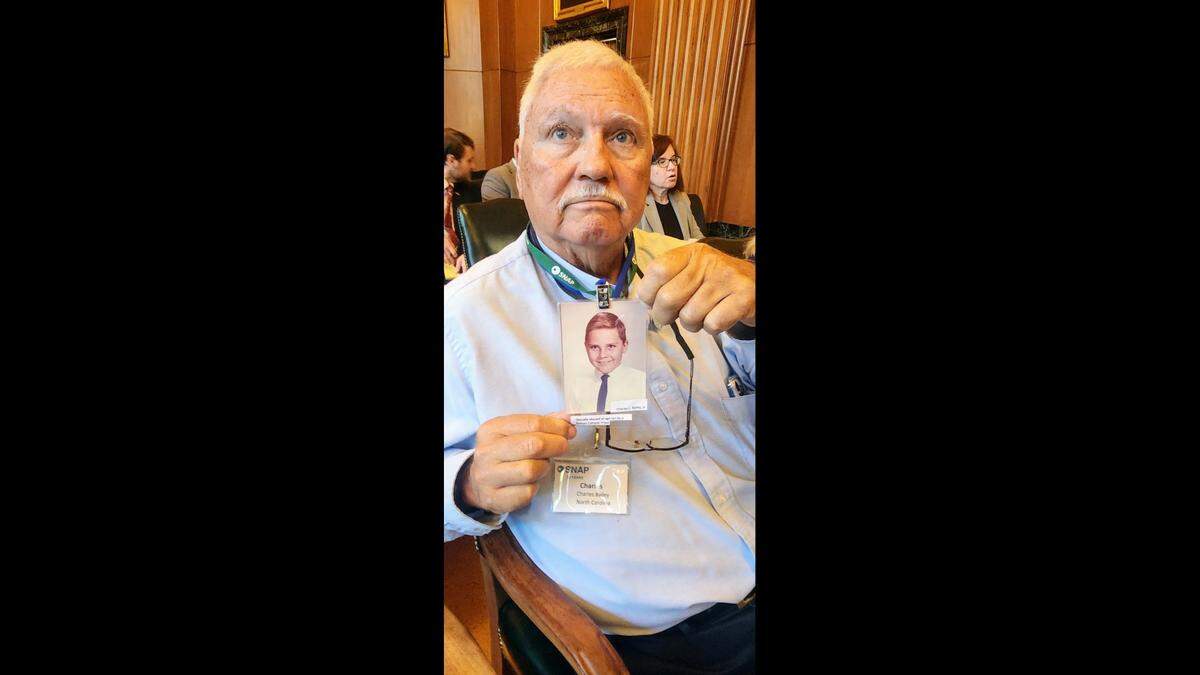
Among the suited up attorneys in the courtroom, sat Charles Bailey and his wife Susan.
Charles Bailey, 73, braced his hands on his cane. He wore a lanyard around his neck with a picture of him when he was 10-years-old. That was the age a Roman Catholic priest repeatedly raped him in his hometown of Syracuse, New York, he said.
After Bailey moved to North Carolina, he was one of many who spoke at legislative hearings and met with leaders privately, while lobbying for the SAFE Child Act for years.
After all that work, Bailey struggled with the concept that the revival window, which is just one section of the law, could all be erased by the judges’ ruling.
“I mean, to me, it’s just ludicrous,” Bailey said in an interview.
Is the revival window constitutional?
Taking advantage of the two-year window, hundreds of childhood sex abuse survivors launched civil lawsuits in North Carolina. Their court filings are filled with tragic stories of religious leaders, coaches and club volunteers grooming, groping or raping them. Defendants include Roman Catholic dioceses in Charlotte and Raleigh and about two dozen school boards. But court challenges stalled most cases.
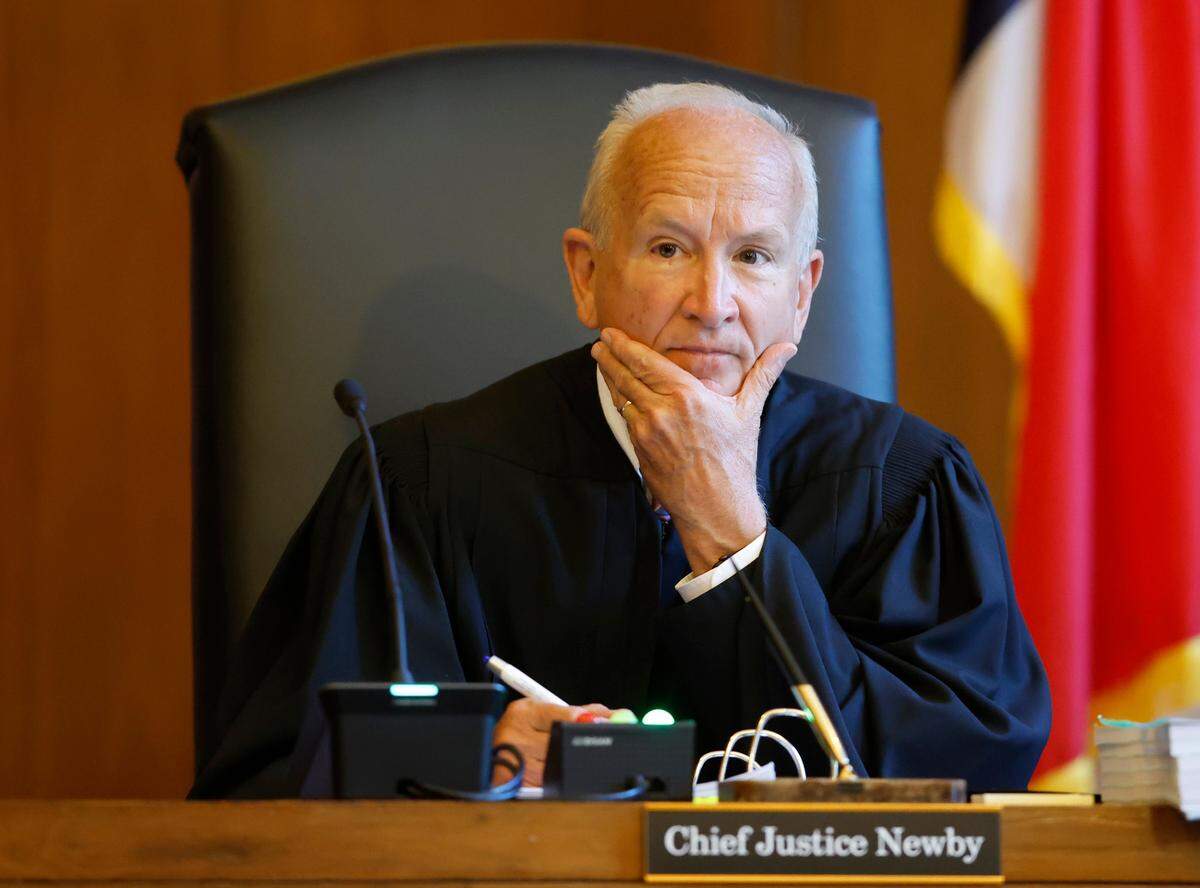
After Supreme Court clerk Grant Buckner banged the gavel in Raleigh on Wednesday, six justices took their seats in their black flowing robes. Associate Justice Allison Riggs, who was appointed to the court in September 2023, was recused from the hearings since she heard related cases when they went before the N.C. Court of Appeals before she was appointed.
The Supreme Court justices’ ruling on the first and most significant case Wednesday will likely give the final answer on whether the law’s revival window violates the North Carolina State Constitution, according to interviews and court documents. The decision is expected in coming months.
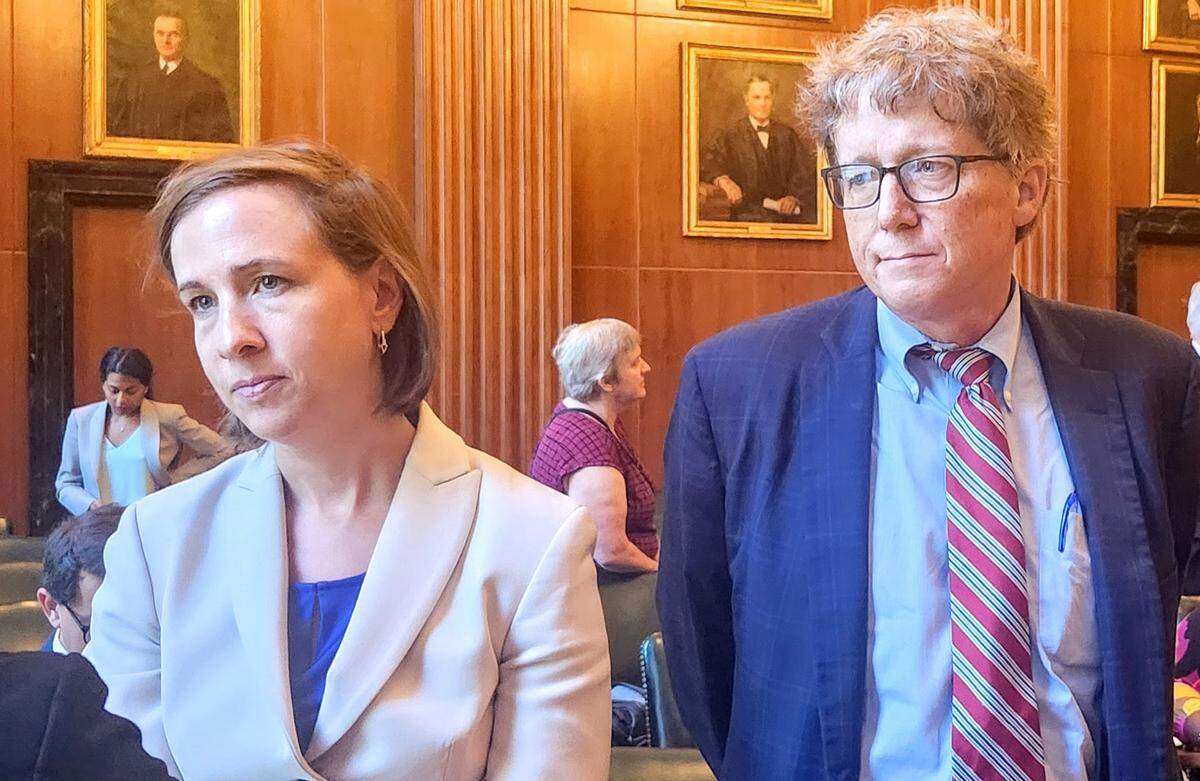
The case centers on Dusty McKinney and two other East Gaston High wrestlers’ lawsuits against the Gaston County Board of Education.
The former wrestlers contend the board dismissed numerous complaints against former wrestling coach Garry Scott Goins physical and sexual abuse after minimal investigation, leaving other children vulnerable to his unsupervised access to them in the 1990s and 2000s, the lawsuit says.
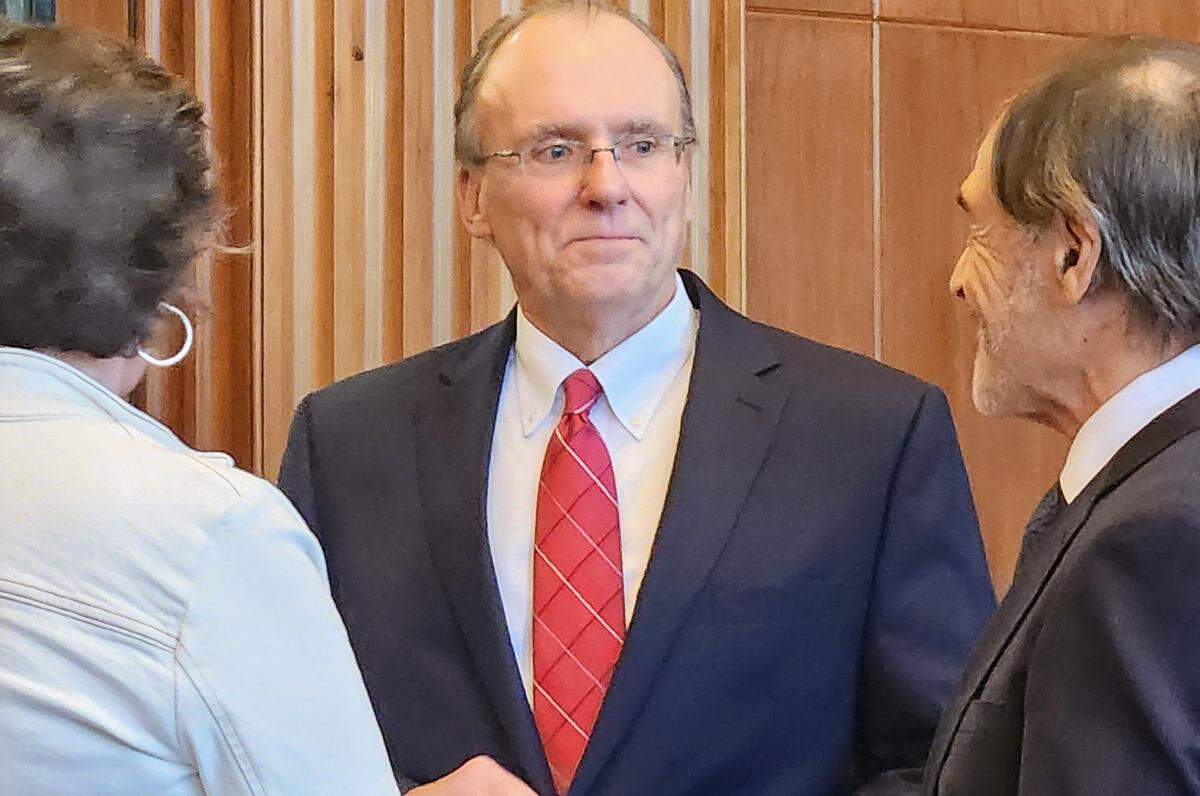
Representing the Board of Education, Robert King told the state justices that in his view the main question before the court is whether the Supreme Court should change the meaning of North Carolina’s 1971 constitution.
If the court upholds the law, it will allow the General Assembly to revive 50-year-old civil claims, destroying the vested rights protecting people from government overreach, King said.
It would also upset more than 90 years of settled expectations and reliance on the existing statute of limitations and give the General Assembly authority to revive additional claims, he said.
The revival window isn’t effective in protecting today’s children, King said. “If a person is going to be dissuaded from abusing children, if that is possible, it is by the threat of spending the rest of their life in prison,” King said.
For 90 years, the court told people, businesses, charities and boards of education that once a claim has expired it cannot be revived, King said. That idea is backed by state policies that allow relevant documents to be destroyed, handicapping organization’s ability to defend themselves, he said.
“The evidence that defendants need to defend themselves in these cases is gone,” King said.
The situation has resulted in organizations, including a small church in Bladen County facing a complaint about abuse in the 1960s, being accused of actions they have no knowledge of.
“We can’t find anybody who was around in 1960. There are no documents from the 60s. There are no insurance policies from the 60s,” King said.
State and others argue law is constitutional
The North Carolina law, along with legislation adopted by other states, recognizes research that shows coming to terms with child sexual abuse can take many years, with many survivors only able to come forward as adults.
Representing the wrestlers, attorney Bobby Jenkins argued that the revival window is constitutional, along with North Carolina Solicitor General Ryan Park.
Jenkins said the revival window allows victims to hold institutions who took no action to stop the abuse accountable. Jenkins argued that the statute of limitations are public policy decisions of the General Assembly.
“And like any public policy decision, the General Assembly can choose to alter that public policy,” Jenkins said.
Chief Justice Paul Newby asked Jenkins to respond to KIng’s arguments that the defendants wouldn’t have records to respond to the accusations.
“Should we be concerned about that?” Newby asked.
The plaintiffs still have the burden of proof in these cases, Jenkins responded.
“If the plaintiff can’t prove it, if the plaintiff can’t bring forward enough evidence to get it to a jury, then trial courts will grant summary judgment and those cases will not move forward,” Jenkins said.
Alamance County Republican Rep. Dennis Riddell, one of the sponsors of the SAFE Child Act legislation, wasn’t able to make it. But in an interview Tuesday he said he expected challenges to the law since it could cost organizations a lot of money, he said.
“The stakes are pretty high for those institutions that knowingly protected predators and left children exposed to that particular child sexual abuse and form of abuse that tends to lead the victim with all the guilt in the predator walks away,” Riddell said.
Five SAFE Child Act cases
In total, the court heard Wednesday about five cases involving the SAFE Child Act. The justices’ decisions will determine whether the law applies to institutions that enable abusers and whether previously litigated and dismissed claims can be revived.
Rachel Howald flew in from New Jersey to attend the hearings. Howald’s SAFE Child Act lawsuit accusing a teacher of abuse at a former Asheville Christian school was among the first to move forward and resulted in a sealed settlement with the school and a $1.2 million judgment against the teacher, according to court documents.
Howald, 53, pointed out that even if the Supreme Court agrees that the law is constitutional and that abusers’ employers can be held accountable, it is really just the beginning for survivors.
Next they have to go to court, defend their statements and their integrity in a months-long court process.
“This is about getting the right to fight the fight,” she said.
Virginia Bridges covers criminal justice in the Triangle and across North Carolina for The News & Observer. Her work is produced with financial support from the nonprofit The Just Trust. The N&O maintains full editorial control of its journalism.
This story was originally published September 19, 2024 at 11:59 AM with the headline "Will hundreds of child abuse cases move forward? NC Supreme Court hears arguments."