More cicadas? The big-eyed bugs are back in NC. Here’s what to know (+ when they’ll leave)
Every year without fail, cicadas come out of hiding to serenade us with their songs when the North Carolina weather warms up.
Annual cicadas, sometimes referred to as “dog day” cicadas, usually emerge during summer every year, Chris Hayes, a postdoctoral scholar at N.C. State University who specializes educating the pest management industry on critter habits, told The Charlotte Observer.
While the noise may seem annoying, there’s a reason why annual cicadas feel the need to sing. But are the insects dangerous? Here’s what you need to know.
Where are annual cicadas found in NC?
Cicadas begin their lives as eggs inside of twigs on trees, and they usually don’t stray too far from their birthplaces as juveniles, Hayes said. Once the eggs hatch, baby cicadas drop down to the soil and burrow underneath it.
“They can actually go up to eight feet into the soil underneath those plants,” Hayes explained. “And typically, what baby cicadas will feed on is roots. They’ll pierce and suck fluid and nutrients from the roots that they develop.”
Annual cicadas typically prefer to nest in deciduous hardwood trees, such as ash, elm, maple and oak, according to the N.C. State Extension – but once they can fly, they can be found virtually anywhere outside, Hayes said.
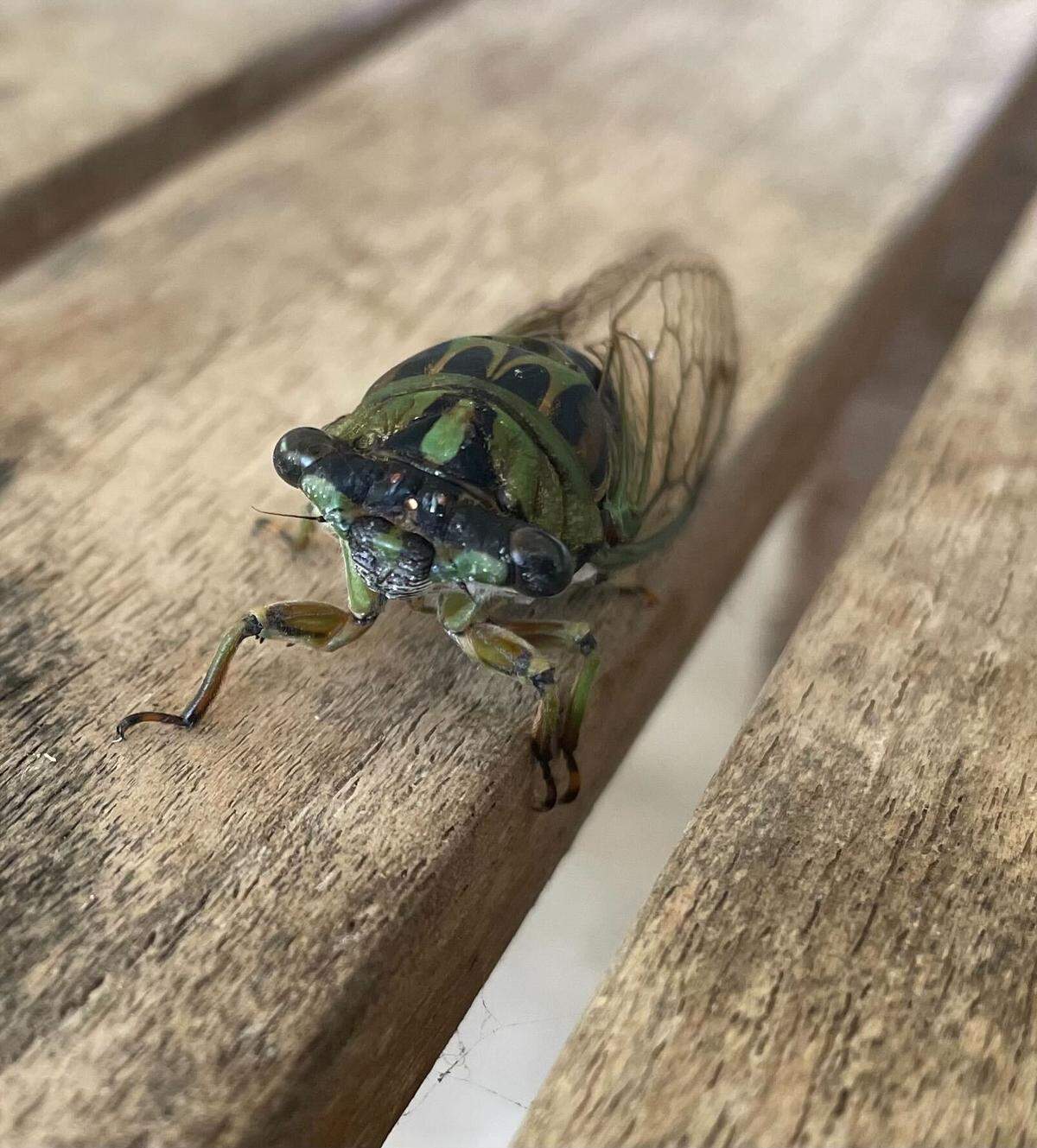
What do annual cicadas look like?
Annual cicadas insects typically have green bodies with black markings, Hayes said.
Hayes said they’re also larger than periodical ciacadas, like the Brood XIX cicadas that came out of hiding in North Carolina after a 13-year hiatus earlier this year.
Why do annual cicadas sing?
The primary reason cicadas sing is to attract mates, Hayes said.
“They are actually one of the loudest insects in the world,” Hayes said. “The females are totally silent, and they will go to the males who are singing the song.”
Cicadas can be as loud as 90 decibels, comparable to the sound of a lawn mower or motorcycle, according to the U.S. Department of Health and Human Services.
Hayes, who described the sound cicadas create as “an alien spaceship from an old movie,” explained that each male cicada serenades females with a different song, and that females are attracted to a certain type of tune.
“It would be like if a woman or was attracted to a specific type cologne,” Hayes said.
“A lot of insects use this system that they make these very small changes in pitch or in tone or in frequency to their mating calls, and they can tell it’s a completely different species. They’re speaking a completely different language.”
Are NC’s cicadas dangerous?
North Carolina’s annual cicadas are generally not considered pests, but they can cause damage to trees by feeding on their roots, Hayes said.
“If it’s a strong tree, they’re not going to bother it. But they can cause damage to trees over time depending on the size of the brood that’s feeding on them,” said Hayes.
The insects usually don’t go indoors, Hayes said, meaning they shouldn’t be a cause for concern for an infestation.
“They can be scary because of how loud they are and unexpected, but they are totally harmless, Hayes said.
“You could pick one up and hold it in your hand all day, and all it would do is is buzz or scream at you to let it go.”
When will the annual cicadas leave?
When they emerge from the soil and become adults, the insects stick around for only a few months, N.C. State Extension says.
Adult cicadas live for two to four weeks, according to Ohio State’s extension office.
This story was originally published August 22, 2024 at 11:00 AM with the headline "More cicadas? The big-eyed bugs are back in NC. Here’s what to know (+ when they’ll leave)."