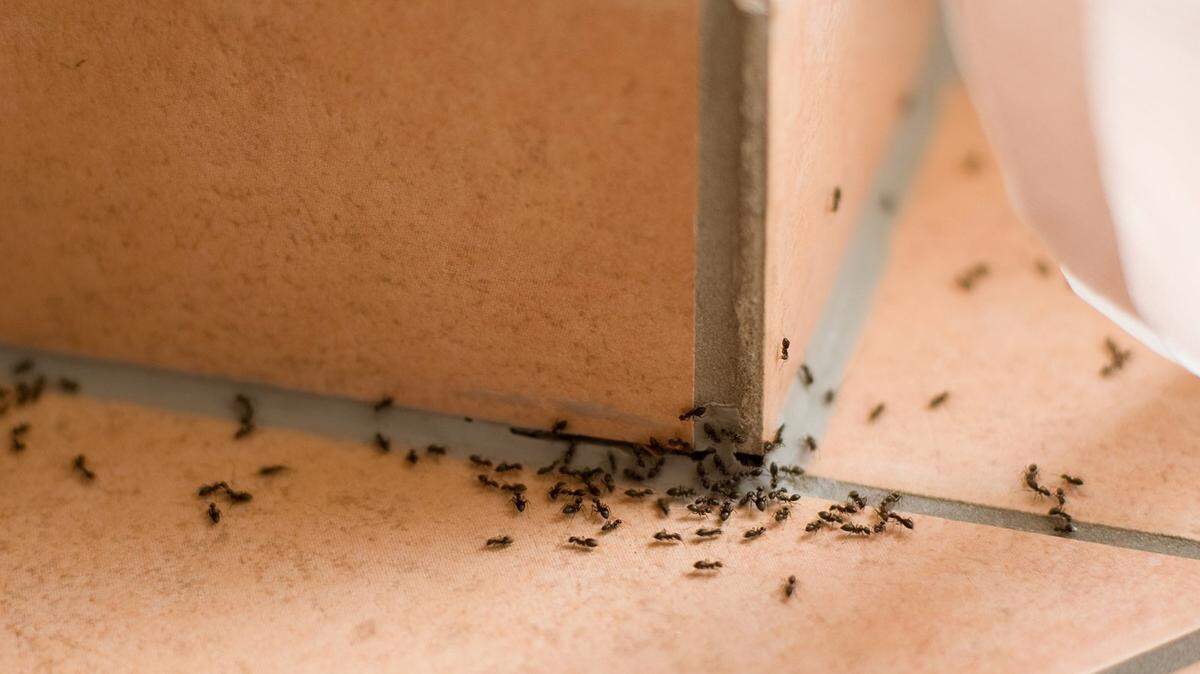
After NC summer rain, ants start marching indoors. Here’s how to keep them out
BEHIND THE STORY
MOREThe N&O Summer Desk
The N&O Summer Desk is a pop-up initiative on how to use the news from this season. Whether heading to the sand, mountains or backyard, we’re here to guide you. Share your summer pleasures and news ideas with us and tell us what you’re looking for at summerdesk@newsobserver.com.
How to Use this News:
- What should I know? Ant colonies are growing and active in the summer months, and rainstorms could drive them in numbers into our homes.
- What should I share with family and friends? To get rid of ants, follow these three steps: Exclude, sanitize and apply pesticides. (And don’t mix bait with chemical sprays.)
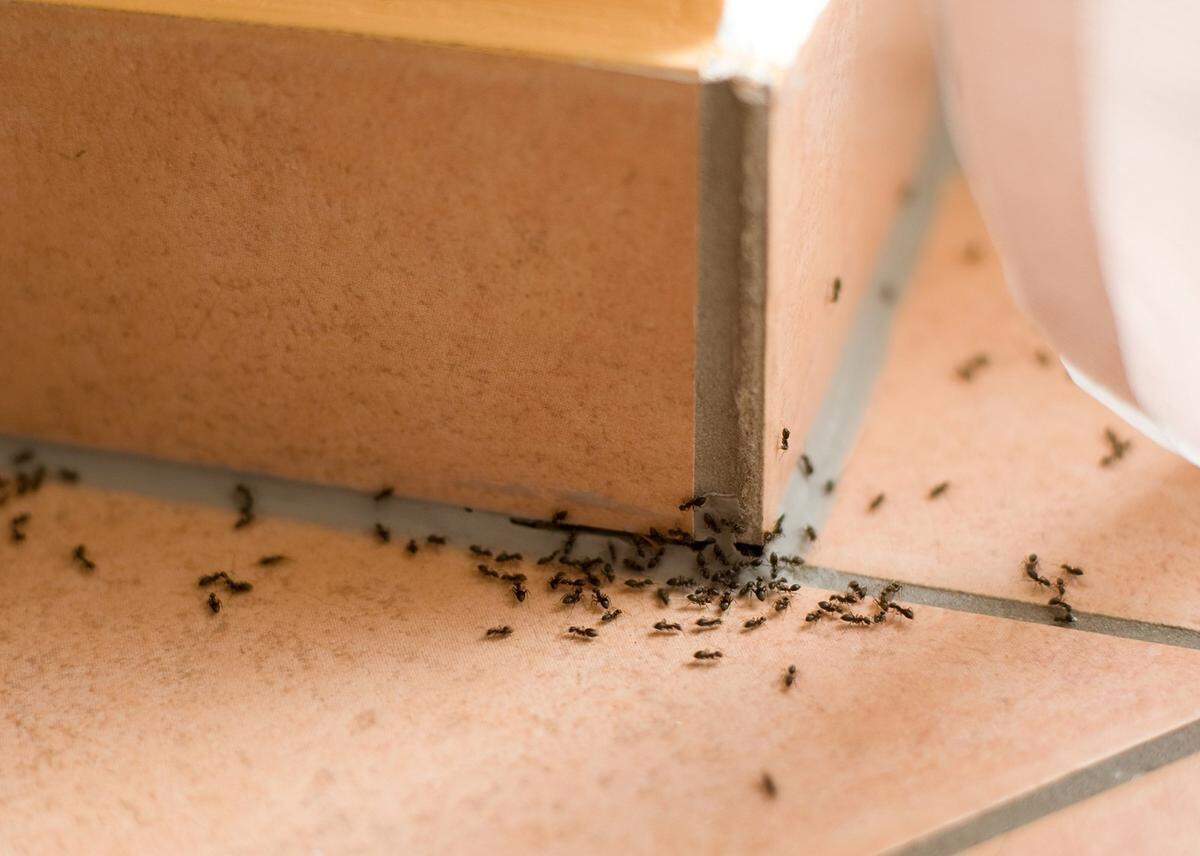
Ants are already known to enter homes during the warm weather seasons, crowding around tiny crumbs and sweet bits of sugar. Their colonies are growing and active in the summer months.
But homes can see even more ants than usual after periods of heavy rain, which can drive more ants into our living spaces.
“Drought or excess rain — the extremes — can cause ants to find new resources or nest sites,” said Matt Bertone, director of NC State Extension’s Plant Disease and Insect Clinic.
Here’s why you could see more ants after heavy periods of rain — and how to keep them out for good.
Why do we see more ants after it rains?
Sage Pest Control, a North Carolina extermination company, explained why ant problems tend to get worse after periods of rain:
• Forced relocation: Heavy rain can flood ant colonies, forcing them to relocate to drier areas. This often leads ants to seek shelter in homes or other structures.
“If their nest is drowning they will move — even with their young. I think it’s highly likely to happen in some areas,” Bertone said.
• Increased foraging: Rain can wash away the ants’ food sources, prompting them to forage more actively. This can bring ants in closer contact with homes and other indoor spaces.
“Sometimes homes are part of the foraging path and they come inside. This is often for water, but also for food. Other times the ants are actually nesting in the home and it’s their regular foraging area,” Bertone said.
• Moisture attraction: Ants are attracted to moisture, and the damp conditions following rain can draw them toward your home. This is especially true if you have areas of standing water or moisture issues around your property.
Learn more at sagepestcontrol.com.
How to get rid of ants in NC homes
Sydney Crawley, an entomologist formerly with the NC State Extension office, previously shared these three tips: Exclude, sanitize and apply pesticides.
1. Exclude: Caulking or sealing openings that could allow ants inside can prevent invasion. It might also help to trim back ornamental plants and trees that touch your home.
“There are many ant species that protect aphids that live in plants in exchange for honeydew. Branches serve as bridges that afford ants a convenient way right into your house,” Crawley said.
You should also repair rips in your screens, replace weather stripping and check around electrical conduits to ensure your home is as tightly sealed as possible.
2. Sanitize: Keep your food sealed. Ants in a home will commonly feed on food crumbs, liquid drippings or debris on dirty dishes.
“I see lots of ants in pet bowls, for instance,” she said.
Leaky faucets and standing water can attract ants as well. Correct leaky faucets and stagnant drains to keep ants away.
3. Apply pesticides: Ant baits can help most ant problems. Sugar bait with a toxicant, such as boric acid, typically works well, since many ant species that enter homes are sweet-loving ants.
This will work slowly as foraging ants take food back to the queen. You must kill the egg-laying queen to get rid of the colony.
Which kind of ant bait is best?
If you don’t see any reduction in ant activity after a week, it might be because ants are not currently feeding on sweets, so you might have to switch to a protein or fat-based carrier.
“The product label should tell you what the bait matrix is and whether it is meant for sweet-loving ants, or others,” Crawley said.
Here are some kinds of bait to consider:
Gel baits: You can apply this to the hidden areas of your home.
Granular baits: These can be put into the yard, helping attack the problem from the inside and outside.
General liquid pesticides: Ready-to-use sprays can be applied to the foundation to discourage ants (and other insects) from entering in the first place.
An important note: If you are using bait, do not spray ants or ant trails with chemical products, such as Raid aerosols, to kill them.
“This will contaminate the bait, repel ants from it, and you will be starting from square one,” she said.
Do essential oils or home remedies work for killing ants?
Most home remedies are ineffective, Crawley said, including essential oil repellents you may read about online.
“I recommend sticking with federally registered products and adhering to the label verbiage for application,” she said.
This story was originally published July 13, 2024 at 7:00 AM with the headline "After NC summer rain, ants start marching indoors. Here’s how to keep them out."