Less than two weeks after the first case in Texas, the highly pathogenic avian bird flu H5N1 has been found in dairy cows in North Carolina and seven other states.
USDA
Less than two weeks after the first case of highly pathogenic avian influenza H5N1 was found in dairy cattle in Texas, North Carolina has become one of nine states to confirm the disease in cows.
The N.C. Department of Health and Human Services said Wednesday the virus, first found in wild birds, has been detected in a dairy herd in the state.
Here’s what consumers should know about H5N1 in cows.
Are meat and dairy products safe to consume?
In a press release, DHHS said it has been conferring with the state Department of Agriculture and Consumer Services and that, “Both agencies believe the overall risk to the general public remains low.”
According to the release, “There are no concerns with the safety of the commercial milk supply at this time because products are pasteurized before entering the market.”
Pasteurization, which is sterilization through heating, deactivates viruses and bacteria.
The state warns that people should not consume or cook with raw or unpasteurized milk.
The USDA says it’s confident the meat supply is safe. “As always, we encourage consumers to properly handle raw meats and to cook to a safe internal temperature” to kill bacteria and viruses, the agency says.
What do we know about H5N1 bird flu?
One of several highly pathogenic avian flu strains, H5N1 was first identified in 1996 in domestic geese in southern China, according to the U.S. Centers for Disease Control. The next year, it began spreading to humans and eventually was known to have infected more than 860 people around the globe, killing more than half of them.
Since then, the virus has undergone genetic changes and has seen periods of faster and slower spread.
A new version of the virus appeared in 2021 and was detected in wild birds late that year in Canada and the United States. In February 2022, the CDC says, outbreaks began in U.S. commercial and backyard poultry, and sporadic infections began to be detected in mammals, including, occasionally, humans.
The person infected in 2022 recovered in a few days and health officials say the person infected in Texas is recovering now, after experiencing conjunctivitis and getting treated with an anti-viral for flu. Both cases involved workers on farms with infected animals.
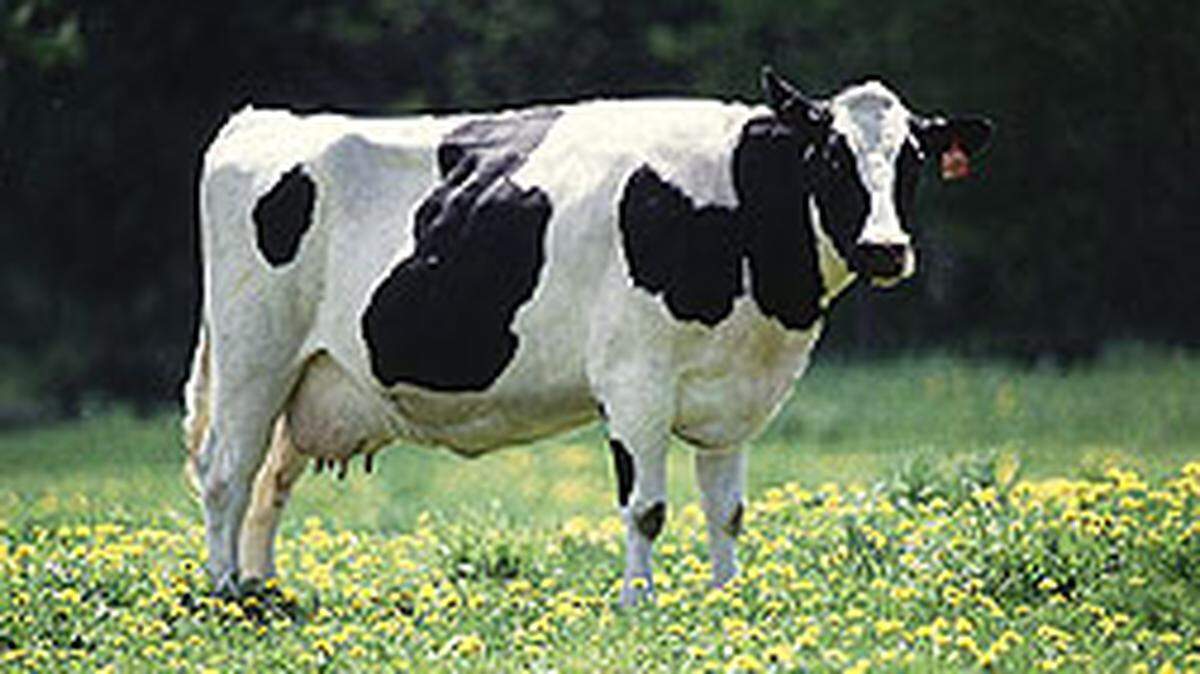
Less than two weeks after the first case in Texas, the highly pathogenic avian bird flu H5N1 has been found in dairy cows in North Carolina and seven other states. USDA
What are the symptoms of H5N1 in humans?
The CDC says human illnesses with H5N1 can range from mild symptoms such as eye infections and respiratory symptoms, to pneumonia or multi-organ failure that have resulted in death in other countries.
Spread of the virus to humans has been limited and sporadic since 2016, the CDC says.
How does H5N1 spread?
Bird flu H5N1 is more of a danger to wild and domestic birds.
The American Veterinary Medical Association and the U.S. Department of Agriculture say that in 2022 alone, more than 40 million birds in 35 states died from disease or because farmers had to destroy flocks to prevent spread of the virus.
The CDC says infected birds can shed avian flu viruses in their saliva, nasal secretions and feces. Birds can become infected through contact with surfaces that have been contaminated by infected birds.
Since the start of the outbreak in February 2022, the U.S. Department of Agriculture says nearly 86 million birds have been affected and the virus has been detected in 1,118 flocks in 48 states, including three so far this year in North Carolina.
The veterinary association says H5N1 is unusual in that it causes disease and death in dozens of species of birds, many more than previous avian flu outbreaks.
How does the virus affect mammals?
The virus has so far been found in 18 kinds of mammals in the U.S., thoughthis year marks the first time H5N1 has been detected in U.S. cattle. So far, all the herds affected in the U.S. have been dairy cows.
The USDA says that in herds that show symptoms of H5N1, an average of one-tenth of the cattle appear to be affected, and very few cows have died. Cattle producers are told to watch for:
Infected animals should be isolated to prevent the spread of illness to the rest of their herd, the USDA says.
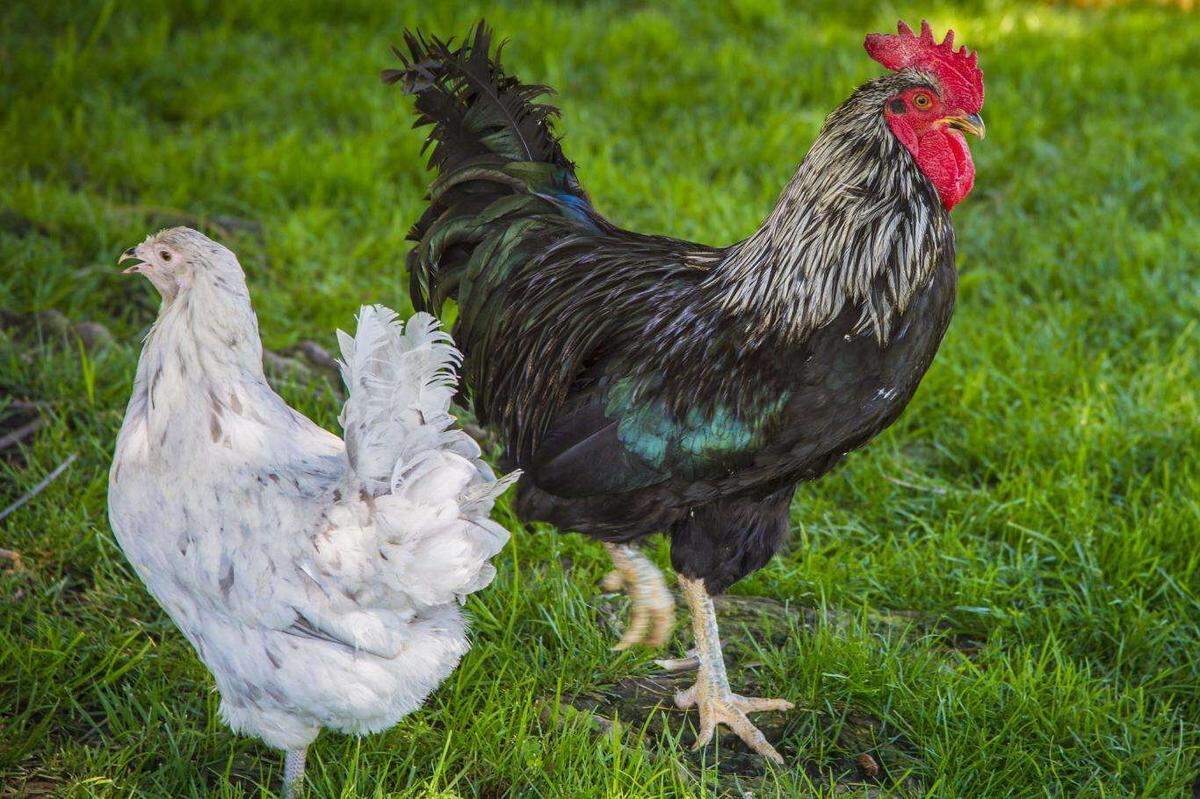
Backyard flocks remain at high risk for avian flu H5N1, which is deadly to chickens and turkeys and can be quickly spread through contact with wild birds. USDA
How can backyard flocks be protected?
Bird flu H5N1 remains highly contagious for birds and is deadly to chickens and turkeys.
N.C. State Extension. specialists say backyard birds that have the potential to come into contact with migratory birds are at the highest risk for infection.
Watch out for symptoms of avian flu H5N1, which include:
▪ Low energy, appetite, activity, & egg production