NC has an official state butterfly. Here’s how to ID it and attract it to your yard
North Carolina’s state butterfly is hard to miss — and also easy to attract to backyards by planting a variety of native plants.
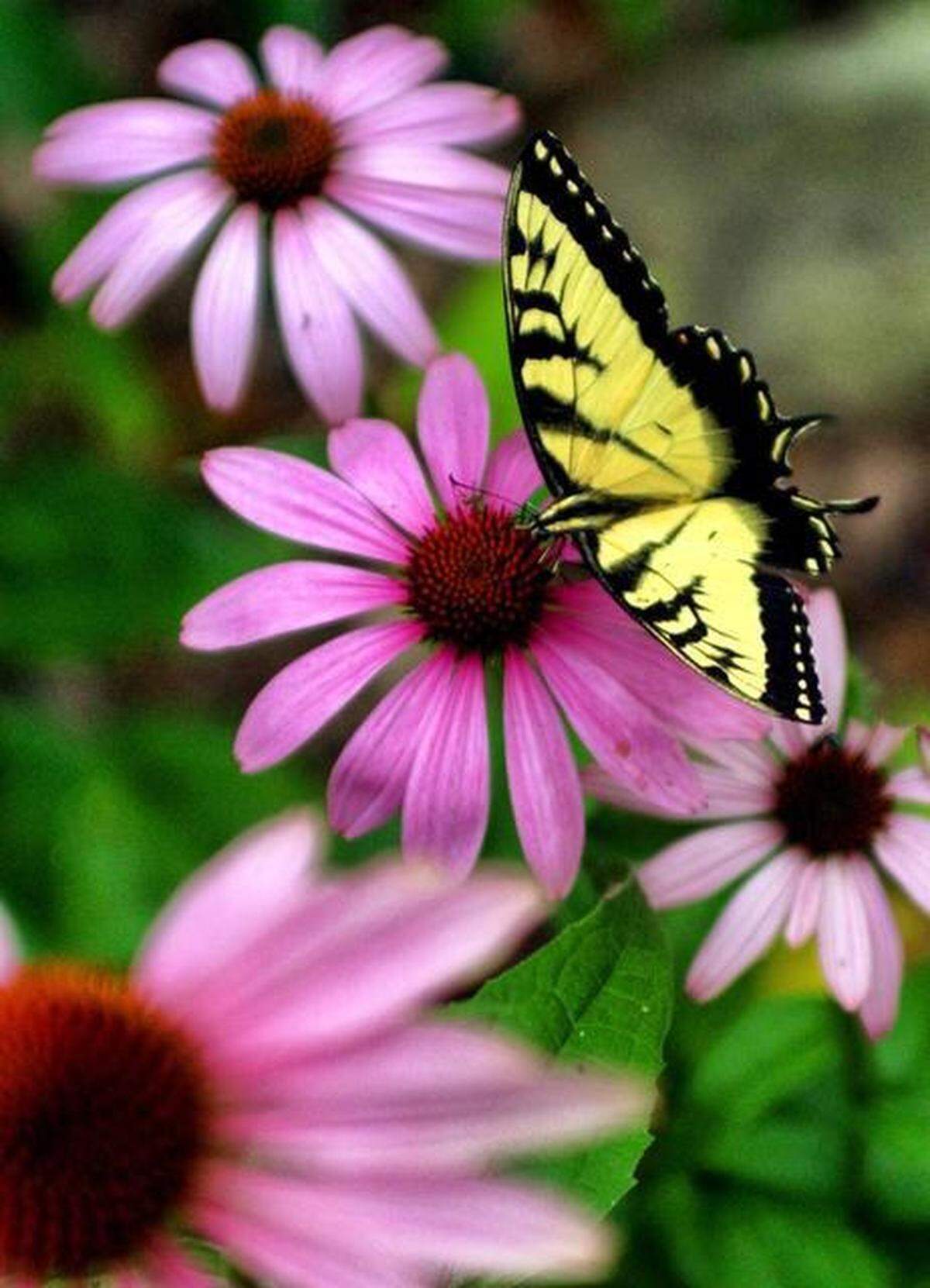
The Eastern Tiger Swallowtail (Papilio glaucus) can be bright yellow with black tiger-like stripes, and its wingspan can reach over six inches.
The News & Observer learned how to identify them (they’re in all 100 counties!) and which native plants you can put in your backyard to attract them to your home throughout the warm months.
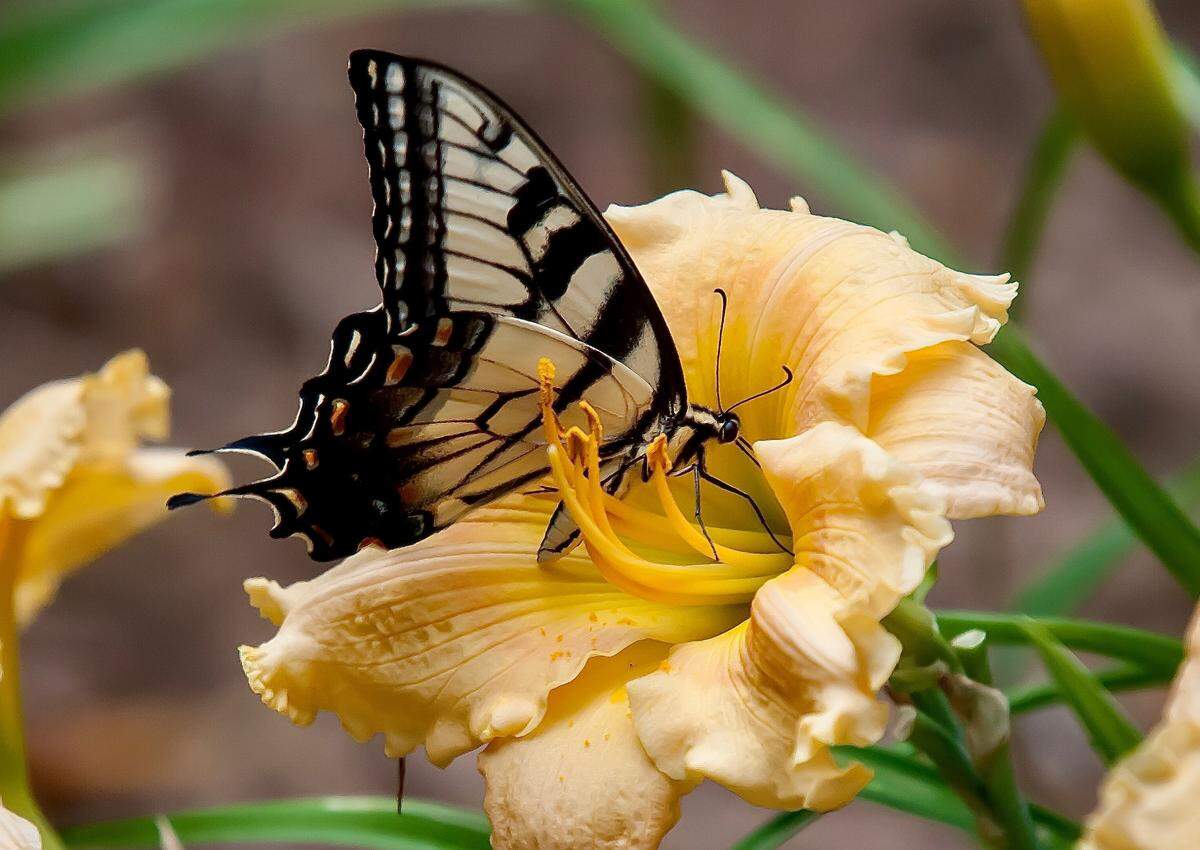
What does NC’s state butterfly look like?
The Eastern Tiger Swallowtail’s yellow and black wings can reach six and a half inches across.
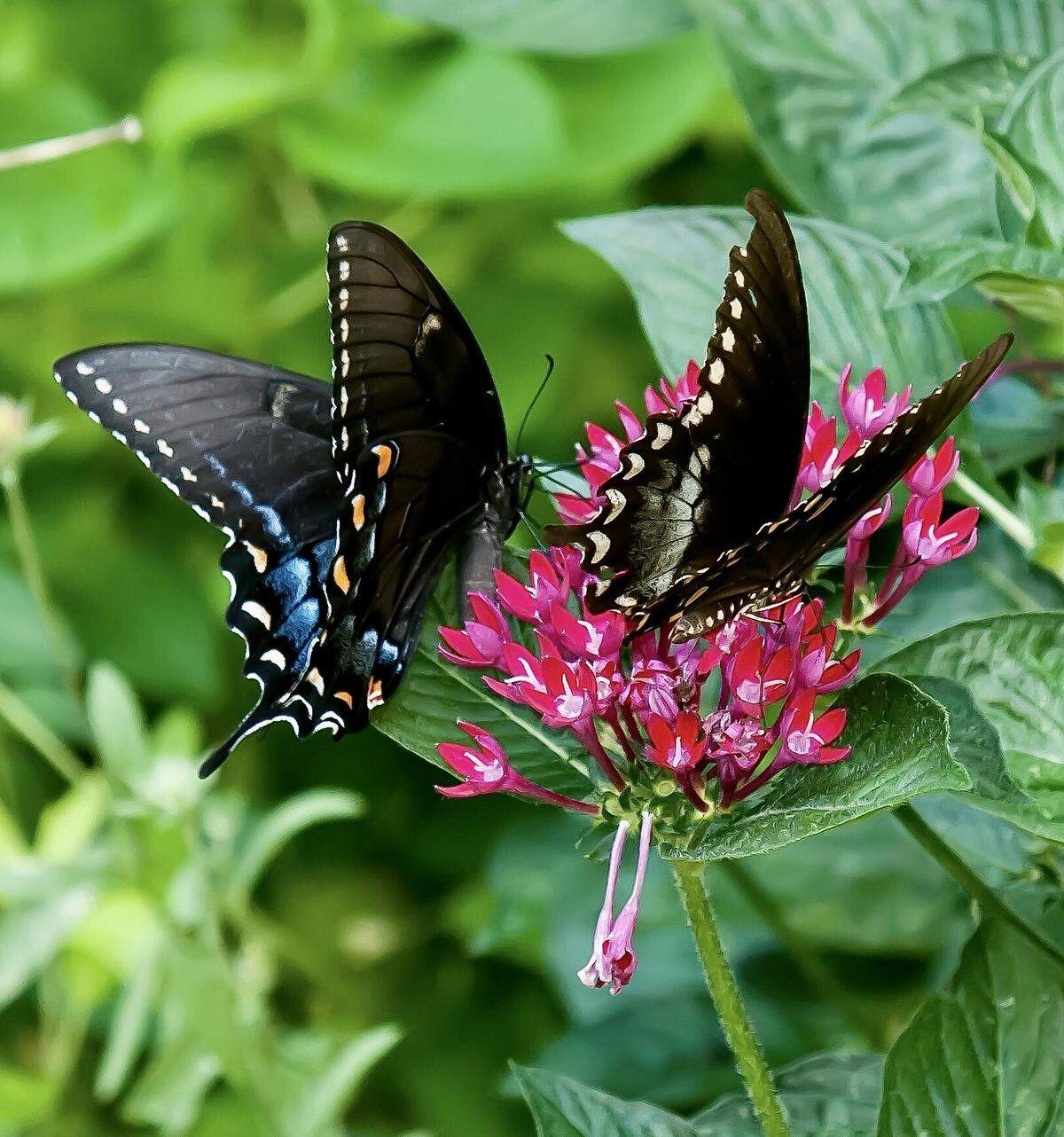
Males and females are this colorful and large, though there is another form of the female Eastern Tiger Swallowtail that doesn’t have any yellow. Instead, it has dark colors with orange spots along its wings and a blue iridescent shine on its wings’ uppersides.
About half the females in North Carolina are black instead of yellow, according to the NC Museum of Natural Sciences.
How to attract NC’s state butterfly to your yard
Butterflies and caterpillars — the larval stage of the butterfly cycle — will flourish in both rural and urban landscapes that are well designed and full of native plants. These plants provide specific food sources for caterpillars that are also native to the region.
Butterflies will visit gardens that have a variety of nectar plants for adults and host plants for caterpillars, according to NC State Cooperative Extension’s Butterflies in your Backyard guidebook.
Eastern Tiger Swallowtails love the following native plants:
White Ash (Fraxinus americana)
Yellow Poplar (Liriodendron tulipifera)
Wild Plum (Prunus americana)
Chickasaw Plum (Prunus angustifolia)
Black Cherry (Prunus serotina)
Carolina Willow (Salix caroliniana)
Black Willow (Salix nigra)
Ironwood (Carpinus caroliniana)
Smaller butterflies, like NC’s Red-Banded Hairstreak, have short proboscises (straw-like “tongues”) and are unable to reach the nectar in large blooms. But larger butterflies, including the Eastern Tiger Swallowtail, favor these trees’ larger blooms.
Their caterpillars can thrive on many types of host plants, including Cherry, Ash, Magnolia and Tulip Poplar trees. This means Eastern Tiger Swallowtail butterflies have many egg-laying options.
Add water to your butterfly habitat
Male butterflies often stop at “puddling” areas, NC State Extension says, which can include mud puddles and most soil along stream banks. This helps them ingest salts important in their sperm production.
To attract butterflies like the Eastern Tiger Swallowtail, you should incorporate water puddles and wet, sandy areas into your habitat. You can even let animal scat stay in your landscape, as this is a frequent “puddling” area for males.
Common butterflies in North Carolina
There are more than 175 butterfly species in our state.
Here are some in the swallowtail family (outside of the Eastern Tiger) you’re most likely to encounter:
Pipevine Swallowtail (Battus philenor)
Zebra Swallowtail (Eurytides marcellus)
Black Swallowtail (Papilio polyxenes)
Spicebush Swallowtail (Papilio troilus)
To learn about more common butterfly species in the state and the native plants you can add to your backyard landscape to attract them, visit content.ces.ncsu.edu/butterflies-in-your-backyard.
This story was originally published March 19, 2024 at 7:10 AM with the headline "NC has an official state butterfly. Here’s how to ID it and attract it to your yard."