Coronavirus updates for Feb. 23: Here’s what to know in North Carolina this week
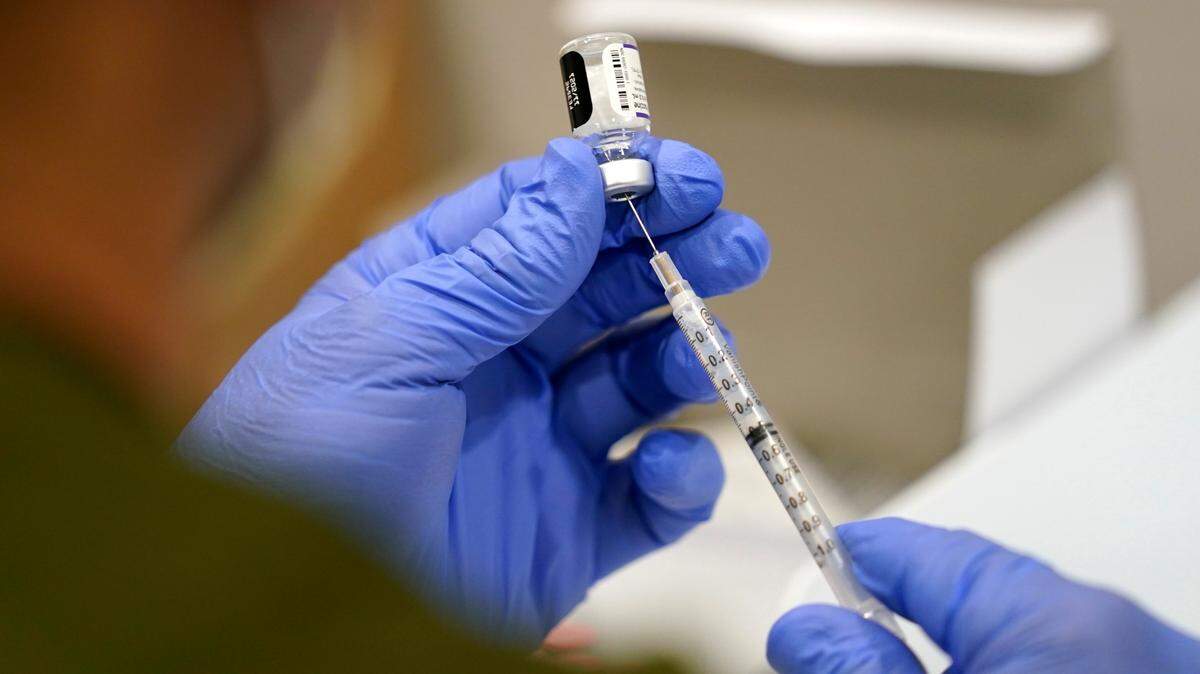
We’re tracking information about the coronavirus and vaccines in North Carolina. Check back every Thursday for updates.
Over 9,000 COVID cases added
At least 9,091 new coronavirus cases were reported in North Carolina last week, down from 11,324 the week before, according to preliminary data from state health officials.
The N.C. Department of Health and Human Services also reported 760 new weekly COVID-19 hospital patient admissions, a drop from 822 the previous week, according to figures through Feb. 18, the most recent metrics available. The daily average of adult coronavirus patients in intensive care was 102, compared with 113 the week before.
The figures — which were released Wednesday, Feb. 22 — show roughly 78% of adults in North Carolina have received at least one dose of a coronavirus vaccine, and about 74% have finished an initial round of vaccine doses. Of the state’s total population, about 63% finished their initial round and about 67% have received at least one dose. State officials round vaccination metrics to the nearest whole number.
“Out of all people who have finished their initial vaccines in North Carolina, 59% have been vaccinated with at least one booster, and 21% with an updated omicron booster,” the health department wrote on its website.
Health officials have urged those who are eligible to get boosted, as data shows it offers increased protection against the omicron coronavirus variant. Across the state, virtually all new COVID-19 cases were attributed to omicron strains in the two weeks leading up to Feb. 11, the latest time period for which data is available.
What to do if you test positive for COVID-19?
Almost three years after the coronavirus pandemic started, many people who feel sick have turned to at-home COVID-19 tests.
But those testing kits can expire, so experts recommend checking for a date on the packaging. People also can go online to check whether their test’s shelf life has been extended, McClatchy News reported on Feb. 17.
“COVID-19 tests and the parts they are made of may degrade, or break down, over time,” U.S. Food and Drug Administration wrote on its website. “Because of this, expired test kits could give inaccurate or invalid test results.”
If you test positive for COVID-19, the Centers for Disease Control and Prevention recommends staying away from others for at least five days, sharing your diagnosis with people you recently spent time with and wearing a face mask near household members. People are urged to seek medical care if they have emergency symptoms, such as breathing issues.
Also, doctors can help people at risk for serious illness with getting the antiviral drug Paxlovid and other treatment options.
Read more about the latest testing-related guidance here.
Coronavirus infections give temporary protection, study finds
A past coronavirus infection can give “durable” protection against serious illness from COVID-19, new research shows.
Still, experts say getting a COVID-19 vaccine is the best way to avoid getting seriously sick.
“Vaccination is the safest way to acquire immunity, whereas acquiring natural immunity must be weighed against the risks of severe illness and death associated with the initial infection,” Dr. Stephen Lim, a lead author on the study, wrote in a statement.
The findings were published Feb. 16 after a team from the University of Washington looked at dozens of past studies from around the world.
“The protection offered by natural immunity against COVID-19 hospitalization and death lasts for nearly a year, the study found,” McClatchy News reported. “Specifically, a person’s risk of needing hospital treatment for the virus or dying from it was 88% lower for at least 10 months.”
More information about the COVID-19 study is available here.
This story was originally published February 23, 2023 at 7:06 AM with the headline "Coronavirus updates for Feb. 23: Here’s what to know in North Carolina this week."