
Leaves are turning in NC but colors are ‘muted’ after weather delay, guides say
This story was updated Friday, Oct. 26, 2018
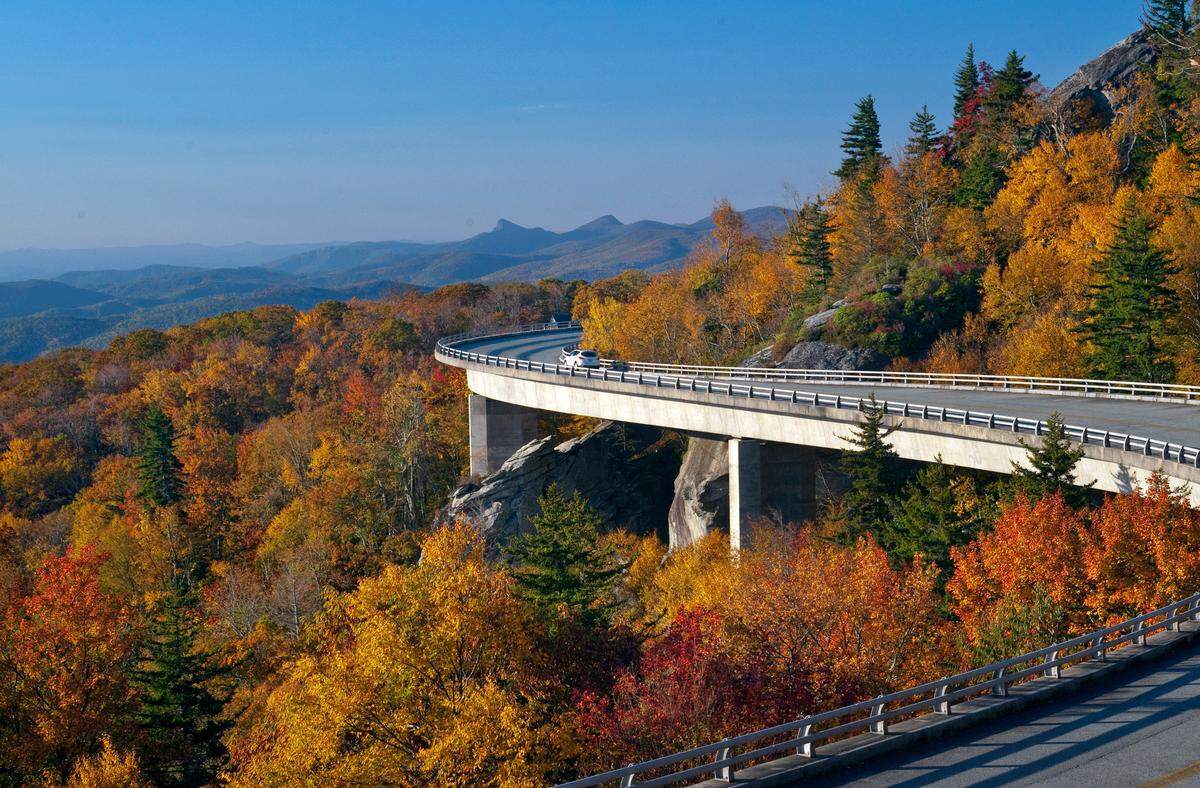
Autumn has arrived, marking the onset of brilliant colors in the mountains of North Carolina.
Though warm weather delayed the transformation of leaf colors some, cooler air has arrived to work its magic.
The Blue Ridge Parkway Association says the best fall color can be found “during the shortening days of autumn when days are bright, sunny and cool, when nights are cool but not below freezing.”
In an update on Sunday, Oct. 21, RomanticAsheville.com said the warm weather delayed the season by about two weeks, but that “colors are emerging rapidly now.” On Oct. 25, the group said “colors are starting to finally show — but muted.”
“Color is best above 3,500 feet elevation — south and north from Asheville,” the update said. “During the next 10 days, many sections of the (Blue Ridge) Parkway will peak.”
When is fall color season?
It depends on where you are.
Guide groups mostly forecast fall color based on elevation — with color spreading from the highest points down the mountains — and some variation based on weather. They generally say for every 1,000-foot decrease in elevation, color change occurs a week later.
Places like Boone and Blowing Rock, for example, typically peak by the third week of October, while the lower-elevation Asheville area doesn’t hit full color until a week or so later, according to the guides.
The latest update by Blue Ridge Mountain Life says areas above 5,000 feet should peak from Oct. 16-22, and the lowest areas should peak by mid-November.
The update has Boone and Blowing Rock reaching optimal color from Oct. 20-30, and the Asheville area from Nov. 3-9.
What determines the schedule?
Other factors can cause the color schedule to vary, the reports say, including rainfall amounts and temperatures.
A forecast map developed in the Appalachian State University biology department in 2009 adds yet another element to the formula. It considers elevation like most other maps, but it also takes latitude into account.
The university’s map also reflects research that suggests every degree of latitude north is like going up by about 200 meters in elevation.
“In other words, the same elevation in the north is cooler than the same elevation in the south, which causes the vegetation to differ,” explained Dr. Howard Neufeld, whose lab focuses on physiological plant ecology. “The resultant cooler temperatures mean that peak fall colors will come earlier to those same elevations in the north than in the south.”
This story incorporates information from past articles by The News & Observer.
This story was originally published September 26, 2018 at 6:58 PM with the headline "Leaves are turning in NC but colors are ‘muted’ after weather delay, guides say."