
Drums found buried at former Cold War Navy base on NC’s Outer Banks, officials say
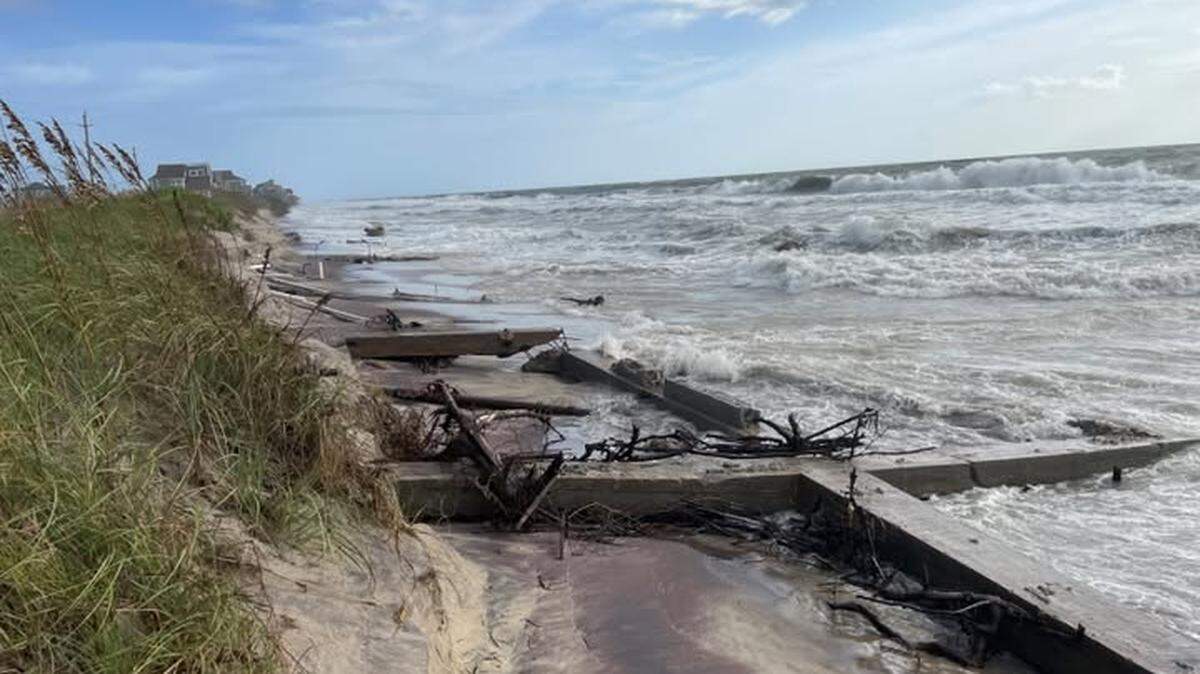
A secretive Cold War operation once located on North Carolina’s Outer Banks may have surrendered its last secret, according to the U.S. Army Corps of Engineers.
After three years of searching for the source of contamination in the soil, engineers located eight buried drums.
“Some drums were empty, and some contained a mixed-petroleum product. The drums were found near an area that was labeled on older maps as a drum storage area,” the U.S. Army Corps of Engineers, Savannah District, told The Charlotte Observer in an email.
“During the 1950s, military installations were known to utilize dedicated central heating plants to store petroleum products which could be distributed through fuel transfer lines/pipes from bulk storage tanks or drum staging areas to supply buildings across the installation with heating oil for a heating system.”
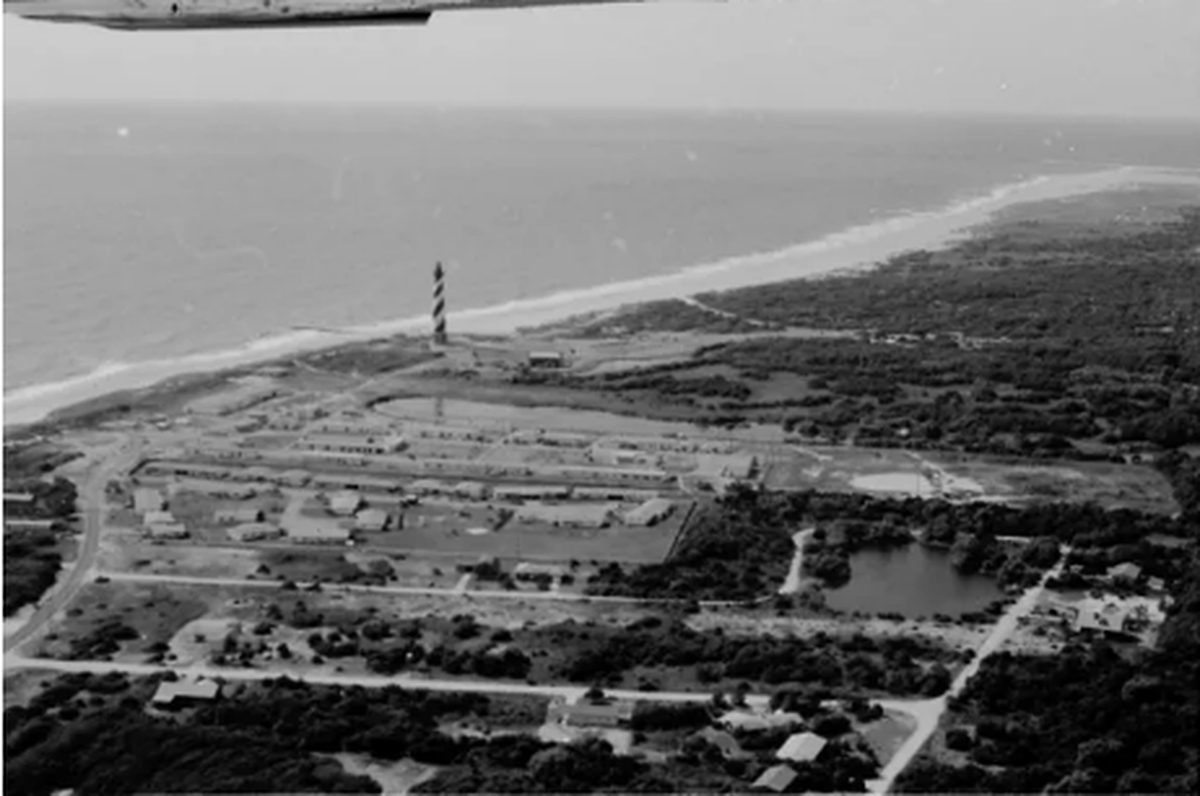
The base near Buxton was home to an undersea surveillance station starting in the late 1950s, the National Park Service says.
“The Sound Surveillance System (SOSUS) played a crucial role in the U.S. Navy’s efforts to track and monitor Soviet submarine activity during the Cold War. The system ... consisted of a network of underwater listening stations,” the National Park Service reports.
The base was shuttered in 1982, then used by the U.S. Coast Guard until 2010, the NPS says.
When the U.S. Coast Guard moved out, all the buildings were torn down, but a hazardous infrastructure remained hidden just below the surface.
It’s now a key part of Cape Hatteras National Seashore, which encompasses 28,000 acres of barrier islands.
Coastal erosion on Hatteras Island began uncovering the base’s buried foundations in 2023, and park officials soon noticed a sheen on the water and the smell of gas. A half-mile of beach was declared hazardous and closed to tourists.
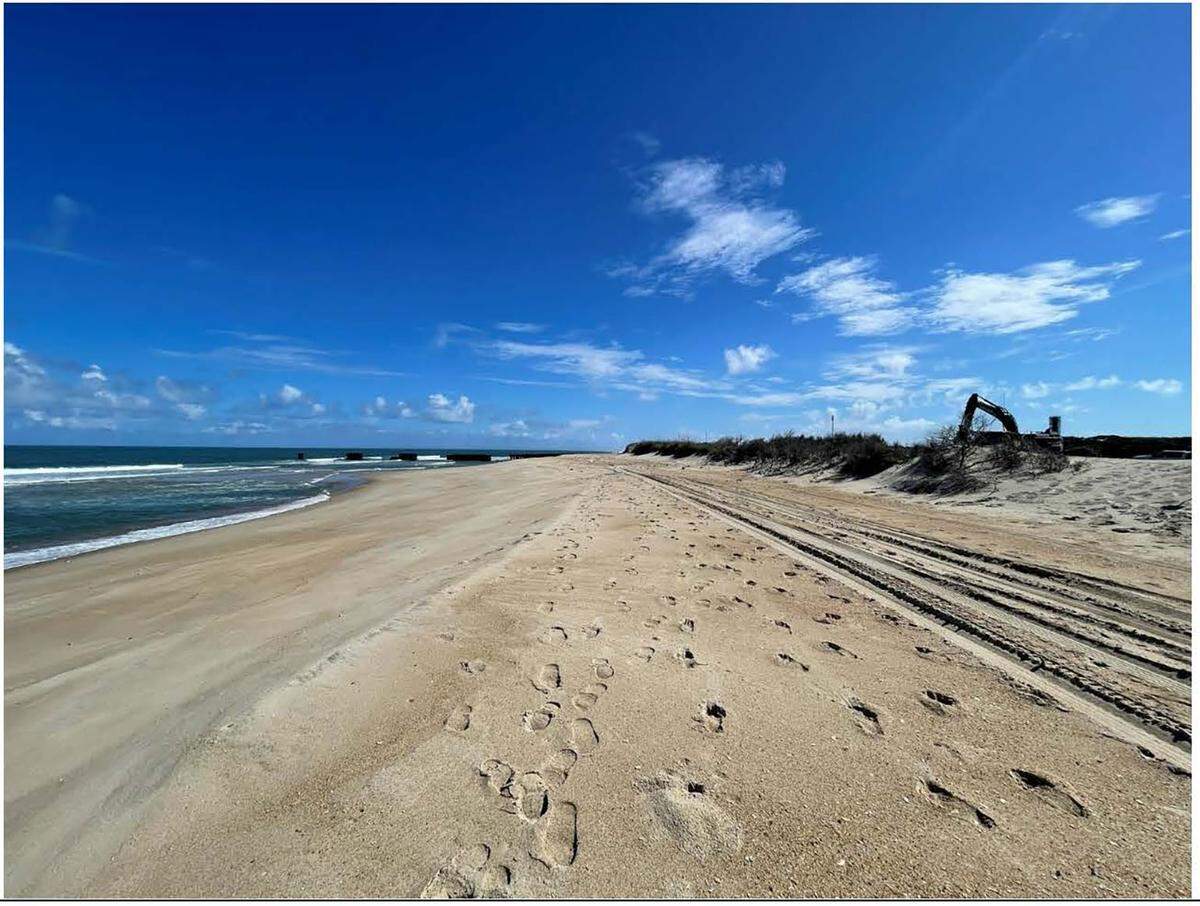
Excavations at the site were completed on May 28, after the Corps of Engineers removed 19,285 tons of “petroleum impacted soil,” 315 linear feet of asbestos pipes, and 3,050,000 pounds of concrete, abandoned utilities, fencing and asphalt, according to a news release.
“The petroleum impacted soil was located around the former heating oil plant, indicating the petroleum likely originated from a release at the plant. Some of that petroleum likely migrated under and around Building 19, which the team excavated and removed,” the Corps of Engineers said.
“In future actions, anticipated during the fall of 2026, the Corps of Engineers will begin comprehensive sampling within the project area to delineate the nature and extent of any remaining petroleum contamination within the soil and groundwater.”
Buxton is located about a 240-mile drive southeast from downtown Raleigh.
This story was originally published June 4, 2026 at 12:41 PM with the headline "Drums found buried at former Cold War Navy base on NC’s Outer Banks, officials say."