
Alligator had fishhook stuck in its eye. Then daring NC biologist plucked it out
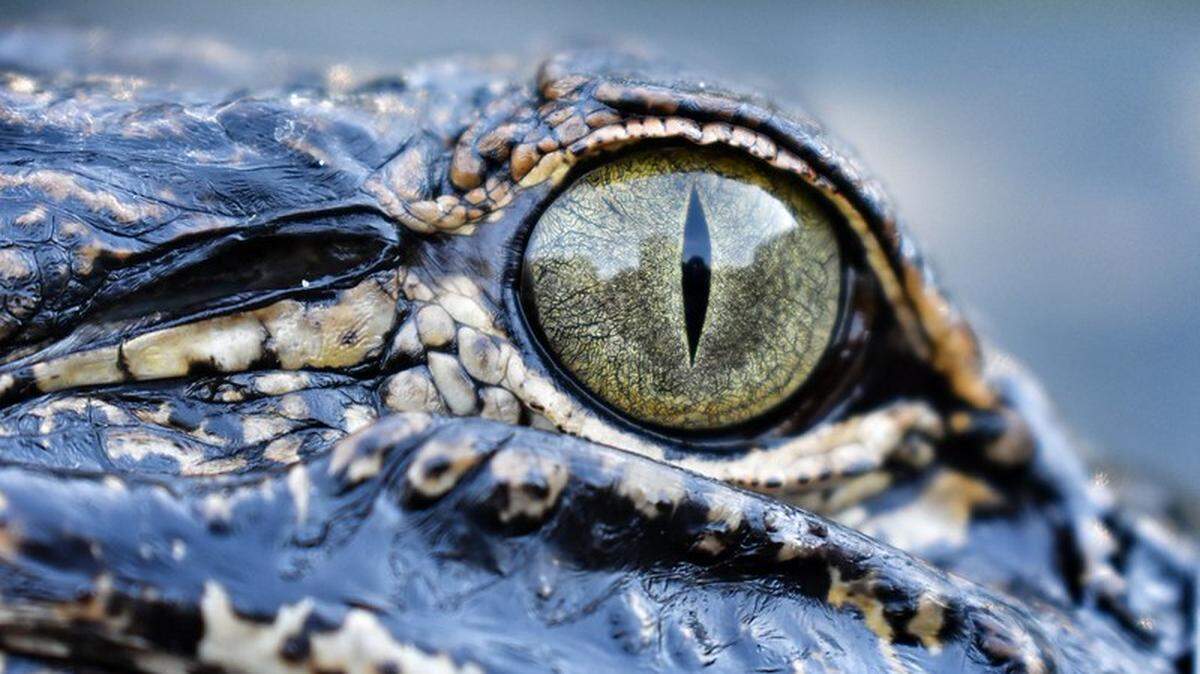
A 7-foot, 9-inch alligator was spared a life of misery when a seasoned North Carolina wildlife biologist dared to pluck a fishing hook out of its eyelid.
The unusual rescue happened April 13 in Wilmington, after a woman called the N.C. Wildlife Resources Commission to report an alligator near the Willow Glen apartments had a fishing lure stuck in its eye.
Coastal biologist John Henry Harrelson was sent to confirm the report, and he discovered the alligator actually had two hooks stuck in its face.
“It was as bad as it sounds. This animal had a 4-inch, hard plastic lure strapped to side of its face,” Harrelson told The Charlotte Observer.
“One hook was in its nictitating membrane, which is a third eyelid that allows them to see underwater. And the other hook was stuck in its sinus cavity.”
To make matters worse, things were getting stuck on the lure, causing it to pull away from the alligator’s face, he said.
“When he came up from the bottom of the pond, a chunk of moss hung on his face because of this lure,” Harrelson said. “He was keeping his eye closed. It was not operating at this point.”
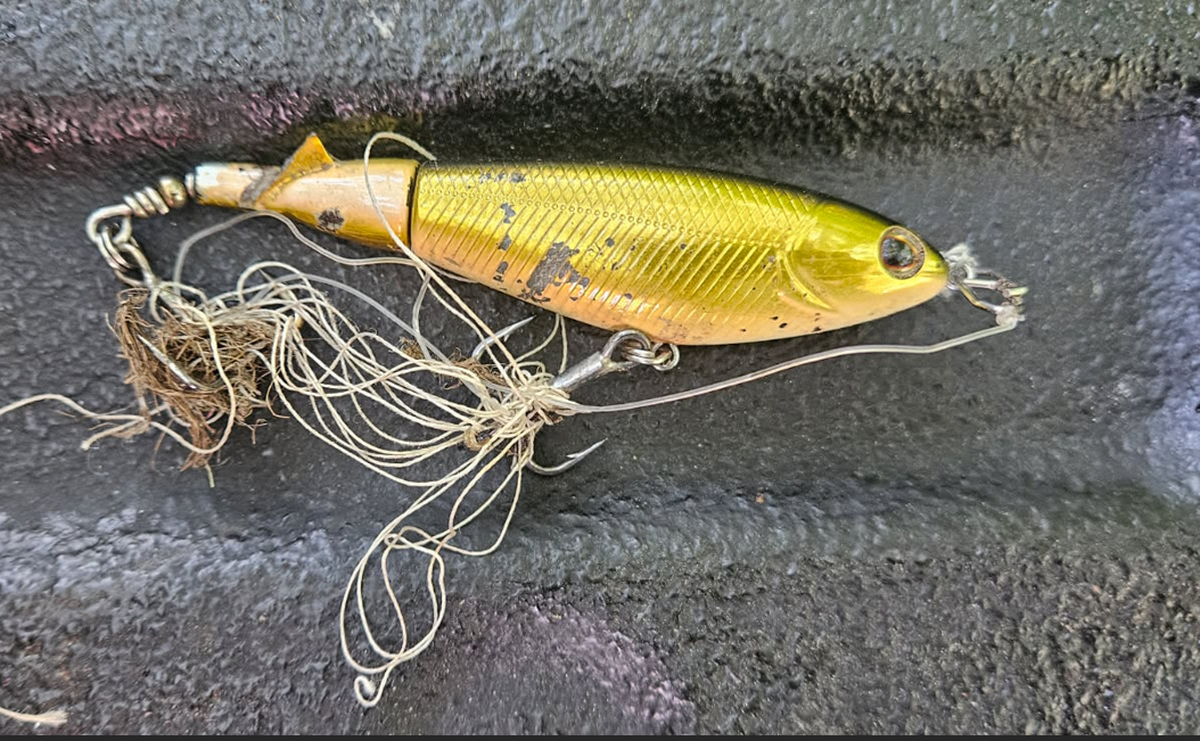
Field surgery was required, so Harrelson and wildlife technician Allison Bornkamp pulled the uncooperative alligator from a retention pond and began cutting away at a large Whopper Plopper lure, which had hooks at both ends.
“We were able to remove both of those (hooks) and when we turned the animal loose, the eye opened, and it appeared it could see us,” Harrelson said. “It reacted to me placing my hand by its eye.”
The alligator is now living its best life in the apartment community, which is home to several retention ponds and multiple alligators, he said.
It’s suspected the lure had only been in the alligator’s eye for a few days, after it encountered someone fishing in the retention pond, he said.
“We have this issue every summer with lures in alligators’ faces,” said Harrelson, who has spent the past decade working as a state biologist.
“Sometimes, it’s 100% on purpose with someone trying to catch the alligator and have an interaction with them. We don’t know in this case.”
Wilmington is about a 130-mile drive southeast from downtown Raleigh.
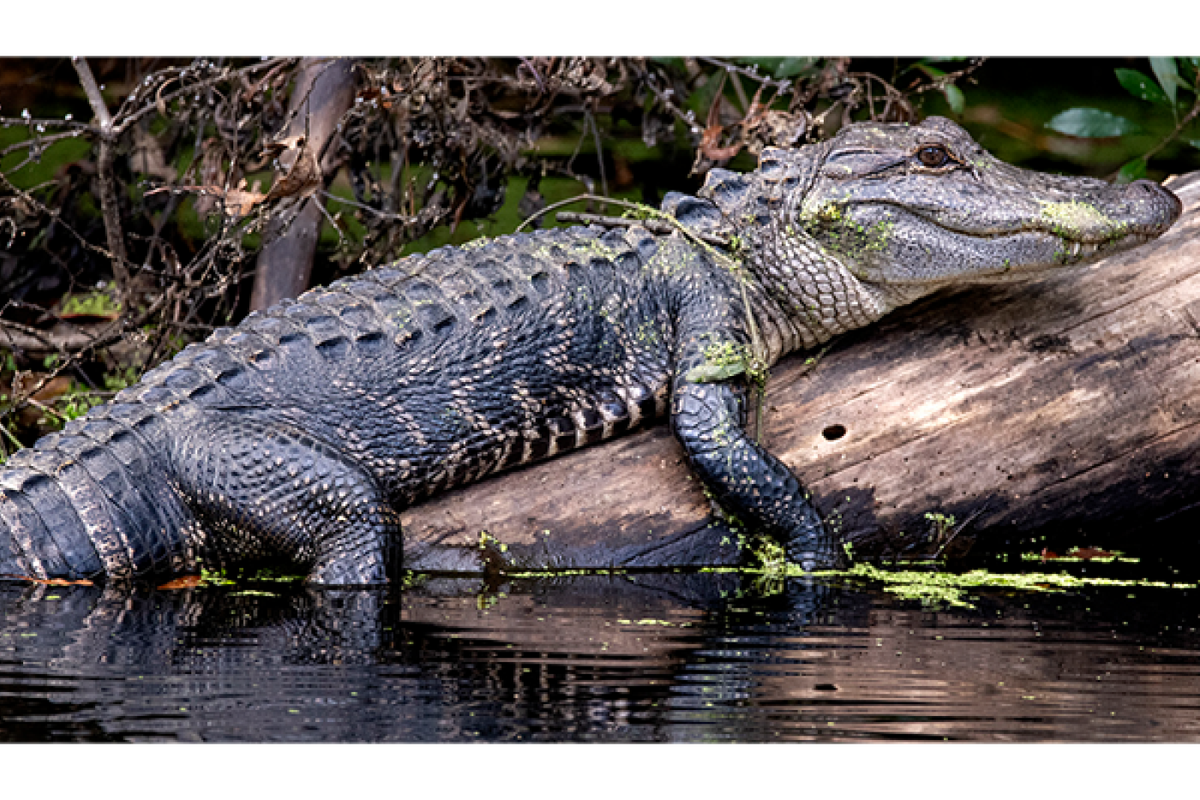
Alligator safety in NC
American alligators occur naturally “in patches” along North Carolina’s coast, which is considered the northern extent of their range in the southeast.
Males reach 12 to 13 feet and 500 pounds in the state, while females are closer to 9 feet, experts say.
Visitors to the coast are advised to follow these guidelines from the N.C. Wildlife Resources Commission:
- Do not intentionally feed an alligator and do not throw food into waters where alligators may be found. When alligators associate people with food, they are more likely to approach humans.
- Fishermen should dispose of fish scraps in garbage cans, and not throw them into water where alligators may live.
- Do not feed ducks, geese, other waterfowl, turtles or fish in areas where alligators have been seen.
- Follow local leash laws or otherwise keep pets on a leash in areas where alligators are found. Pets resemble natural prey to alligators.
- Never leave children unattended near any body of water.
- Don’t allow pets to swim, exercise or drink in or near waters that may contain alligators.
- Be particularly mindful between dusk and dawn when alligators are most active.
- Never approach an alligator and do not harass or provoke any alligator.
- If an alligator is near a residence, place of business, or interrupting traffic on a public road, call WRC at 800-662-7137.
This story was originally published April 22, 2026 at 12:01 PM with the headline "Alligator had fishhook stuck in its eye. Then daring NC biologist plucked it out."