Democrats in southern Wake weigh in on schools, taxes in House District 37 race

To help voters learn which candidates are on their ballot and where they stand on important policy issues, The News & Observer is publishing candidate questionnaires in all state and federal races in North Carolina on the March 3, 2026, ballot.
Below are the candidates running for NC House District 37 who responded to our questionnaire in order by the date their responses were received. Some candidates did not provide a photo.
House District 37 in Wake County has a Democratic primary between Ralph Clements, Winn Decker and Marcus Gadson. Erin Paré, the Republican incumbent, does not face a challenger from her own party.
Ralph Clements
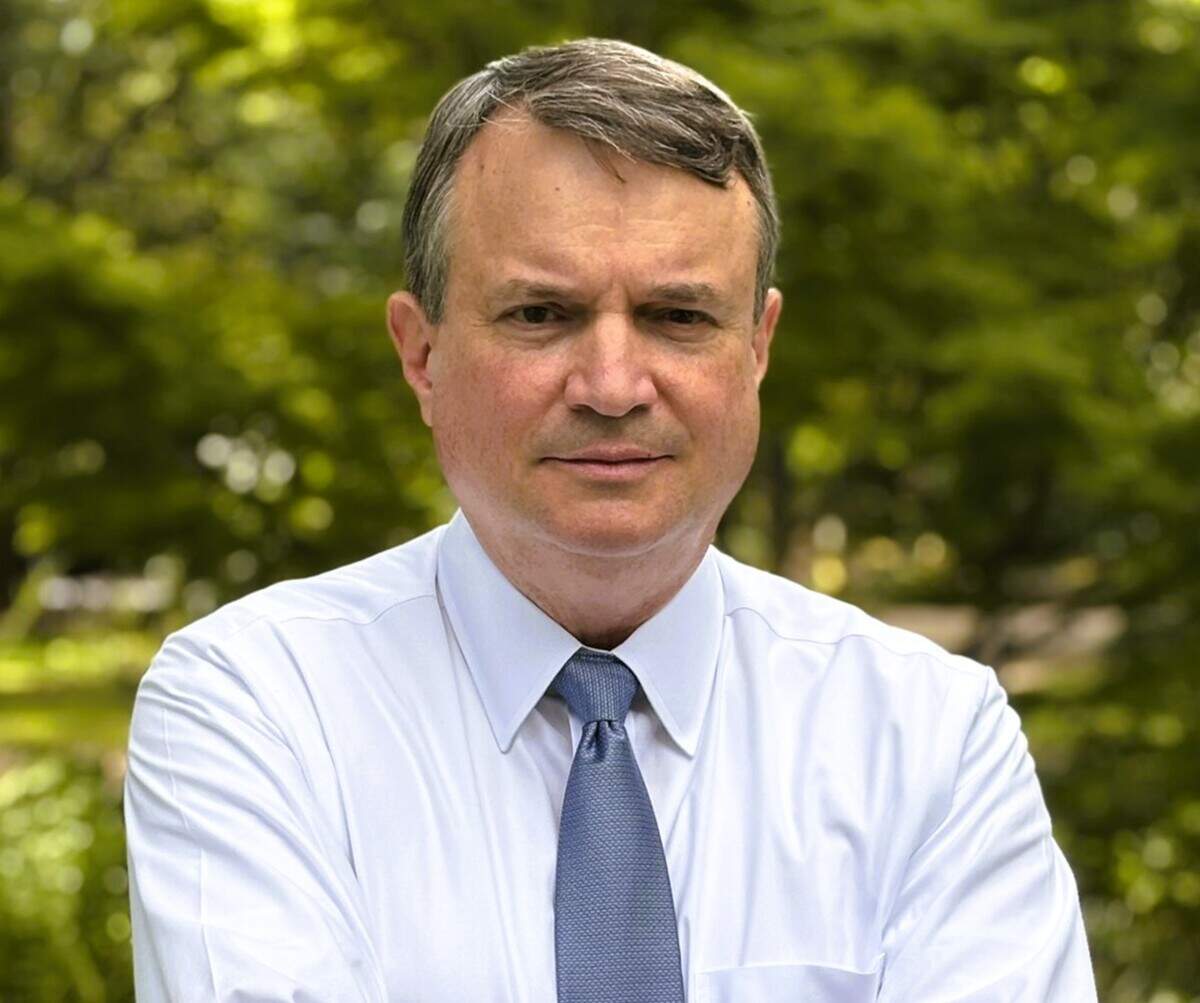
Age as of March 3, 2026: 59
Political party: Democratic
Campaign website: www.ralphclements.com
Current occupation: Consultant
Professional experience: Ralph Clements has over 35 years of business leadership experience in information technology. From application programming to project management and strategic planning, Ralph has worked in military, government and manufacturing areas. For the past 30 years, he has served mainly health care clients, working with hospitals and health systems to plan and implement information technology solutions.
Education: B.S., Computer Science, NC State University
Please list any notable government or civic involvement: Presbyterian Church Elder with leadership experience at the congregation and regional levels. Boy Scout adult volunteer for 10 years in multiple roles. Volunteer instructor for the American Red Cross
What is the most important issue in your district and what do you want to do about it? The most important issue in my district is the shutdown of state government by a small group of Republican representatives. They have refused to pass a state budget, cutting funds for critical services, and allowed our public schools to sink to the lowest levels in the country. Winning the election in District 37 will end the Republican supermajority in the House, restoring Gov. Josh Stein’s veto, and allow us to begin restoring state government and rebuilding public trust in their government.
The legislature sets teacher base pay. What do you think the salary range should be for teachers, from starting to 30+ experience? To compete with other states and adjusted for cost of living, public teacher salaries in North Carolina should start at around $50,000 and go up to $100,000 or more for educators with advanced degrees or qualifications and 30 years of experience.
As of January, North Carolina was the last state not to have passed a new, comprehensive budget. What would you do to help make sure a budget passes? End the Republican supermajority and resume normal legislative work: committee meetings, public hearings, debate and decision-making. Conduct regular town hall meetings to keep in contact with the people about their government. Work with voters to hold legislative leaders accountable for actions or inactions.
North Carolina’s income tax rate for individual taxpayers is 3.99%. Should that be reduced further? No, the individual income tax rate has dropped in recent years. Further reductions will require major program cuts and put more pressure on local governments to raise property taxes to compensate for lost state funds.
Do you think the state is using taxpayer money efficiently? Why or why not? We have good transparency on how government is funded, but efficiency also depends on whether state investments produce the desired public outcomes. We must do better in areas like education funding and aligning revenues with long-term needs to protect access to quality health care and other critical services.
Do you support legalizing medical marijuana use? Why or why not? Medical research shows some benefits and misuse risks. I support a program allowing doctors to recommend cannabis for eligible patients, with strict controls on production and distribution, similar to existing state systems that help prevent abuse.
What do you see as the biggest barrier to health care access in your district, and what actions would you take to address it? The greatest barrier is cost. To make health care affordable, we need to fully fund Medicaid, require hospitals, insurers, and providers to disclose prices for common procedures, invest more in primary, preventative care, expand telehealth services, and guard against monopolistic trends in the health care delivery market.
Winn Decker
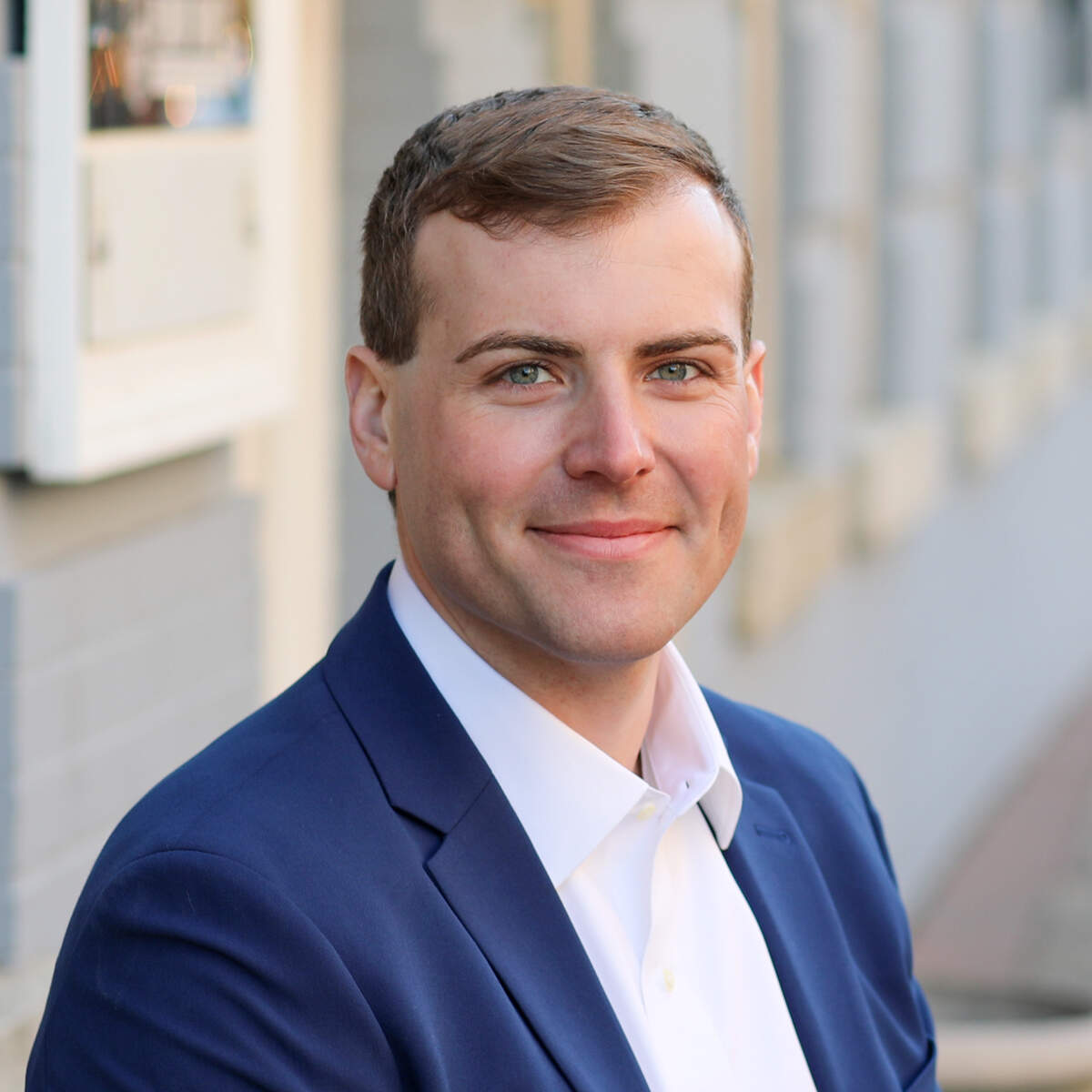
Age as of March 3, 2026: 33
Political party: Democratic
Campaign website: https://www.winn4nc.com/
Current occupation: Senior Manager, Common App
Professional experience: I work as a Senior Manager at Common App, where I focus on state-level education initiatives and partnerships. My background includes working with state agencies, governors’ offices, and legislators on education, workforce development and budget policy. I hold a Ph.D. in Public Administration with a focus on public budgeting and education policy and have previously worked at The Hunt Institute here in North Carolina and with the Senate Budget Committee on Capitol Hill.
Education: Ph.D., Public Administration, NC State University; M.Ed., Higher Education Administration, NC State University; B.S., Chemistry, Rhodes College
Please list any notable government or civic involvement.: YMCA youth basketball coach; active church member; former precinct chair
What is the most important issue in your district and what do you want to do about it? The most important issue in my district is affordability. Families in southern Wake County are being squeezed by rising housing costs, child care expenses, and longer commutes, even as the region grows. I want to make growth work for the people who already live here by increasing housing supply, coordinating infrastructure and transportation, fully funding public schools, and being honest about how state budget decisions affect household costs.
The legislature sets teacher base pay. What do you think the salary range should be for teachers, from starting to 30+ experience? Teachers should be paid as the professionals they are. I support starting pay of at least $60,000, with a clear salary schedule that allows experienced teachers to earn $90,000 to $100,000 or more over a full career. Compensation should also include strong benefits, including retirement security, incentives for advanced education, and support for mentoring and leadership roles.
As of January, North Carolina was the last state not to have passed a new, comprehensive budget. What would you do to help make sure a budget passes? Passing a budget is a basic responsibility of governing, and failure to do so creates real harm for state employees, teachers, families, and local governments. I would work across the aisle to build the support needed to get a budget done, while being clear that leadership must bring people to the table. Good budgeting requires realistic revenue projections, clear priorities, and discipline so budgets pass on time and communities can plan.
North Carolina’s income tax rate for individual taxpayers is 3.99%. Should that be reduced further? North Carolina is facing a fiscal cliff of roughly $800 million by 2027 as corporate income taxes are phased down to zero. We need to be honest about how further revenue losses affect our ability to fund basic services. Recent tax cuts have shifted costs onto local governments through higher property taxes, fees or service cuts. Sustainable affordability requires a stable revenue base to fund schools, infrastructure, and public services without pushing costs onto working families.
Do you think the state is using taxpayer money efficiently? Why or why not? The state is not using taxpayer dollars as efficiently as it could. North Carolina is sitting on a historically large rainy day fund while people lose access to health care, Western North Carolina continues storm recovery and real needs go unmet. Efficiency is not just about spending less. It is about investing at the right time. When agencies like the state’s Department of Transportation face growing backlogs, delaying action only increases costs and hurts communities.
Do you support legalizing medical marijuana use? Why or why not? Patients with serious medical conditions should have access to safe, regulated treatment options recommended by their doctors, without having to navigate legal gray areas or leave the state to receive care. North Carolina already has an established hemp industry. A medical marijuana program should build on that foundation with clear standards, testing, and oversight. Any broader legalization should be approached carefully, with attention to youth exposure and public health.
What do you see as the biggest barrier to health care access in your district, and what actions would you take to address it? The biggest barriers to health care access in my district are cost and lack of clear information. High out-of-pocket expenses, confusing coverage rules, and uncertainty about eligibility keep people from getting care even when services exist. The state should focus on strengthening coverage, reducing cost barriers, and improving outreach so residents understand their options, including defending Medicaid expansion and supporting community-based providers.
Marcus Gadson
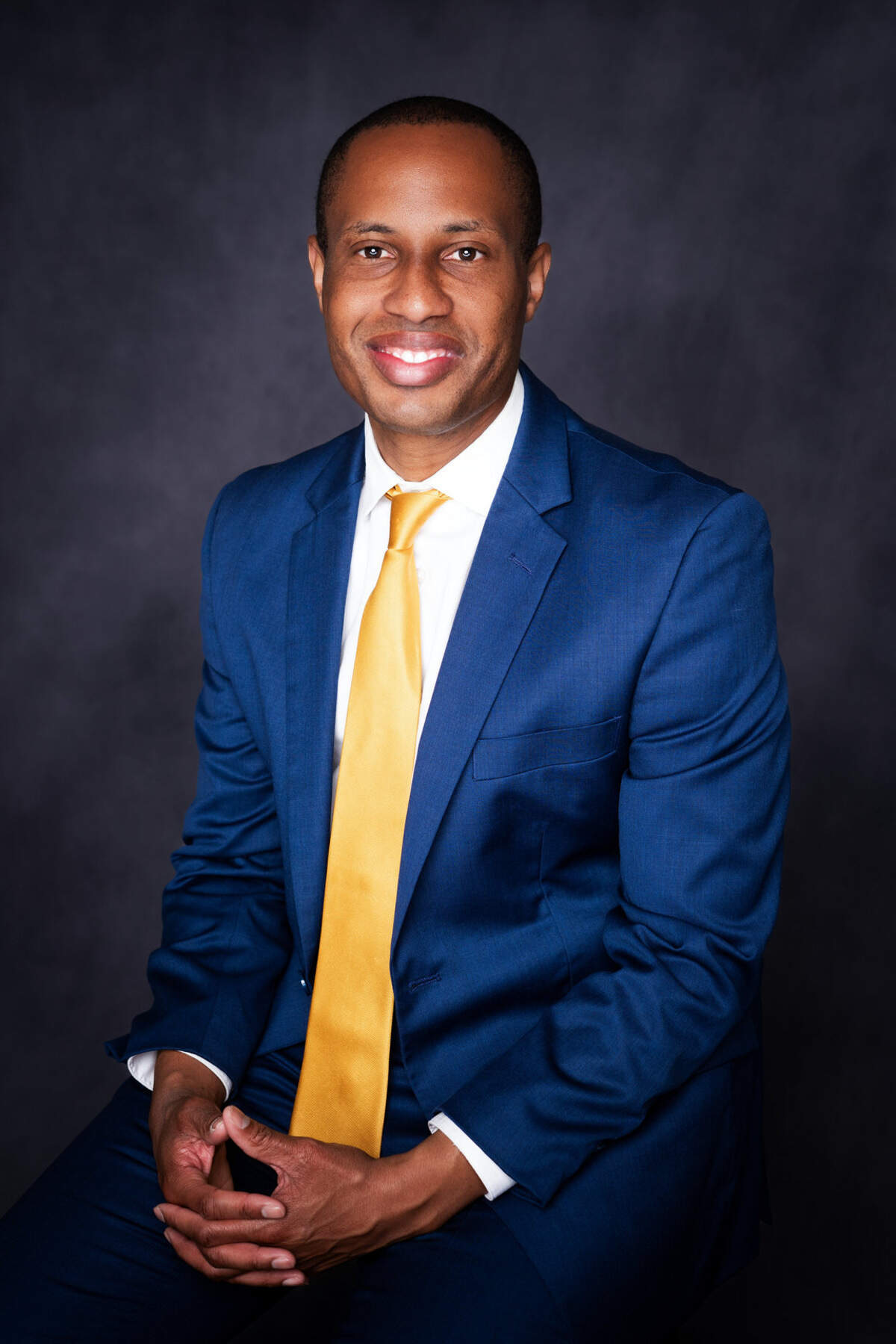
Age as of March 3, 2026: 38
Political party: Democratic
Campaign website: https://gadsonfornc.com
Current occupation: Law professor
Professional experience: I currently serve as a law professor at UNC-Chapel Hill, where I teach courses on the North Carolina Constitution and state constitutions generally. Before that, I taught at Campbell University Law School, where I won an award for outstanding teaching every year I was on the faculty. I have written a book about the history of constitutional crisis, Sedition: How America’s Constitutional Order Emerged From Violent Crisis.
Education: J.D. from Harvard Law School. B.A. with high honors from Dartmouth College.
Please list any notable government or civic involvement.: I have worked to serve the community over the past several years as a member of the North Carolina Advisory Committee to the U.S. Commission on Civil Rights, a secretary in the Raleigh-Apex NAACP branch, a member of the governing board of the North Carolina ACLU, and a member of the Local Rules Advisory Committee for the Eastern District of North Carolina to draft and revise local rules of civil procedure.
What is the most important issue in your district and what do you want to do about it? Many North Carolinians struggle to pay for basic necessities and save money despite working hard. In the legislature, I will spend every day working to make North Carolina the most affordable place in America to live and raise a family. I will also do everything in my power to help those willing to work hard and play by the rules to own a home, get the training they need to pursue their career, and save for a dignified retirement.
The legislature sets teacher base pay. What do you think the salary range should be for teachers, from starting to 30+ experience? Some statewide variation is appropriate, given that what counts as a competitive salary in Charlotte might differ from what it is in Elizabeth City. In the near future, I would like to see our average teacher salary statewide reach at least $69,000, which would match Virginia’s average teacher salary. In the long term, I would like to see public school teachers paid like university professors. They have a harder and more important job.
As of January, North Carolina was the last state not to have passed a new, comprehensive budget. What would you do to help make sure a budget passes? The failure to pass a budget is catastrophic. It hinders our state’s ability to meet its moral obligations and grow economically. In the short term, I would work as hard as I could across party lines to help build consensus, since any budget will require buy-in from at least some Republicans. As an official, I will also highlight stories of people affected by our failure to pass a budget, such as patients receiving Medicaid or parents affected by teacher vacancies.
North Carolina’s income tax rate for individual taxpayers is 3.99%. Should that be reduced further? It is important to maintain a competitive tax and business climate while preserving enough funds to make the investments our state needs. At this time, I do not believe our state should further reduce rates for high-income individuals or corporations. Instead, we need to focus on fully funding public schools, shoring up Medicaid, and providing the criminal justice system the resources it needs to lower crime across the state. In addition, we need to preserve revenue to avoid a budget deficit.
Do you think the state is using taxpayer money efficiently? Why or why not? I believe the state sometimes fails to use taxpayer money efficiently. An example is in the criminal justice system. Crime is a real problem that destroys lives. That’s why we need to ensure that our prisons rehabilitate those convicted of crimes so that they don’t reoffend when released. Yet almost 50% of those who serve time in a North Carolina prison commit crimes after release. Efficiently spending taxpayer resources would mean investing in reducing our recidivism rate.
Do you support legalizing medical marijuana use? Why or why not? Yes, I support legalizing medical marijuana. We should ensure that, when a doctor’s informed medical judgment is that medical marijuana would help a patient, the doctor has the option to prescribe medical marijuana.
What do you see as the biggest barrier to health care access in your district, and what actions would you take to address it? I believe health care is a human right and that protecting it is essential to promoting the dignity of our citizens. The biggest barrier is our failure to adequately invest in Medicaid. We need to address the reimbursement rate for medical services. It is currently too low in many cases. The result is that many medical providers don’t accept Medicaid patients or limit the number of Medicaid patients they see. I will therefore advocate increasing Medicaid reimbursement rates.
This story was originally published February 14, 2026 at 5:00 AM with the headline "Democrats in southern Wake weigh in on schools, taxes in House District 37 race."