Most people ICE arrested in NC go to detention sites where force was used 50 times
Most of the 6,000-plus people ICE arrested in North Carolina since the beginning of President Donald Trump’s second term were sent to a pair of detention facilities where guards have used force against detainees 50 times.
The sites are in Georgia: the Stewart Detention Center about 150 miles south of Atlanta and the Folkston ICE Processing Center about 50 miles north of Jacksonville, Florida.
The federal government keeps details sparse about what happens in its detention centers. But a recent Washington Post investigation revealed that staff have punched, kicked, restrained, fired pepper spray and tased people in their facilities nationwide.
Post reporters analyzed about 1,460 cases where guards reported using force against detainees since January 2024, most of which occurred in 2025, the first year of this Trump administration.
Post reporters published the data with their story, making it available for anyone to use. The Charlotte Observer reviewed what they found in Georgia detention centers where most people arrested in North Carolina go.
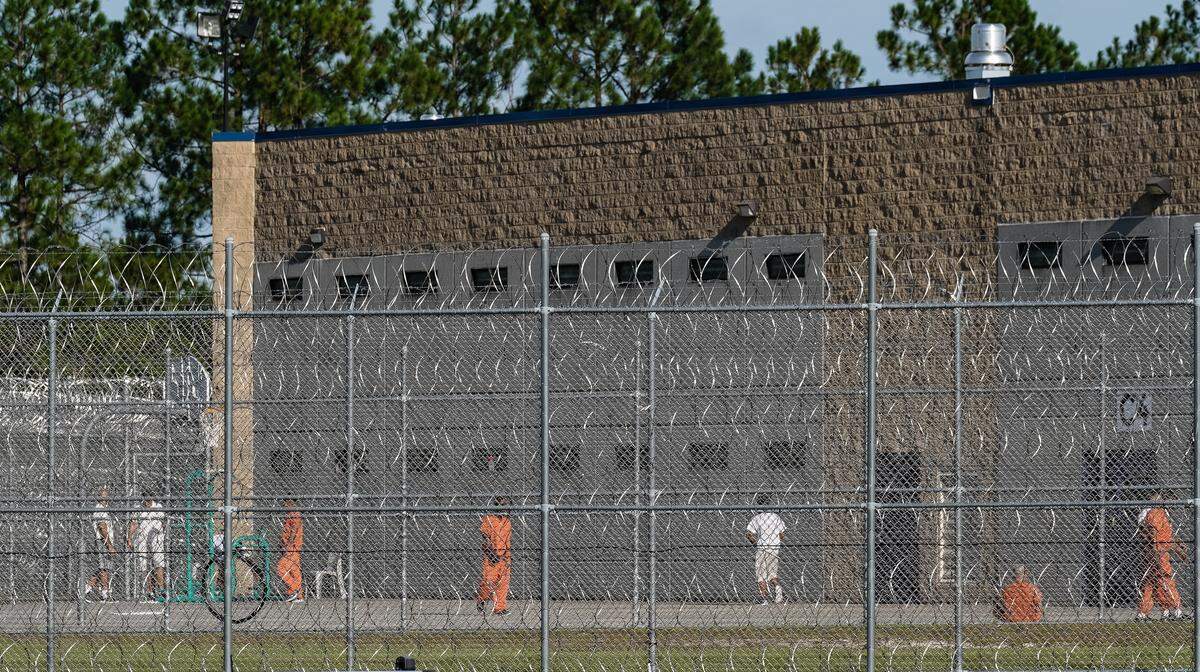
Force at ICE detention centers in Georgia
People arrested in North Carolina by ICE get shuffled to various facilities before being released or deported, but most serve the longest stints at Stewart and Folkston, according to a Charlotte Observer analysis of federal data obtained by the U.C.-Berkeley-based Deportation Data Project.
Some spent nearly a year at Stewart, including a Venezuelan man who had no pending charges or criminal convictions. He was arrested in the Charlotte area Jan. 30, 2025, and was deported to Mexico this past January.
Stewart, where more than 3,600 people arrested by ICE in North Carolina have gone, reported agents used force 21 times against detainees since Trump took office, according to the Post data.
Some narratives describe staff using pepper spray on inmates at Stewart, while others only refer to “use of force.” In one case from last year, guards there sprayed 35 detainees when they refused to go to their cells because, they told the guards, they had not received medical care.
Folkston, which has taken about 1,000 people arrested in North Carolina, reported 29 times guards used force, according to a Charlotte Observer review of the Post’s data.
In both places, records specified that there were no injuries in all but one case. In February 2025 at Folkston, one Honduran man was “escorted to medical” after a use-of-force incident.
“Staff determined the detainee’s condition does not require transfer to an outside medical care provider,” according to the narrative.
The Current, a nonprofit journalism outlet in Georgia, reported last year that Folkston has a history of violations regarding safety, security and care for detainees. One man died there in 2024 after delayed medical treatment, according to the Current.
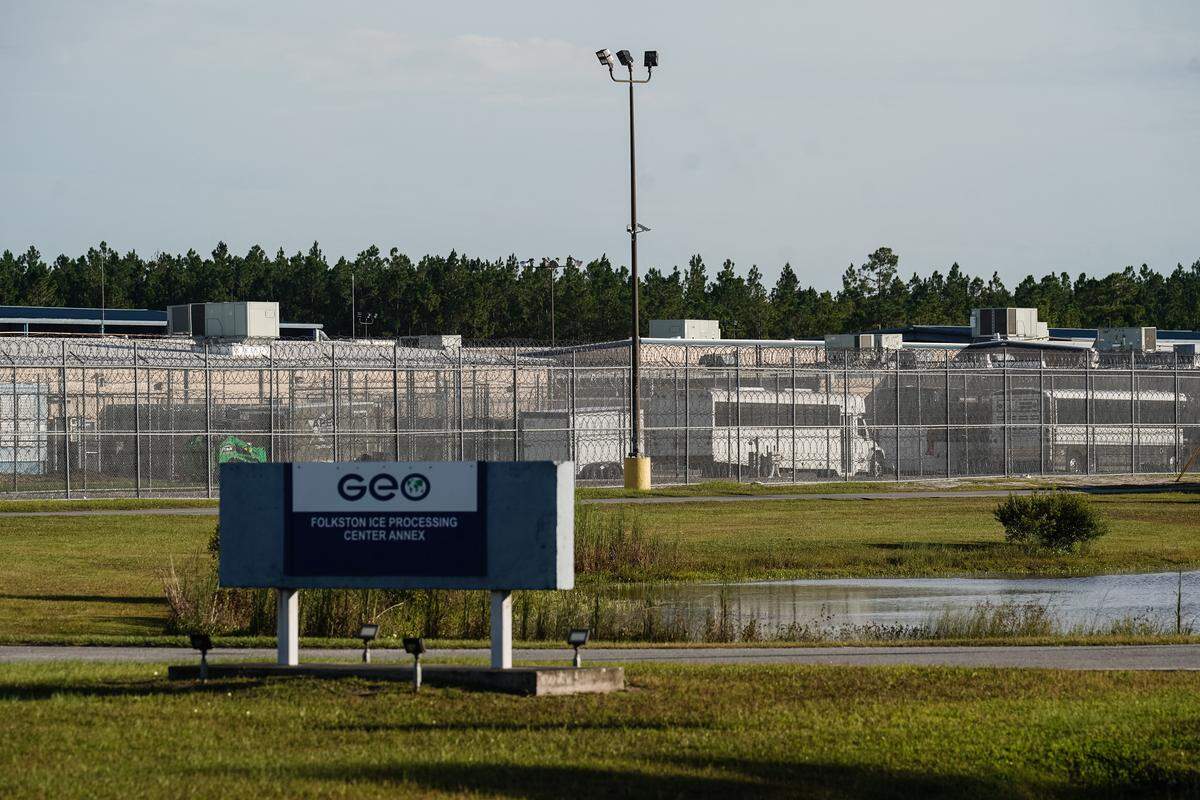
ICE provides vague details
The Washington Post built its database from internal ICE emails called “Daily Detainee Assault Reports.”
The description of force incidents get less detailed with time. Biden-era narratives were more descriptive than ones during the Trump era.
For example, Stewart authorities reported in February 2024 that they used two bursts of pepper spray on a Salvadoran national after he didn’t comply with verbal commands. Staff put the man in restraints and took him away to decontaminate. Medical staff evaluated him and determined he had no injuries, according to the data published by the Washington Post.
Recent Trump-era narratives mostly read like this: “Enforcement and Removal Operations Atlanta reported the use of force on a Mexican national detainee while housed at the SDC in Lumpkin, Georgia. No injuries were reported. ERO leadership was notified.”
The Department of Homeland Security did not answer Charlotte Observer questions about their use of force policies and how cases are documented.
Who goes to ICE detention centers?
Mexican citizens are the most common detainees arrested in North Carolina since January 2025, followed by Honduran and Guatemalan citizens. About 1,100 people had no criminal convictions or pending criminal charges. Another 2,100 had pending charges, but ICE did not share what those charges were.
About 2,300 people from North Carolina who were detained had criminal convictions, or about 40%.
The most common charges cited among them were driving drunk and traffic offenses. Other common charges included assault, illegal entry into the country, larceny and drug trafficking.
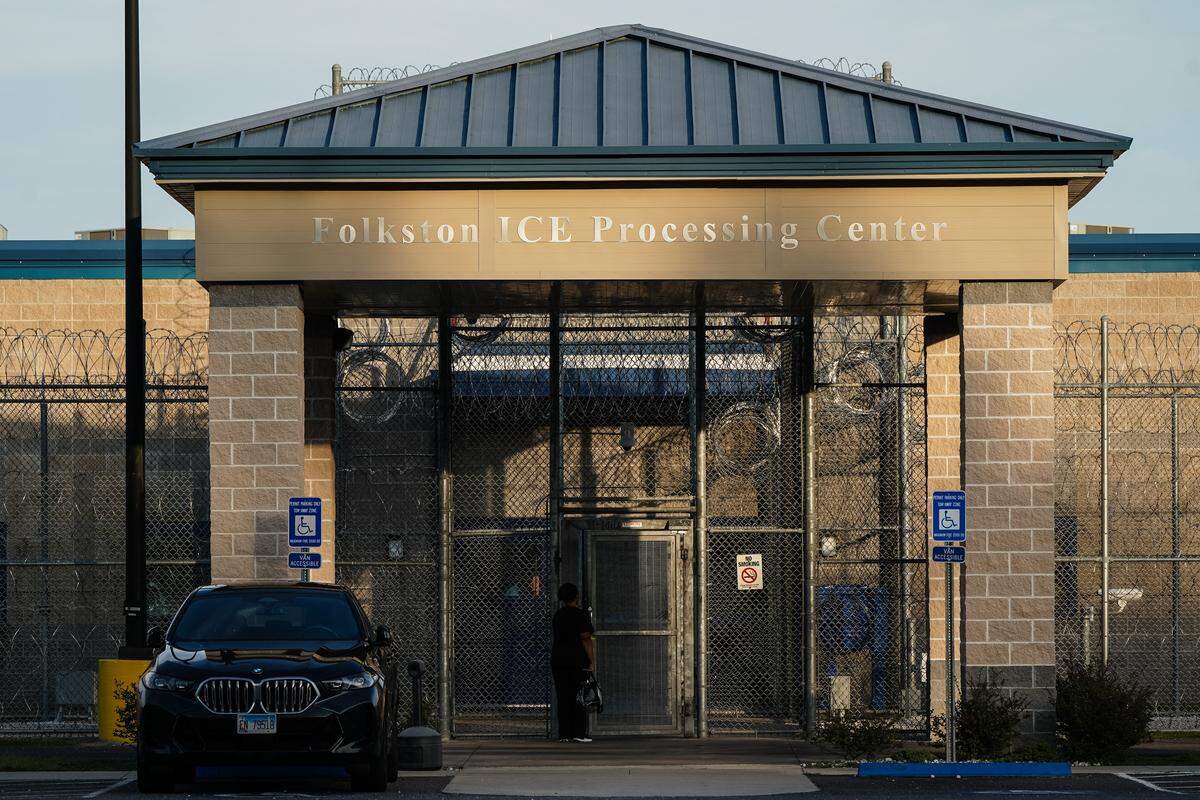
ICE has made nearly 6,500 arrests in North Carolina since Trump took office, through early March. The agency was busiest during November, when the Border Patrol swarmed Charlotte for a mass-arrest event they called “Charlotte’s Web.”
Border Patrol agents from Nov. 15 through Nov. 19 stormed Mecklenburg County in unmarked SUVs and masks, sweeping up hundreds of people. They smashed a man’s car window and stole his keys, stormed a church property and dragged a young worker out of a grocery store, the Observer reported at the time. Thousands of students stayed home from school, and businesses in East Charlotte, a heavily Hispanic area, closed.
The raid left Charlotte’s Latino population reeling. But ICE agents kept up the pace statewide after the Border Patrol left, arresting an average of about 20 people per day in December, January and February.
This story was originally published May 11, 2026 at 5:02 AM with the headline "Most people ICE arrested in NC go to detention sites where force was used 50 times."