Hundreds protest planned closure of international study centers at UNC
AI-generated summary reviewed by our newsroom.
- Hundreds protested UNC plans to close six international study centers in 2026
- Faculty and center leaders criticized cuts as harmful to international programs
- Board of Trustees will review proposed sunsets after centers informed of cuts
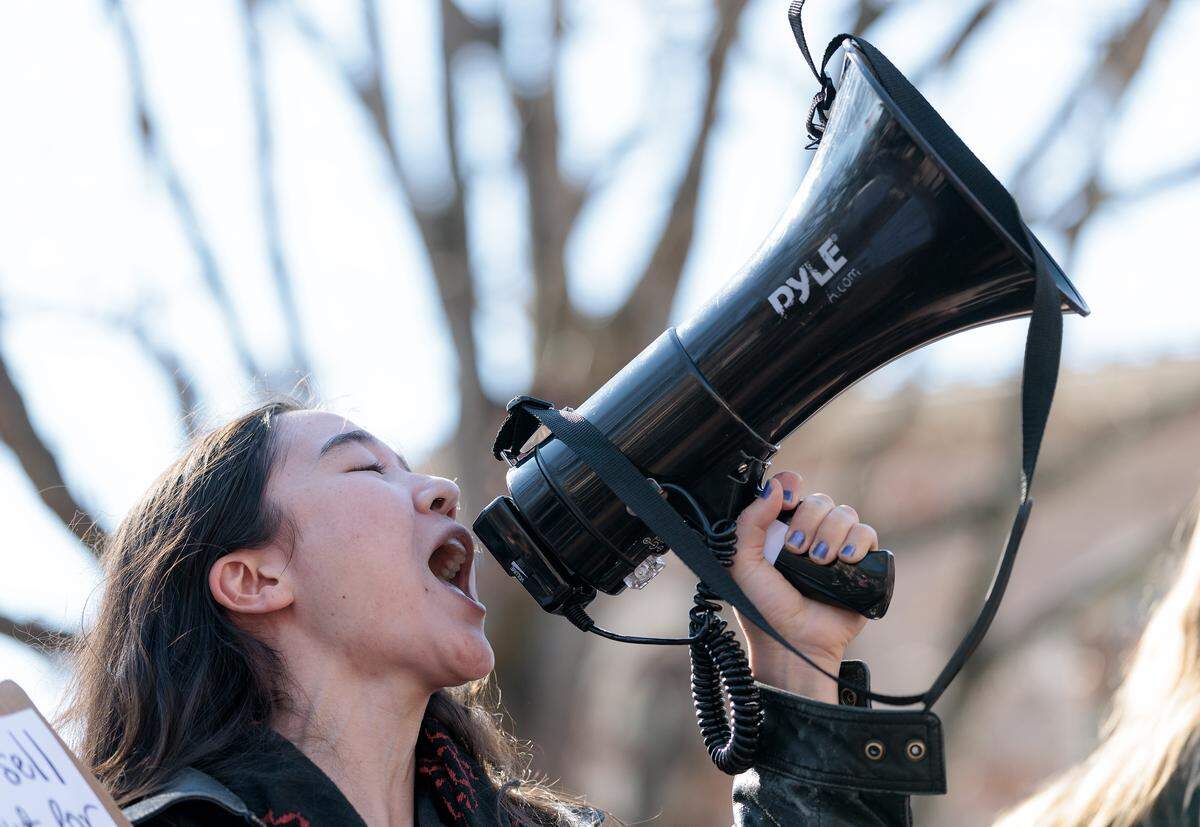
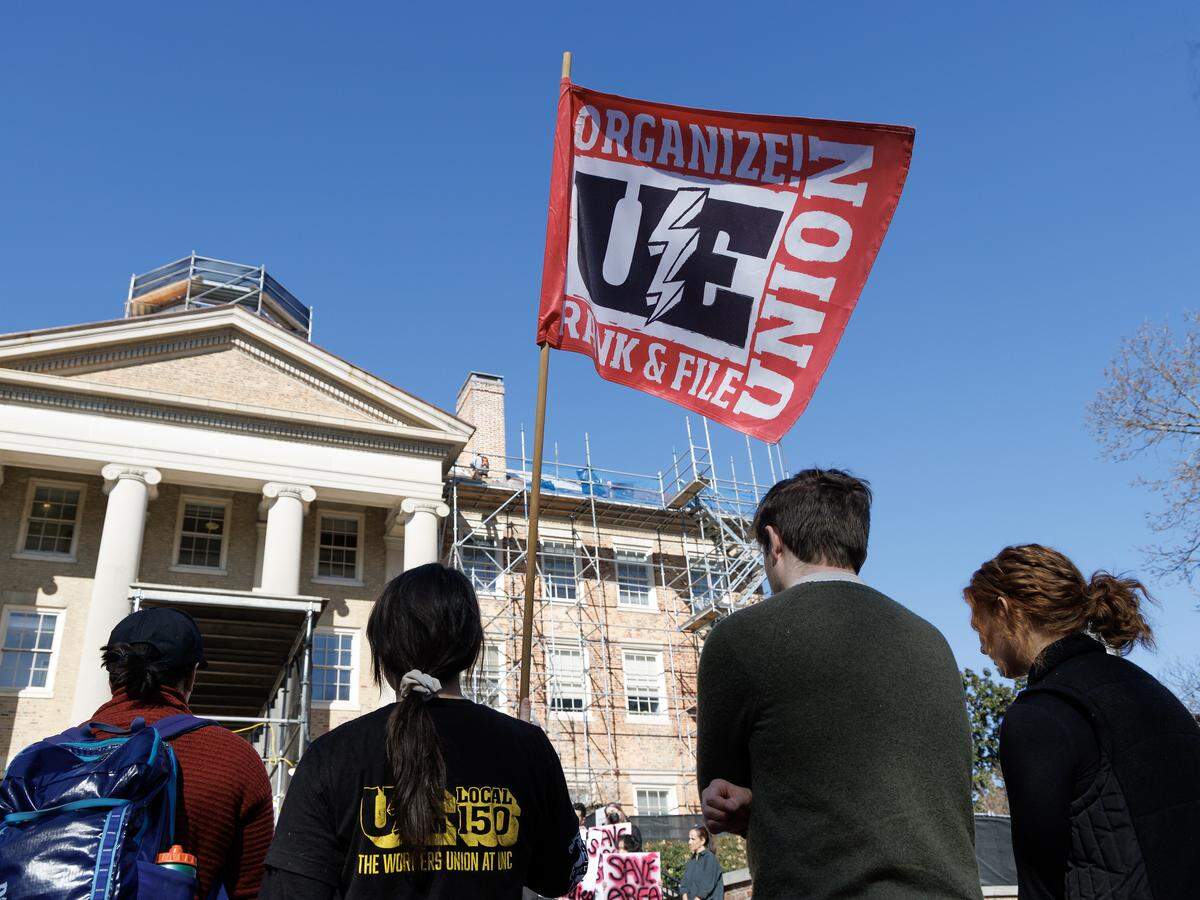
Hundreds of protesters gathered on UNC-Chapel Hill’s campus on Wednesday in opposition to the planned elimination of six university study centers that focus on international history, politics and cultures.
“This is a uniquely destructive move that has shocked my colleagues around the country and around the world,” Chad Bryant, a UNC history professor, told the crowd. “One that tells the world we don’t care. We are happy being a parochial university. We are happy to turn our backs on the rest of the world.”
Last month, The Daily Tar Heel reported that the university planned to shutter the Center for European Studies, the African Studies Center, the Carolina Asia Center, the Center for Middle East and Islamic Studies, the Institute for the Study of the Americas and the Center for Slavic, Eurasian and East European Studies.
Leaders of the centers, which were established in the early 1990s and 2000s, were informed last month that the university planned to “sunset” the programs due to budget cuts, the DTH reported.
Kevin Best, a spokesperson for UNC-Chapel Hill, confirmed to The News & Observer that the six centers are being closed, but said that some of their activities would be moved to academic departments.
“A working group comprised of staff and faculty identified the centers and institutes for sunsetting based on a variety of issues including their long-term financial viability,” Best said.
Cutting the centers will result in $7 million in savings, he said, part of a larger university plan announced last July to find $70 million in savings “due to federal budget cuts and funding uncertainty at both the state and federal levels.”
But Priscilla Layne, director of the UNC Center for European Studies, contradicted this claim, telling the N&O that the area studies centers cost only $1.5 million annually.
The UNC-Chapel Hill Board of Trustees is expected to consider the issue further at a meeting later this month.
Professors, students speak out
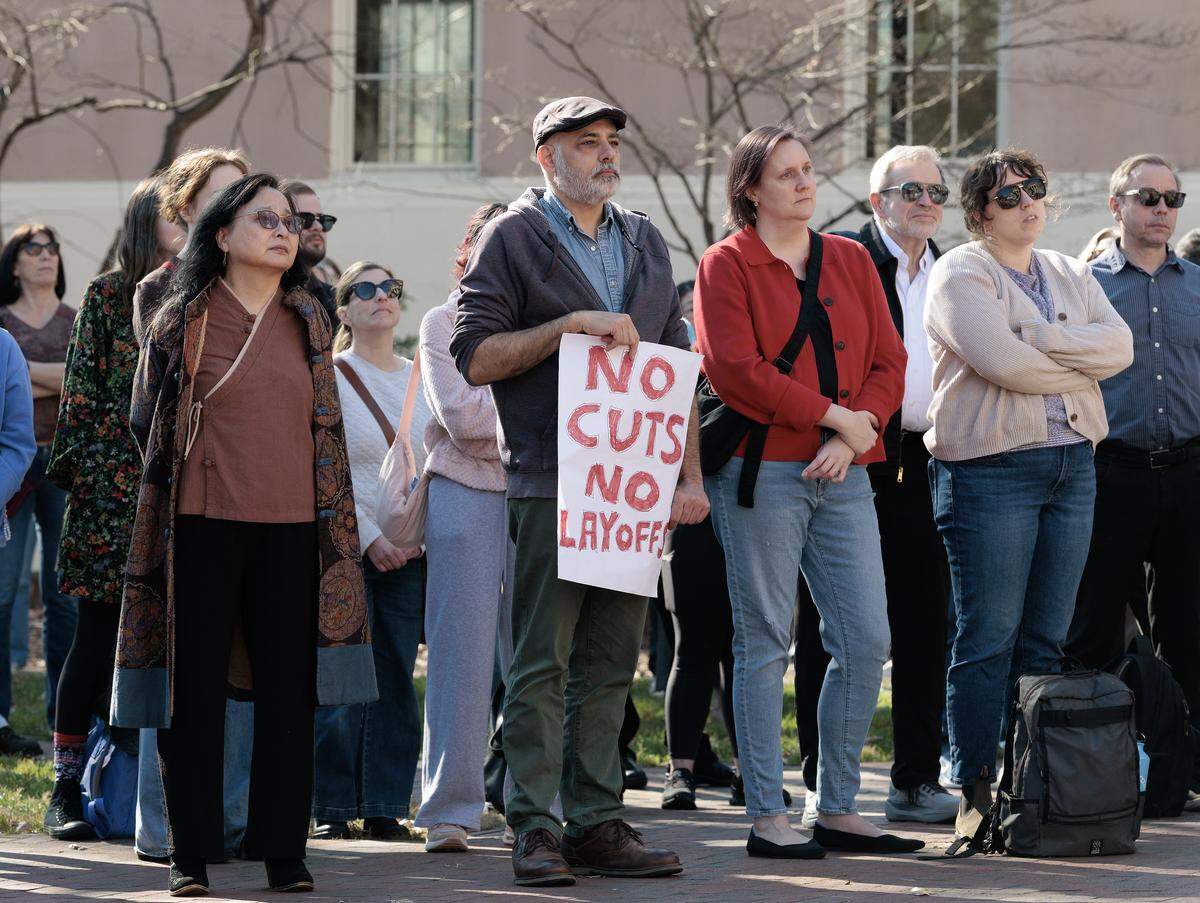
Speaking on the first day of classes for the spring semester, faculty and students affected by the cuts lamented them in the protest outside South Building — where the offices of top administration figures, including Chancellor Lee Roberts, are located.
“These centers serve thousands of students, produce globally recognized research and sustain collaboration with international scholars — they are some of the most valuable intellectual resources on this campus,” Christina Huang, a member of the university advocacy group TransparUNCy said. “This administration — Lee Roberts — is trying to destroy them all. Cuts like this are exactly what happens when you appoint a right-wing finance executive with no experience in higher education to run your university.”
Roberts, a graduate of Duke University who spent 30 years working in finance, was selected as Chapel Hill’s chancellor by UNC System President Peter Hans and the UNC Board of Governors in 2024 after serving seven months as interim chancellor.
Republican lawmakers, who appoint members of the Board of Governors, largely supported Roberts’ selection — with top legislative leaders praising his response to pro-Palestinian protests on campus.
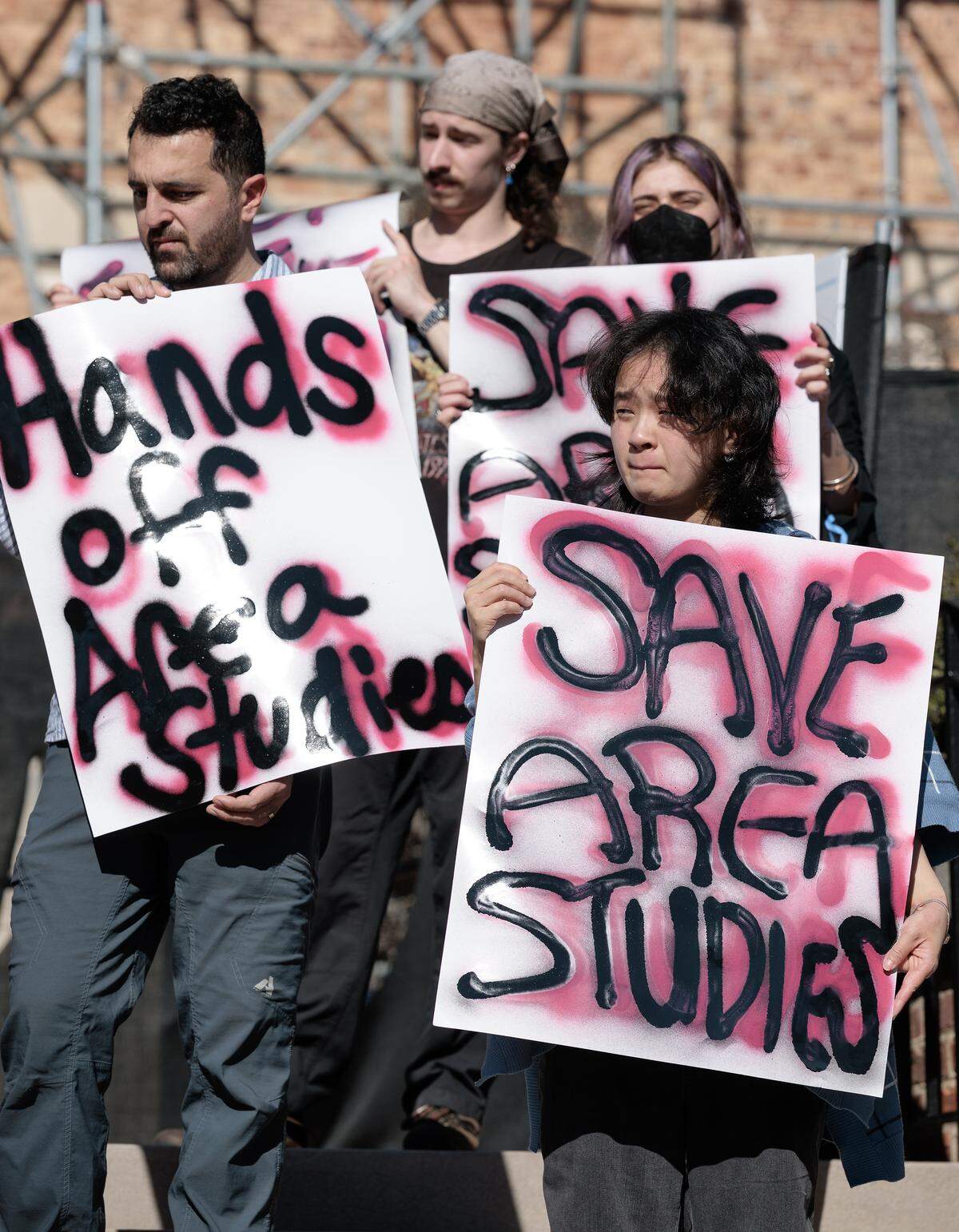
Several speakers on Wednesday accused university leadership of being motivated by politics, rather than budget concerns, in deciding to cut the centers.
“This is fundamentally a political decision done to appease the fiefdom of the UNC System,” Nyssa Tucker, a PhD student and member of the UNC Worker’s Union, said. “... We know the university is flush with cash while we get crumbs. So I ask again, what is the point of shutting down these centers? The end game is clearly control of information.”
Project 2025, the wide-ranging far-right policy agenda laid out by the Heritage Foundation prior to the 2024 election, specifically calls on Congress to “wind down” area studies programs, Inside Higher Ed reported.
Cecilia Martinez-Gallardo, a political science professor and board member of the Institute for the Study of the Americas, said that in a time of international turmoil, UNC should not defund global studies.
“Have you seen the news lately?” she said. “It doesn’t seem to me that this is a time to turn our back to the world. It is not time to stop training our students for global engagement.”
This story was originally published January 7, 2026 at 2:29 PM with the headline "Hundreds protest planned closure of international study centers at UNC."