Premium increases for 2026 approved as part of NC State Health Plan changes
AI-generated summary reviewed by our newsroom.
- NC State Health Plan proposes salary-based premium hikes starting in 2026.
- Plan eliminates tobacco surcharge, lowers child coverage for lowest earners.
- Preferred provider network, free surgeries aim to control rising claim costs.
The North Carolina State Health Plan Board of Trustees voted unanimously Friday in favor of premium increases for 2026.
The Plus PPO and Standard PPO plans will replace the 80/20 Enhanced PPO and 70/30 Base PPO plans for active employees. Premiums will vary by salary, with the lowest rates for employees earning under $50,000 and the highest rates for those making more than $90,000.
- For active employees in the Standard PPO plan, monthly premiums for employee-only coverage will range from $35 to $80 — depending on salary — up from $25 this year, regardless of salary, for those who completed a tobacco attestation.
- Plus PPO employee-only premiums will range from $66 to $160, compared with $50 this year for those with the attestation.
Currently, those without a tobacco attestation pay more.. The new plans will no longer differentiate between tobacco and non-tobacco users.
There are also changes to premiums depending on whether any other family member is enrolled. Most categories will see increases, but some Standard PPO tiers are lower than 2025 rates. For example, employees covering children in 2026 will pay $185 to $230, depending on salary, compared with $218 this year with the attestation.
Non-Medicare retirees on the enhanced plan will see a $16 monthly premium increase, while those on the base plan will keep their $0 premium.
Complex imaging for breast cancer screening will now be fully covered. And certain surgeries will be free for active employees.
Changes needed to keep State Health Plan solvent?
Higher deductibles and other plan design changes were approved in May. The vote on premiums comes ahead of open enrollment beginning in October.
Prior to the vote, several organizations advocating for state employees and retirees spoke against higher premiums. State Employees Association of North Carolina Executive Director Ardis Watkins said she hoped “moving forward, we can hold the people responsible, the ones making four times what it takes to make a profit, actually responsible, and not state employees or retirees.”
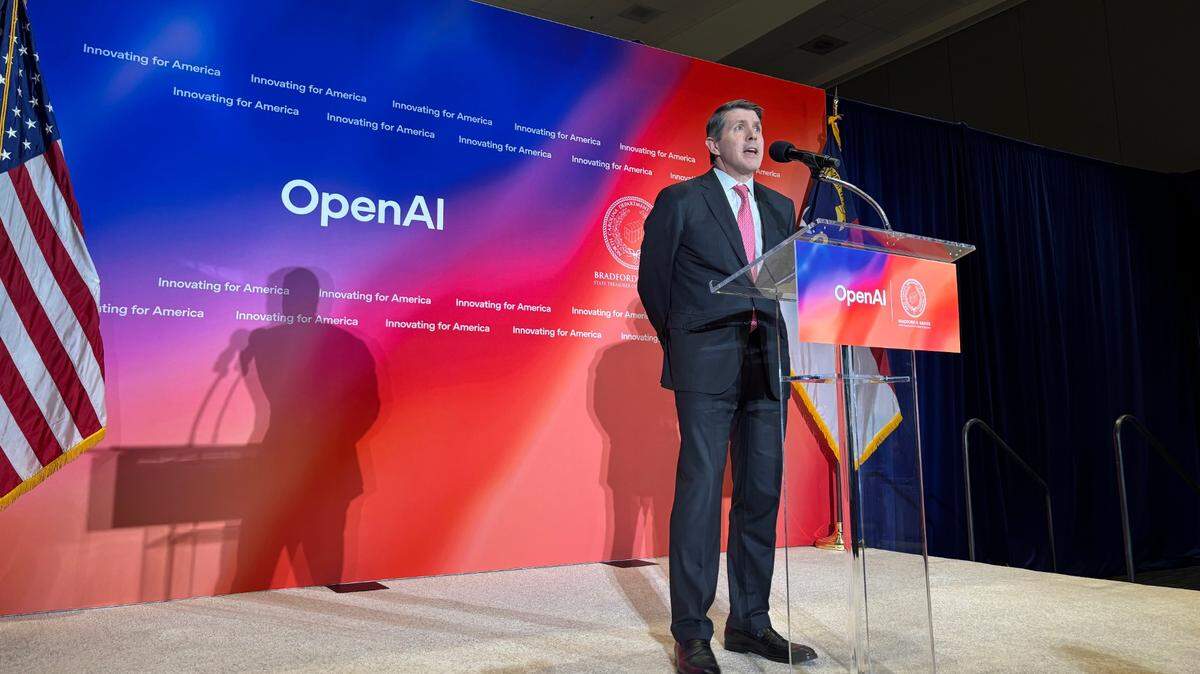
State Treasurer Brad Briner said he understood the frustration over proposed premium hikes but argued the increases were necessary to keep the State Health Plan solvent.
“I walked into office in January with a half a billion dollar deficit. That’s just for 2026,” he said prior to the vote. “Today, we’re going to take the last step to filling the hole by finalizing premiums. I know that few people are going to be happy about that, but it is necessary if we want to have a state health plan in the future,” he said.
Briner blamed “short-sighted decisions” by his predecessor as treasurer, fellow Republican Dale Folwell, including years of frozen premiums and a “flawed” Clear Pricing Project that led to higher expenses rather than savings. He said those choices depleted cash reserves while avoiding difficult negotiations with providers.
Folwell froze premiums for most members and often blamed hospitals and other health care players for rising costs.
The health plan is ending the Clear Pricing Project, which pegged reimbursement rates to hospitals that joined the plan to Medicare payments plus a markup. State Health Plan members pay nothing for visits to a CPP primary care or behavioral health provider.
He also pushed back on claims that unreimbursed COVID-19 expenses were a main cause of the plan’s financial troubles, saying that while there are “tens of millions of dollars” owed to the plan by the legislature, the plan faces “a multi-billion dollar problem” that would require premium hikes even if all those funds were recovered. Folwell clashed with lawmakers on these unreimbursed COVID-19 expenses.
Briner said his three-pronged approach to fixing the plan included $150 million in new state funding, negotiated cost reductions from providers, and premium increases from members. “We know you don’t like that, and we don’t like it either,” he said. “But that’s the only way to finish filling this hole.”
The new salary tiers and the premiums for active employees are as follows:
Standard PPO Plan
- Under $50,000: $35 (subscriber only), $185 (subscriber + child(ren)), $575 (subscriber + spouse), $575 (subscriber + family)
- $50,001–$65,000: $50, $200, $590, $590
- $65,001–$90,000: $65, $215, $605, $605
- $90,001+: $80, $230, $620, $620
Plus PPO Plan
- Under $50,000: $66 (subscriber only), $276 (subscriber + child), $746 (subscriber + spouse), $746 (subscriber + family)
- $50,001–$65,000: $94, $304, $774, $774
- $65,001–$90,000: $122, $332, $802, $802
- $90,001+: $160, $370, $840, $840
Pushback on the increases in premiums
Public employees — as well as organizations representing them — have denounced the premium increases, citing larger trends of rising prices and tight budgets. The average state employee salary is $62,997.
On Friday, before the vote, they spoke out again.
Watkins of SEANC said the deficit “was not a new problem,” noting North Carolina was found to be “No. 1 most expensive state for healthcare in this country” for health care costs. A often-cited Forbes study found North Carolina to be the most expensive state for health care in the country.
“I know Treasurer Briner, this is something that y’all feel strongly is unavoidable to increase premiums on state employees and some retirees. I don’t think it’s unavoidable. I think it could have absolutely been avoided. I think it should have been avoided,” she said, adding that the “absolute, abject and gross power of the corporate health care machine is unchecked in this country” and “out of control in this state.”
Watkins said the hikes target “people who aren’t getting a raise” and may not get one at all, given the lack of a final budget.
“Raising health care premiums is a pay cut,” said Bryan Proffitt, vice president of the North Carolina Association of Educators. “This board’s responsibility is not to balance those challenges on the backs of the people who work with our kids every single day.”
Charles Owens, a health care technician at the state’s Cherry Hospital, said employees already face “low wages, short staffing” and endure “physical, mental and verbal abuse” while caring for vulnerable and sometimes dangerous patients. “With the minuscule raise increases, the exorbitant increases in our health care costs, along with this diminished coverage that Aetna provides, we can’t acquire or keep competent and reliable staff,” he said, noting many work 12- to 16-hour days to keep units open.
Owens — who is the vice president of the chapter of UE Local 150, NC Public Service Workers Union, at Cherry Hospital — cited reports on North Carolina being the best state for businesses while ranking worst for health care worker protections, saying the planned deductible, copay and premium hikes “make that statement true, the truest thing I’ve heard in a long time.”
‘There’s no longer a budget crisis here.’
While premiums are going up, Briner has announced new measures to help lower costs for members. In 2026, a preferred provider program will begin, offering the lowest copay for visits to providers “committed to improving access to high-quality, affordable health care,” he said in a video this week.
The plan will also offer certain nonemergency surgeries at no cost for about 550,000 active members through a partnership with Lantern, a specialty care platform. The benefit, set to begin in October, will cover roughly 1,500 procedures. Members may still choose providers outside the program, but these services will not be free.
Briner told The News & Observer in late July that the board’s first priority is stabilizing the plan’s 2026 finances. Beyond that, he said, the focus is on long-term sustainability by “injecting competition” and working toward transparent pricing. The surgical program is the first step in that effort and is expected to save the plan money, as previously reported by The N&O.
Other changes coming down the pipeline include the state’s pharmacy benefit manager contract — currently held by CVS Caremark — going out to bid later this year, said Tom Friedman, the plan’s administrator.
The plan also aims to enhance maternity care. “With over 60% of our membership being female, we need to do better to create opportunities for better maternity care. North Carolina is not doing the best in terms of infant mortality. We can do a better job,” Friedman said Friday.
Friedman also noted that under the SHP, members can cover their daughters, but if a daughter became pregnant, the delivery of the child would not be covered. He called that “a vestige of an older time” and said the plan is working with the legislature to remove that law.
The chief economist for the plan, Emma Turner, gave a financial update, saying, “we see a much more positive situation than we’ve seen previously.” But she noted that the plan is keeping tabs on medical claims, as they have come in “well above” what was expected. She said the plan is on track to end 2025 to end with $800 million in reserves, noting this is in part due to the funding provided by the General Assembly in a mini-budget bill that has been signed into law.
“With the changes that have been made, there’s no longer a budget crisis here. It is resolved, and we can move forward with reserves that are appropriate for the needs,” she said.
The State Health Plan provides coverage to nearly 750,000 teachers, state employees, retirees and their dependents. Aetna administers the State Health Plan for the state.
This story was originally published August 14, 2025 at 6:43 PM with the headline "Premium increases for 2026 approved as part of NC State Health Plan changes."