Can the DMV be fixed? A conversation with North Carolina’s new commissioner
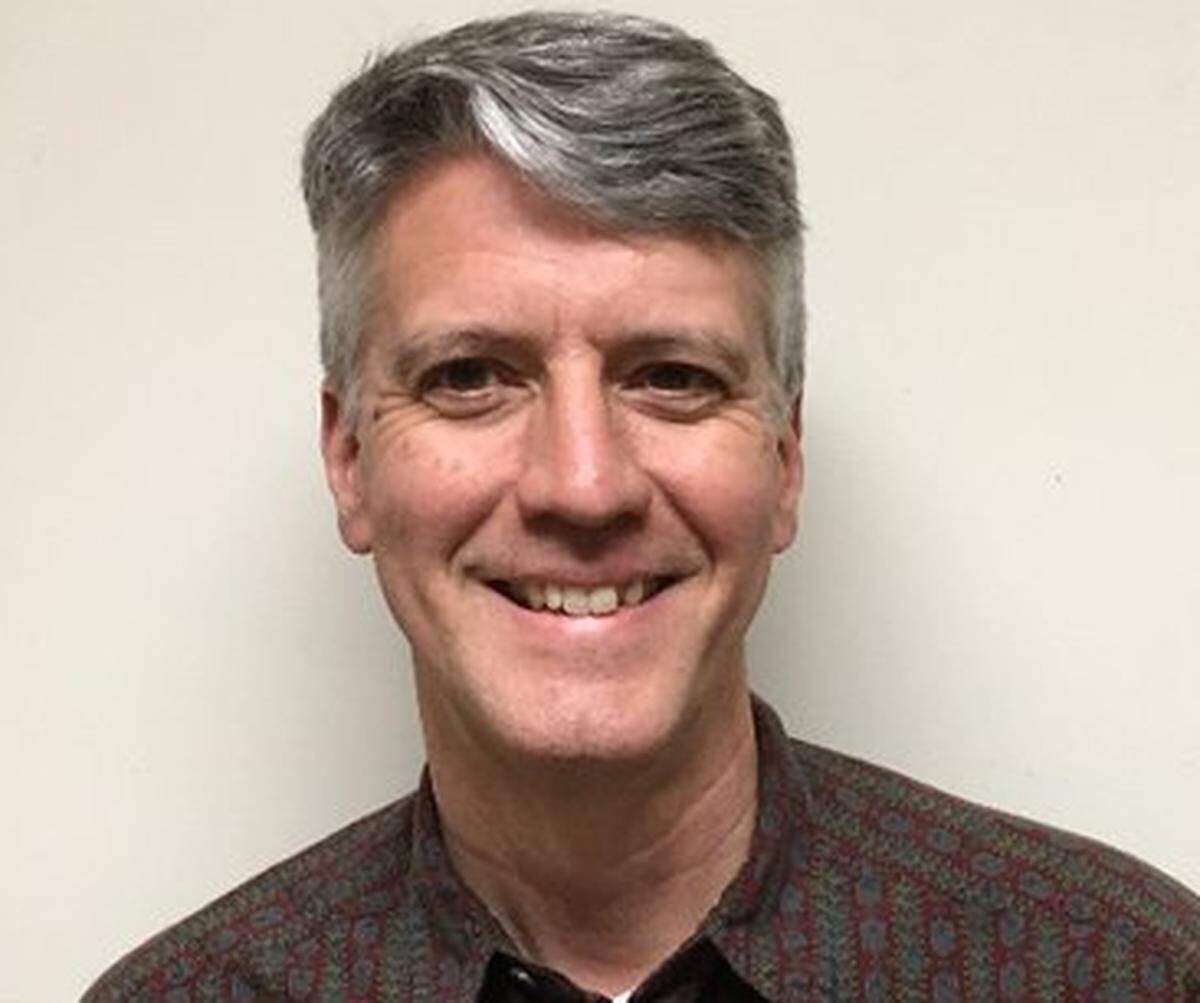
Paul Tine became North Carolina’s Division of Motor Vehicles commissioner on May 6, taking over a state agency known mostly these days for long lines and poor customer service.
Tine, who lives in Dare County where he runs an insurance agency, served two terms in the state House, initially as a Democrat and then an unaffiliated member who caucused with Republicans. He says he thinks he can turn the DMV around, with help from Democratic Gov. Josh Stein, who appointed him, state lawmakers and Republican State Auditor Dave Boliek, who launched a review of the agency’s operations this winter.
On his fourth day in office, Tine sat down for an interview with The News & Observer. The following is an edited transcript of that conversation.
Q: Why in the world would you want this job?
A: Because it’s a great job to have. I’m so excited about it. There are very few opportunities for you to affect millions of people’s lives in a positive way, and this gives me that opportunity to do that. We are a customer service organization. This is something that everybody has to deal with in one way or another at some point, and so making it so it’s a positive experience where government’s doing what they’re supposed to do and helping guide people through a process that is pleasurable instead of nerve-wracking, is something that I think is a lot of fun.
Q: Your predecessor tried to make the case that the long lines, wait times and lack of appointments were largely a factor of not having enough staff. The state has grown by over 2 million people in the last 25 years or so and DMV staffing has remained basically flat, and the number of offices has increased by only three. Do you agree that that’s a big factor?
A: It’s certainly a piece of it. But my job is to maximize what I have today, and I think there’s plenty of work there to do that, to build the credibility that would allow [state lawmakers] to entrust us with that growth. Again, they’ve been very positive in response to our requests for people and for resources. So I think we’re going to see some movement there.
Q: When I look at the bills and listen to the conversations in the General Assembly this spring about DMV, I don’t hear anybody talking about staffing. You hear lawmakers talk about culture and about management, but I never heard anybody say this is an agency that doesn’t have enough people working for it.
A: We can talk about our problems and our issues all day long. There’s a laundry list of them. Is our culture where it needs to be? Absolutely not. And we’re going to build a new culture that is based on our vision of success, because we can be successful as we move forward.
Our people that talk to our customers are the most important people in this organization. Because our customers do not care about me. They do not care about all the support that our front line gets in the backroom. They care about those front-line folks that talk to them. It’s our examiners in the offices, it’s the people on the phone and it’s also our website and the process we guide them through there. So my job is going to be largely to empower them but also create a culture that supports them.
Q: You used the term yourself, and I heard it last week a few times from lawmakers, that the DMV is broken. Would you agree with that?
A: We’re certainly not performing at anybody’s expectations, including mine. I think there are a lot of things that work well, and mainly they are people. But they need to be empowered to do the job that they are charged to do. Are we broken? We have a mandate from everybody starting with the people that come into our offices to make this a positive experience instead of a wait outside. If you want to call it broken, a state of emergency, whatever. There is a state of urgency in this organization right now to make changes very quickly to solve those problems.
Q: How will you measure your own success? When you look down the road, what will you need to see for you to say, “I’ve accomplished something here?”
A: So near-term, we get our lines down and we get that working the way it’s supposed to. Long-term, we’ve fulfilled the strategic plan that we’re laying the foundation to create now that will put the processes, people and systems in place to empower our front-line staff to deliver a high level of customer service. That’s the goal. So the governor doesn’t get calls, the legislature doesn’t get calls, except for those rare moments when things just don’t work, some sort of anomaly as opposed to a systemic issue.
That’s when the job will be done, when people say, “Yeah, I went to the DMV today and took care of it at lunch.” Or, “I took care of it in five minutes online.” Actually, when it’s done is when we proactively reach out to them and say, “Hey, you’re up for your renewal, these are the things that you need, here is what they look like,” and we start guiding them through a process.
For more about Tine, go to “NC’s new DMV commissioner says he likes a challenge. He sure has one now.”
In the Spotlight designates ongoing topics of high interest that are driven by The News & Observer’s focus on accountability reporting.
This story was originally published May 13, 2025 at 6:00 AM with the headline "Can the DMV be fixed? A conversation with North Carolina’s new commissioner."