Should riding NC ferries continue to be free? Senate leaders don’t think so
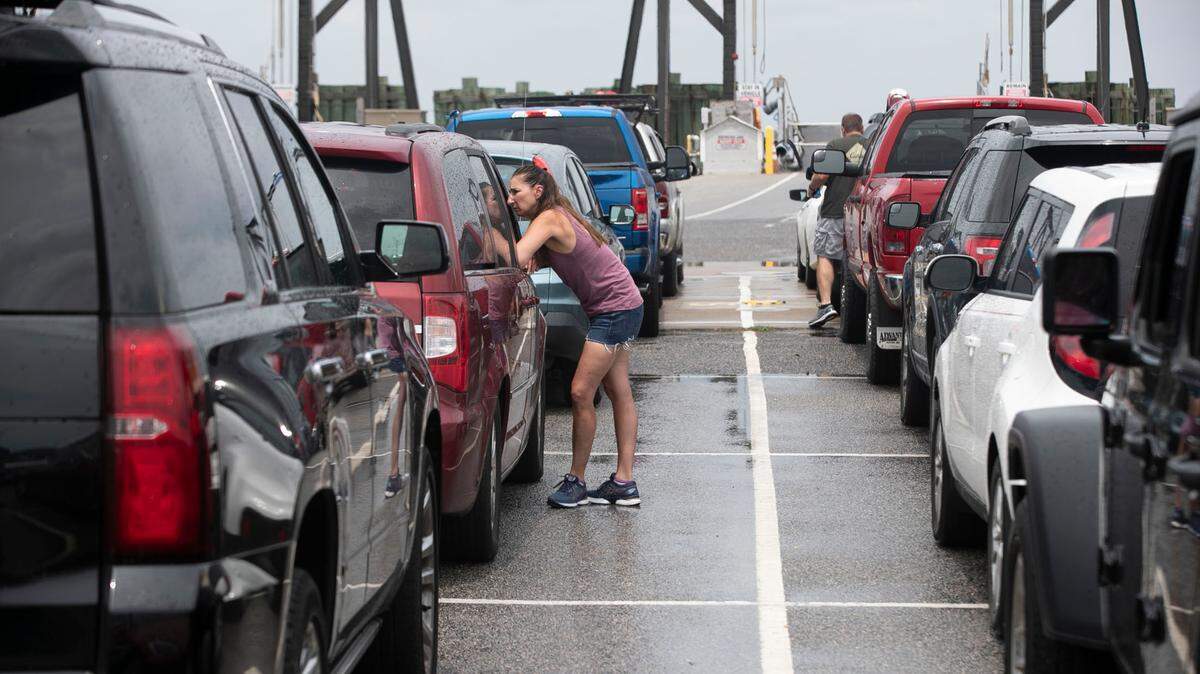
The budget proposed by the state Senate this week would end free rides on North Carolina’s coastal ferries, charging tolls to board boats that have been free for decades.
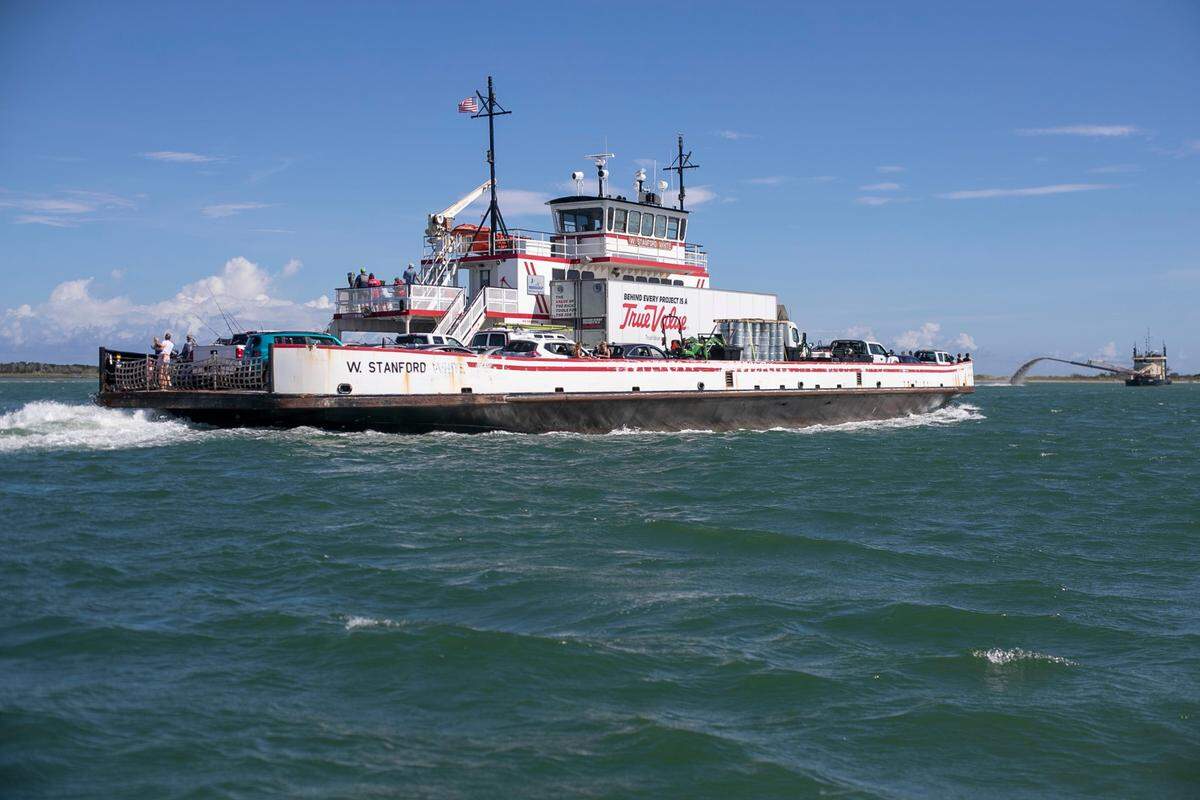
The N.C. Department of Transportation collects tolls on three of the seven car ferries on the coast — across the Cape Fear River between Southport and Fort Fisher and over Pamlico Sound between Ocracoke and both Swan Quarter and Cedar Island. It also charges people to ride a seasonal passenger-only ferry between Ocracoke and Hatteras.
But four car ferries remain free, including two river ferries heavily used by commuters and the busiest car ferry, between Ocracoke and Hatteras islands. Senate budget writers want that to end.
The revenue those tolls would generate is badly needed by the N.C. Department of Transportation and its Ferry Division, says Sen. Vickie Sawyer, a Republican from Mooresville who co-chairs the Senate appropriations committee for transportation. Rising costs have forced NCDOT to delay projects across the state, Sawyer says, even as it must rebuild roads and bridges in Western North Carolina after Hurricane Helene.
The shortage of money has prompted some communities to use tolls to build roads, Sawyer noted. Wake County communities supported tolls to speed construction of the Triangle Expressway and are considering doing the same for a delayed six-lane highway between Raleigh and Wake Forest.
“At this point it becomes an issue of fairness,” Sawyer said about tolling ferries.
How much would people pay on each ferry?
The most dramatic change would be on the Ocracoke-Hatteras ferry, where 82% of riders are visitors, according to NCDOT. The budget calls for charging $20 for vehicles less than 20 feet long and $40 for those longer than that. Each passenger would also pay $1.
The Senate also proposes doubling the fee to ride the passenger-only ferry, the Ocracoke Express, to $15 per person.
Fees to ride both Pamlico Sound ferries to Ocracoke would also double, to $30 for vehicles less than 20 feet long and $60 for those longer. Each passenger would pay $2. The majority of riders on those ferries are also visitors.
The Senate budget calls for more modest fees on the two free river ferries used overwhelmingly by commuters. Vehicles under 20 feet would pay $3 to ride the Aurora-Bayview ferry that serves workers crossing the Pamlico River to the Nutrien phosphate mine in Aurora and $5 for the Cherry Branch-Minnesott ferry over the Neuse River, used by workers at the Cherry Point Marine Corps Air Station. Fees would double for larger vehicles, and both would charge $1 per passenger.
The seventh ferry, between Currituck and Knotts Island, is most heavily used by students and parents getting to and from school and work. The ferry, across Currituck Sound in the northeast corner of the state, runs less often in the summer when school is not in session. The Senate budget calls for the same charges as on the Aurora-Bayview ferry.
The Senate budget would also create two seasonal passes, one for vehicles “providing commercial goods and services,” and another for commuters. Each pass would cost $150 per year and entitle the vehicle to unlimited trips.
Tolls can be suspended during emergencies.
Sawyer said she didn’t know offhand how much money the tolls would generate but recalled it “would not be substantial on an annual basis.” But NCDOT could use that toll revenue as leverage to borrow money to invest in new ferries or repairs to existing ones, she wrote in an email.
“In an era when we are fighting for every dollar we can for all types of transportation, collecting revenue from tourists using our ferries is a logical step,” she wrote.
Not everyone agrees. Rep. John Torbett, a Republican from Gaston County, cites the burden to residents who depend on the ferries.
“This will cost all North Carolinians who have to use the ferries to go to school, work, doctor, pretty much anywhere,” Torbett wrote on X. “The revenue/tax/user fee is not enough to cover much of anything, and it is not worth it for North Carolinians. Standard revenue sources are enough to cover cost.”
Previous toll proposals have failed
Conflicting opinions about ferry tolls among lawmakers have kept the state from expanding them in the past.
When the General Assembly approved new and higher tolls in 2011, the outcry from coastal residents and businesses was so loud that some legislators changed their minds the following year. At one point in the tumult that followed, some lawmakers proposed eliminating all ferry tolls even as their colleagues searched for ways to enact new ones.
The status quo, of the state charging to ride three car ferries while four others are free, remained in place. When asked how NCDOT came up with that system, a spokesman declined to say, noting only that the department doesn’t comment on pending legislation.
NCDOT operates the second largest state-run ferry system in the country, after Washington, and carries more than 700,000 vehicles and 1.5 million passengers a year. NCDOT’s Ferry Division dates back to the late 1940s when the state began taking over private ferries along the coast. The state subsidized the ferries because people depended on them.
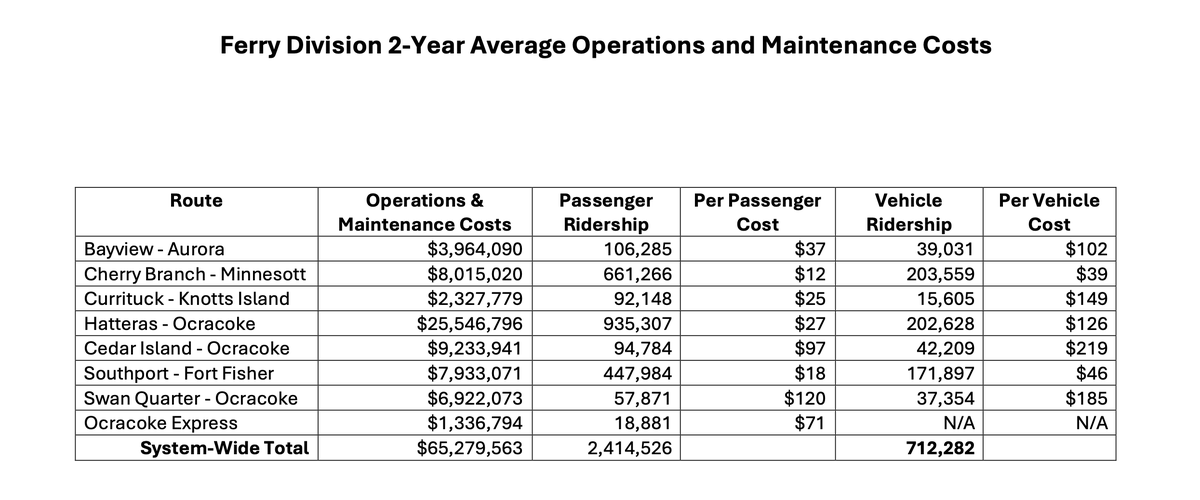
Sawyer notes that even with new and higher tolls, the state’s coastal ferries will be subsidized. She provided a chart that shows that it costs anywhere from $39 to $219 per vehicle to cover the operation and maintenance costs of the ferries.
The most popular ferry, between Hatteras and Ocracoke, cost more than $25 million to run over a two-year period, the chart shows, which comes out to $126 for every car and truck it carries.
This story was originally published April 16, 2025 at 12:01 PM with the headline "Should riding NC ferries continue to be free? Senate leaders don’t think so."