‘Alena’s Law’ could ease legal limbo for families of those missing in NC after Helene
It’s been more than six months since Helene tore through Western North Carolina, and five people are still missing — lost in the floodwaters that swept through the mountains in September 2024.
The families of those missing still face bureaucratic hurdles to settle their loved ones’ affairs, like managing real estate or debts, because state law doesn’t presume death without a body.
Currently, if someone’s missing but not declared dead, a relative can ask a judge after at least 30 days to appoint a receiver — a temporary manager — to handle their property. It’s a stopgap solution that drags on without a death ruling, leaving families unable to fully resolve the estate.
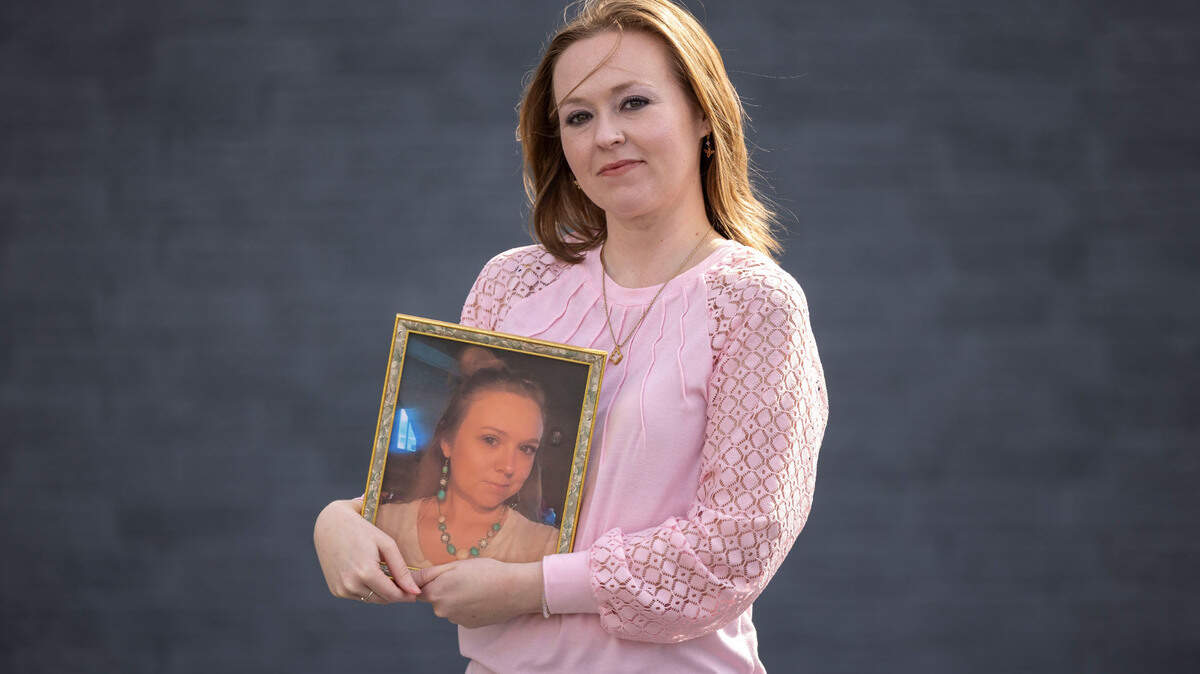
One such family member caught in this limbo is Kelly White, the cousin of Alena Ayers, who went missing in Mitchell County when Helene flooded the North Toe River. White has been heavily involved in looking for her cousin, making some 20 trips across Western North Carolina and along the Tennessee border to search.
She sees hope in a bill making its way through the legislature named after her cousin.
White pushed legislative change on behalf of Ayers’ mom to help families in similar situations, leading to the introduction in the legislature last month of “Alena’s Law,” which aims to amend North Carolina laws so courts can more easily presume death for people missing after natural disasters.
“It’s not just me trying to get something done for my family. This is for all of the people that are in the situation right now,” White told The News & Observer.
“There were things that needed to change after this happened, and I didn’t know exactly what to go about doing,” she said. “Does there need to be a different law? Does there need to be some kind of accountability for missing people in situations like this?”
After investigating, talking with a lawyer and more, she landed on a strategy of posting a Change.org petition, asking lawmakers to allow families of disaster victims to petition courts for a presumed-death declaration after 30 to 60 days to speed up settling affairs.
“This is something that we can actually do now,” she said. “It won’t bring her back. It won’t change any of this, but it will do something to help people in the future and it will be something to memorialize her, because she’s important and she’d want to help other people.”
What the legislation would do
Two lawmakers heeded White’s call, introducing House Bill 537, dubbed “Alena’s Law,” to allow a presumption of death for those missing due to natural disasters.
In North Carolina law, death isn’t presumed from absence — even if someone’s been “unheard of for seven years,” as state law says.
That alone doesn’t mean they’re considered dead; a judge decides based on evidence after a case is filed, and sometimes a jury may have to weigh in. In legal terms, a presumption is something accepted as true unless disproven.
Without that presumption, families can’t fully manage a missing person’s estate — except through the receiver.
One sponsor of the bill, Rep. Dudley Greene, a Republican who represents Avery, McDowell and Mitchell counties, said this bill “won’t have an impact for a lot of people, but I think it will be a big impact for those that it does affect.”
The other main bill sponsor is Rep. Sarah Stevens, a Republican representing Surry and Wilkes counties.
Greene said he first heard from law enforcement who had been working with victims families in Avery County about an exception for disaster victims, then learned of White’s petition — including from The N&O’s reporting on her search. After speaking with her on the phone, he filed HB 537.
The bill “can make a tragic situation maybe a little easier for those families,” he told The N&O.
Alena’s Law would allow a presumption of death if there is a federal finding of presumed death — as with military members — or if they’ve been missing for at least 90 days following a declared state or federal disaster unless there’s proof they’re alive.
Currently, if a person is missing but not legally presumed dead, anyone with an interest (like a family member) can ask a Superior Court judge to appoint a receiver after 30 days of absence. This receiver takes control of the missing person’s assets, with limitations, while the court figures things out.
Under Alena’s Law, a case would still need to be filed in Superior Court and a receiver appointed, but the presumption of death would be weighed by the judge with other evidence to decide faster whether the person is considered missing or dead. Once a judge makes a decision, the receivership is terminated and estate proceedings can go forward.
The law would take effect immediately upon passage and apply to requests for receiver actions filed on or after that date.
On chances of the bill becoming law, Greene said he knew of “no opposition.”
The bill is being heard on Wednesday in a committee. White said she plans to drive down from her home in Henderson County to the legislature to attend.
This story was originally published April 8, 2025 at 12:09 PM with the headline "‘Alena’s Law’ could ease legal limbo for families of those missing in NC after Helene."