New State Treasurer Brad Briner on Wegovy coverage, premium hikes and NC pension fund
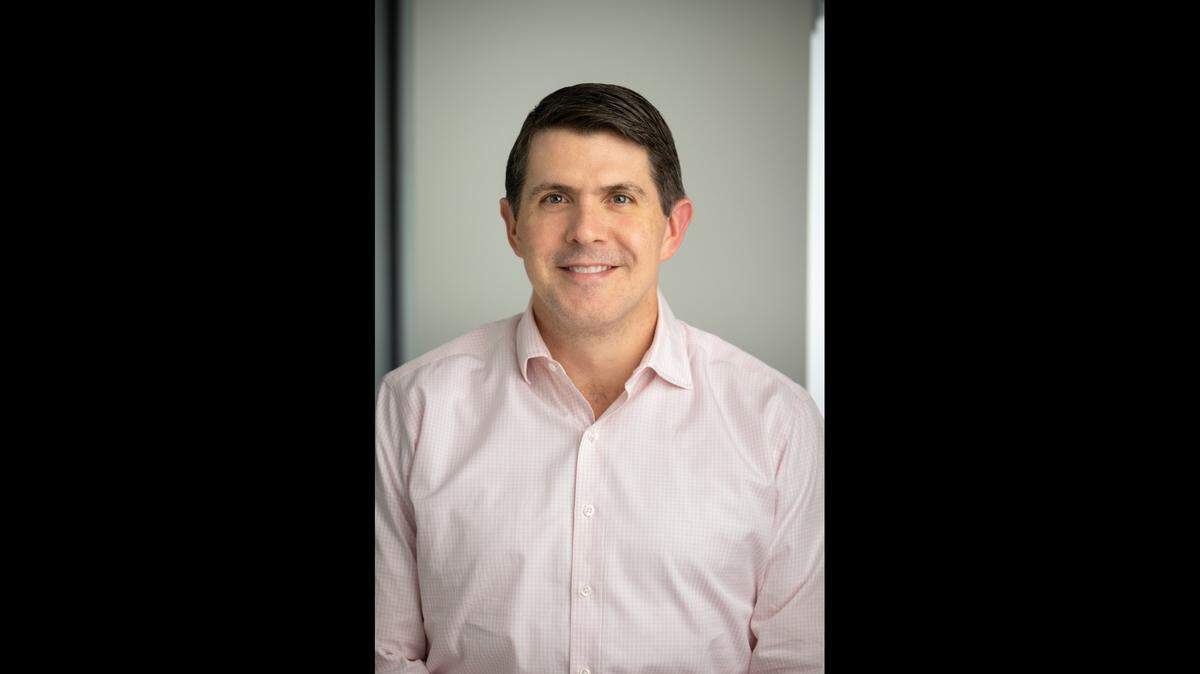
Just weeks into the job, it’s clear that newly elected State Treasurer Brad Briner won’t shy away from taking action, even if controversial.
In an interview with The News & Observer, Briner laid out some of his plans for the near future and longer term.
He spoke on the chances of getting popular weight loss drugs like Saxenda and Wegovy covered again for state employees, future premium increases and more.
Briner announced soon after taking office that premiums were likely to rise in 2026. Briner told The N&O, “we’re at the end of that road, and I don’t really relish being in office for nine days and having that be the first message that I’m out there with, but I just believe in transparency.”
“I believe in delivering bad news probably quicker than good news, because I think people deserve to know,” he said.
Q: What are your immediate and long-term goals and plans as the new treasurer?
Briner outlined two major areas of focus for the Department of State Treasurer: the pension systems and the State Health Plan.
On the retirement side, Briner said his plan centers on modernizing the governance of the North Carolina Retirement Systems by creating a professional organization to support and manage the system. He said 47 other states have built similar professional structures to oversee their pension systems. “So we’re just going to shamelessly steal (ideas) from Virginia, Florida, Texas, pick your state,” he said, adding that he had hired Kevin Sigrist as chief investment officer to lead this effort.
The North Carolina Retirement Systems administers the pension plan, as well as the other supplemental retirement plans. The state’s pension fund, which is among the largest public pensions in the country, ended the year valued at $127 billion, according to a press release from the former treasurer.
As of June 30, it had an 88.3% funded ratio, the ratio of assets to total liability. That means it can cover a large part of accrued benefits owed with assets. Briner has said the state needs to have a more assertive investment strategy that does not keep too many assets in cash.
His campaign website also says that North Carolina is one of only three state pension plans that still have a “sole-trustee” governance model in which the state treasurer has sole fiduciary responsibility for making investment decisions for the pension fund. Most other states delegate that authority to boards or investment experts. “Small groups make better investment decisions than solo actors,” says the site. Briner, a Republican, defeated his opponent, Democrat Wesley Harris, in the November election.
As for shortfalls in the State Health Plan: Briner said no other state had resolved the issue, as all were grappling with medical cost inflation outpacing other types of inflation.
Retiree health benefits face a $26.65 billion liability, with a funded ratio of 10%, according to a June 2023 report from The Segal Group. Briner said they engage with rating agencies annually — with this year’s review likely to take place in March — which view this liability as quasi-debt. Currently, the state has a “Triple-A” rating, the highest rating attainable, from all three national rating agencies.
Briner said that even though record appropriations have been secured from the General Assembly in recent years, the health plan remains underfunded. He said options to address the shortfall are limited, prompting Briner to suggest during a State Board of Education meeting this month that premiums under the State Health Plan will likely need to be raised.
The previous treasurer, Dale Folwell, criticized the General Assembly for underfunding the plan and urged lawmakers to reimburse $313 million in COVID-related expenses.
Q: When did you decide premium raises had to happen?
During the board meeting, Briner said he expected that after all possible savings are made, “we will unfortunately have to raise premiums” for the first time in nine years for all state employees. He said they were considering a means-tested approach to minimize the impact on lower-paid employees, which would include a minimum increase of $20 per month per employee in 2026.
In his interview with The N&O, Briner said that “I’m not sure we’re at the decision that it has to happen,” but “I just think it’s extremely likely we will.”
He said the State Health Plan board of trustees discussed solutions to shortfalls at a meeting in November, and premiums came up. He said there was not much appetite at the meeting for alternatives such as making design or network changes to the plan.
“So if you take those off the table, premiums become inevitable,” he said.
Asked what would be the highest premium increase a state employee could be hit with, Briner said they were “still working on that,” and that it’s a balancing act: If premiums are raised too much, another issue arises — that of state employees dropping off the plan, further affecting its solvency. Ultimately, he said, they would likely index premiums to inflation over the last seven years, while still using a means-tested approach.
The State Health Plan’s board of trustees will meet on Feb. 7, and while premium increases will not be voted on, the structure of the salary-based premiums will be, said Thomas Friedman, the new executive administrator of the State Health Plan.
Q: What are some of the other options you’re looking at to cut shortfalls?
We’re trying to “make sure that we are counting every penny in the State Health Plan,” Briner said.
As for where they’re trying to find more pennies, Briner said, one way is by making sure they are not duplicating procedures, and “second is, we’re no longer in a position to be able to cover all the drugs we want to cover. GLP-1s are an example of that last year,” he said.
Last year, under Folwell, the SHP voted to no longer cover the popular Glucagon-like peptide 1 (GLP-1) agonist medications such as Wegovy for weight loss for state employees on the plan, citing high costs.
Briner said they would need to make a more “active set of determinations around what we can afford, what’s effective relative to its price,” he said. Picking generic alternatives is one way to do that, he said. That can be complicated by the plan’s pharmacy benefit managers, which serve as a middleman between the plan and drug manufacturers.
Beyond that, another way to cut shortfalls is by looking at “plan designs” and negotiating with providers and “attempting to set up competitive situations,” he said.
While both things are already done, “we’re going to have to figure out how we share costs differently than we currently do,” he said. The State Health Plan, which provides health care coverage to nearly 750,000 teachers, state employees, retirees, and their dependents, contracts with various companies, including Aetna, to provide services.
Q: Are you looking into cutting any particular drugs, or what’s kind of being looked at in terms of changes there? And will you be getting GLP-1s covered again?
Briner said they were not looking to cut any particular drugs but, since some drugs come off patents (legal protection for a drug’s unique formulation or process, granting exclusivity of sales), the plan wants to make sure they are using the generic option as fast as possible.
Throughout his campaign, Briner said he would look to reinstate coverage of GLP-1s.
Briner told The N&O the “hope” was to get them covered again but “the timing is the question.”
He said that for the majority of GLP-1s available now, the delivery method is what is patented (instead of the active ingredients in the drugs), and so alternative methods would need to be looked at.
However, he said, “the good news is that capitalism works,” and prices will come down as competition increases in 2026 and 2027. Therefore, the health plan could have leverage to negotiate deals now to secure lower prices in exchange for future volume (when demand is not as high for manufacturers), but coverage would remain targeted to those who need it most, Briner said.
Asked for a timeline on when the SHP could potentially get the drugs covered again, if that happened, he said the hope was sooner than two years from now but “we like to under promise and over deliver.”
Q: Concerns about transparency in contracting by the plan’s PBM, CVS Caremark, arose last year in connection with GLP-1s. Do you share these concerns, and what steps do you plan to take to improve transparency?
Briner said that the SHP has a contract with CVS Caremark through the end of 2025, with an option to extend through 2026, which they plan to exercise.
But, after that, he said the plan would solicit bids “mostly as a matter of good governance.”
He said that while CVS Caremark has assured compliance and audits have shown general adherence, the PBM industry often intentionally makes pricing structures difficult to understand.
Briner said innovation and respecting patents that drive medical advances is important, but also said that drug prices have risen faster than just about anything else and “we’re absolutely going to try to push on pharmaceutical prices wherever we can, either through the PBM or working with folks in D.C.”
This story was originally published January 21, 2025 at 5:00 AM with the headline "New State Treasurer Brad Briner on Wegovy coverage, premium hikes and NC pension fund."