
Tons of election texts? Here’s how political groups got your number (+ how you can opt out)
Editor’s note: This article is part of U.S. Democracy Day, a nationwide collaborative on Sept. 15, the International Day of Democracy, in which news organizations cover how democracy works and the threats it faces. To learn more, visit usdemocracyday.org.
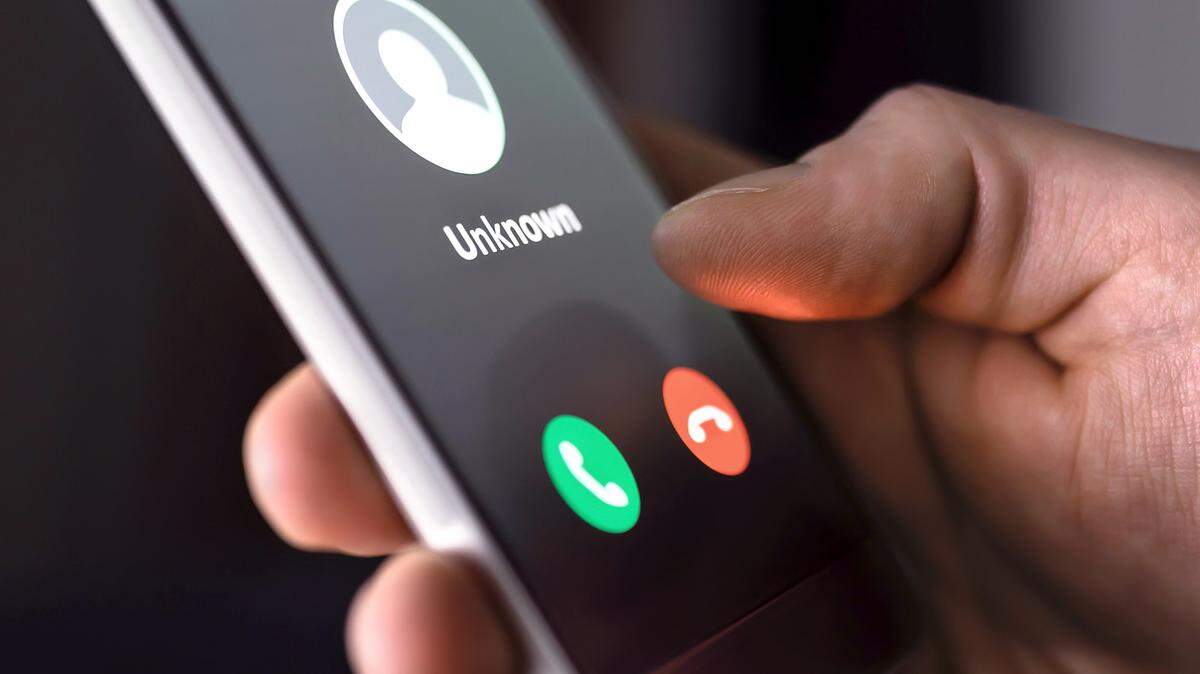
Another election season in full swing comes with a swarm of campaign phone calls, text messages and even emails to voters across the country.
As political groups have shifted towards modern methods of drawing voters to specific candidates, concerns have been raised over how information is collected— and if there’s a way to opt out.
How do groups get voter information?
Under North Carolina state law, voter registration lists are public records and are available on the State Board of Elections’ website, Patrick Gannon, public information director for the board, told The Charlotte Observer.
So if you choose to include your phone number on your voter registration application, which is optional, it is included in the statewide voter registration file.
A lot of campaign groups rely on public records — like voter registration lists— to reach voters, along with private companies collecting and selling voter information, said Eric Heberlig, a political science professor at UNC Charlotte.
So even if you haven’t personally shared your phone number, that’s likely why you’re getting personalized texts and calls for specific candidates.
“Political organizations are always on the lookout for contact lists of people who might be receptive to their invitations for membership, their recruitment attempts to do something, to volunteer, to give donations to the organization. It’s campaign gold,” Heberlig said.
Why am I getting so many election texts?
In comparison to other traditional strategies, like call centers and door-to-door canvassing, he says technology has made it much cheaper and easier to reach voters.
“There’s all types of information available on the web, and campaigns maximize their opportunities to figure out ways of contacting voters… [and] have taken advantage of these innovations in technology,” he explained.
“Once you have the list, you can automate this… You don’t need volunteers, you don’t need hours. All the stuff goes out automatically. It’s relatively costless to do thousands of these all at once.”
Rules for political robocalls and texts
According to the Federal Communication Commission, campaign calls and texts are exempt from the National Do Not Call Registry, which is designed to stop unwanted calls from registered telemarketers. But there are certain rules specifically for election messages.
Groups are allowed to send messages and make calls without prior consent as long as it’s done manually. Groups are also limited to three calls within any consecutive 30-day period, if they do not have consent.
“Robotexts – text messages generated through autodialing – are also considered a type of call and must comply with the same rules as robocalls,” the FCC website says.
These methods are fairly new, Heberlig said: “It’s really only the last two, maybe three, election cycles that this has really taken off so I don’t think we have very good evidence yet on whether this works, or how much it works.”
Though it has become increasingly popular for groups to cold call and text voters, there’s a question about how effective this method has actually been in persuading voters for an election. Plus, it would be challenging to make a push to add stricter rules for campaigns groups to stop the practice.
“Politicians would have to pass the law, and it would be politicians restricting their ability to contact voters in a way that advances their ability to retain office,” Heberlig said. “So our usual logic in situations like that is that public pressure has to be really strong to overcome politicians’ natural urge for self preservation.”
How to stop getting political texts
Though groups are allowed to reach out to voters with campaign messages, there are ways to opt out. Here’s what the FCC says about stopping, reporting and filing complaints about unwanted texts:
Opt out of messages by replying “STOP.”
Report senders by forwarding messages to 7726 or “SPAM.”
File a complaint online at consumercomplaints.fcc.gov.
You can find more information about regulations for political campaign robocalls and robotexts online at fcc.gov.
.png "demoday-sticker-bell (2).png")
This story was originally published September 13, 2024 at 1:59 PM with the headline "Tons of election texts? Here’s how political groups got your number (+ how you can opt out)."
.jpg)