
Charlotte-based company used NC grant for ‘capital needs’ to pay late taxes, travel bills
Three years ago, state House Republicans put $25 million in the state budget for a Charlotte company aiming to become a national hub for producing Olympians. The budget document listed one requirement — that U.S. Performance Center use the money for “capital needs.”
But a News & Observer review of those expenses shows $67,000 spent on hotels, including $1,300 to a Ritz Carlton, $55,000 to pay vehicle loans and another $34,000 for meals and entertainment. Also reported to the state is more than $13,000 used to pay late taxes and penalties to the Internal Revenue Service.
Two big recipients of the company’s grant spending are businesses led by people who are active in Republican politics. One, along with his company, is named in a federal grand jury subpoena seeking information on a nonprofit that state lawmakers also earmarked money to.
The sheer volume of U.S. Performance Center’s expenses and a lack of detail submitted about them has led the Office of State Budget and Management to have its internal auditors review the company’s grant spending, said Michael Arnold, the budget office’s deputy director.
The N.C. Sports Legacy Foundation, a nonprofit affiliated with the U.S. Performance Center, will undergo a similar review, Arnold said. It received $30 million in earmarked funding in last year’s budget to help the center’s mission.
Federal tax returns for the nonprofit reported no more than $167,500 in revenue for any single year before it received the state grant, according to ProPublica’s federal tax return database.
U.S. Performance Center’s principals — Ike Belk and David Koerner — could not be reached for comment. Company spokesman Jonathan Felts noted that state officials have not cited any problems with the center’s spending.
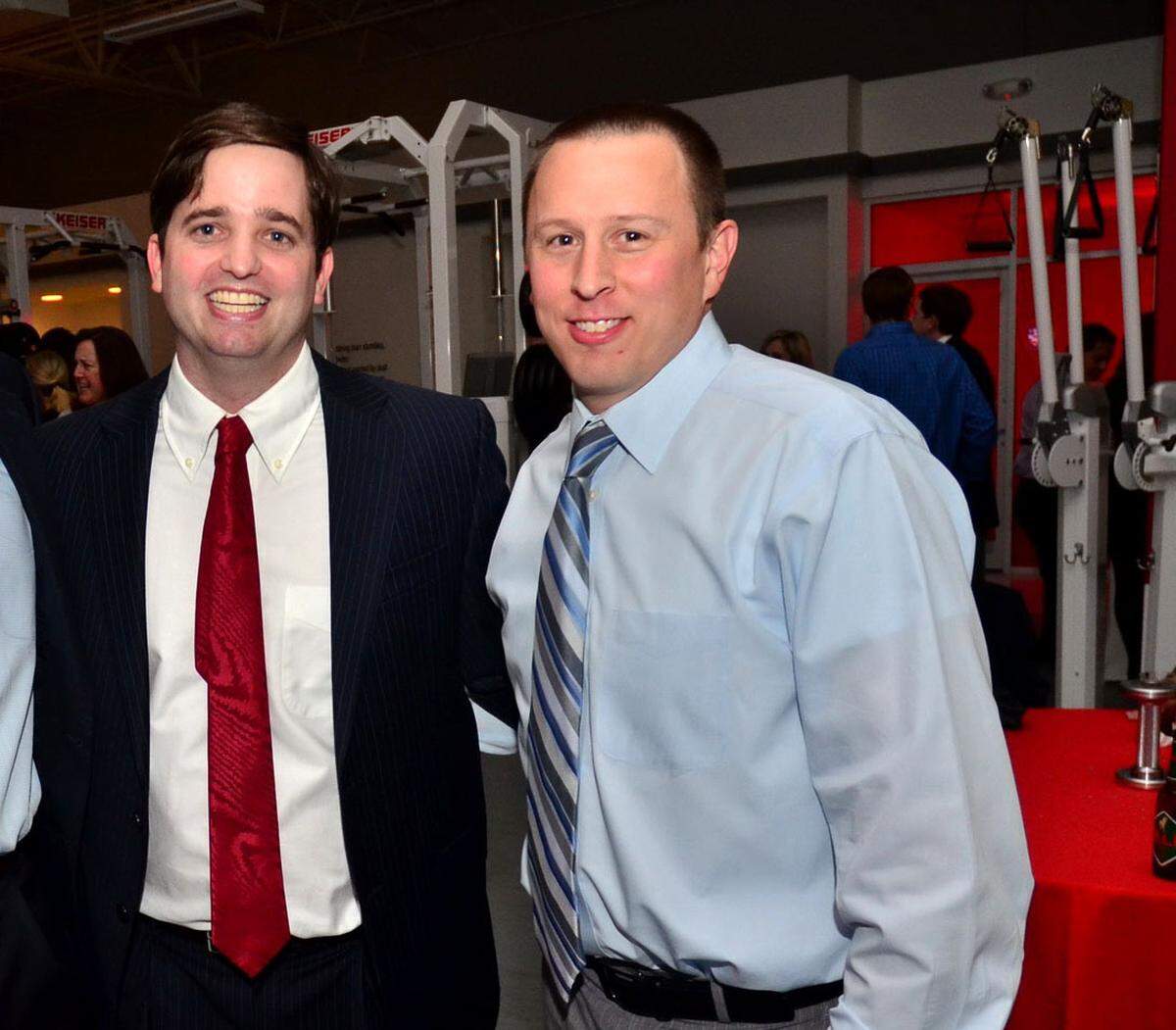
“We’ve met every reporting obligation that we have,” said Felts, who has worked for prominent North Carolina Republicans such as U.S. Sen. Ted Budd and former Gov. Pat McCrory. “We’ve passed everything and there have been no issues.”
But state House Minority Leader Robert Reives on Wednesday called on the Joint Legislative Commission on Governmental Operations to investigate the spending, saying it would be a “good opportunity for the committee to exercise real oversight and live up to its purported mission.”
The grant does not require the performance center to put contracts out to bid to get products or services for the best price, said Marcia Evans, the state budget office’s spokeswoman.
The performance center needs to provide more information about how some expenditures qualify as capital needs, Evans said. Internal auditors are making sure the center knows what are acceptable purchases with state money, she said.
State lawmakers’ limited description for how the money should be spent makes it difficult for the budget office’s staff to identify what’s proper and what isn’t, Evans said.
“If the grant description is written in a very vague way, you do have to ask additional questions to make sure it’s all connected,” she said of the expenditures.
Olympic ambitions
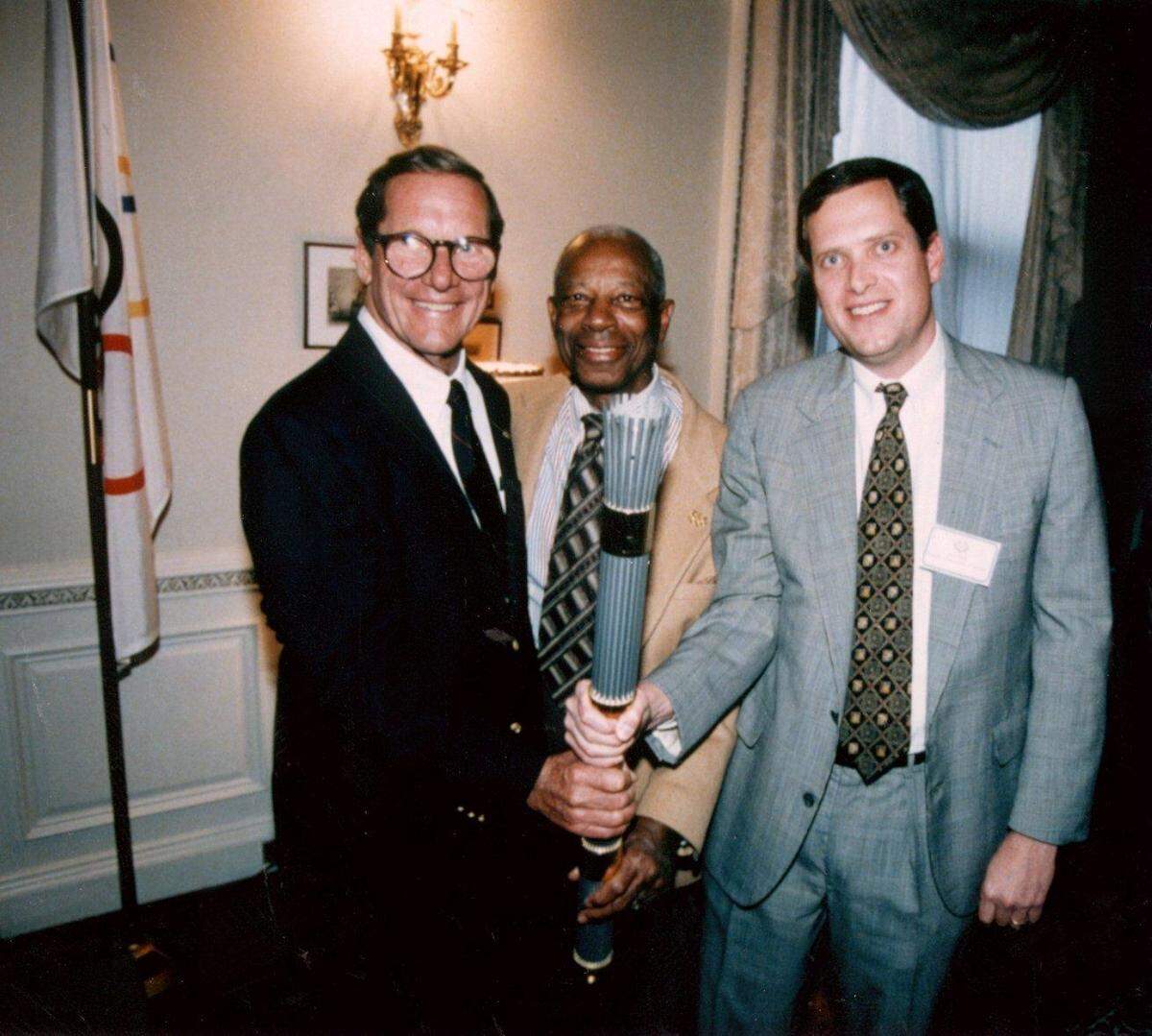
State incorporation records show two members of the family that founded the Charlotte-based Belk department store chain — Belk and Suzanne Belk — started the U.S. Performance Center in 2012 with Koerner, who listed a background in exercise science.
Ike Belk’s grandfather, Irwin, who died in 2018, was a member of the U.S. Olympic Committee for decades, and a former state lawmaker.
The center describes itself as an elite training and fitness center that also conducts research focused on “advances in precision medicine, genomics, nutrition, and psychology to groundbreaking treatments for stroke and spinal cord injuries.”
Belk and Koerner in news reports and in records provided to the state budget office have described the center’s potential to build the Charlotte-area economy through increased tourism as athletes visit for training and events. Felts said the center is a factor in Charlotte possibly winning the World Military Games in 2027.
They also say the center’s high-tech facilities foster research that could lead to breakthroughs in health care and nutrition.
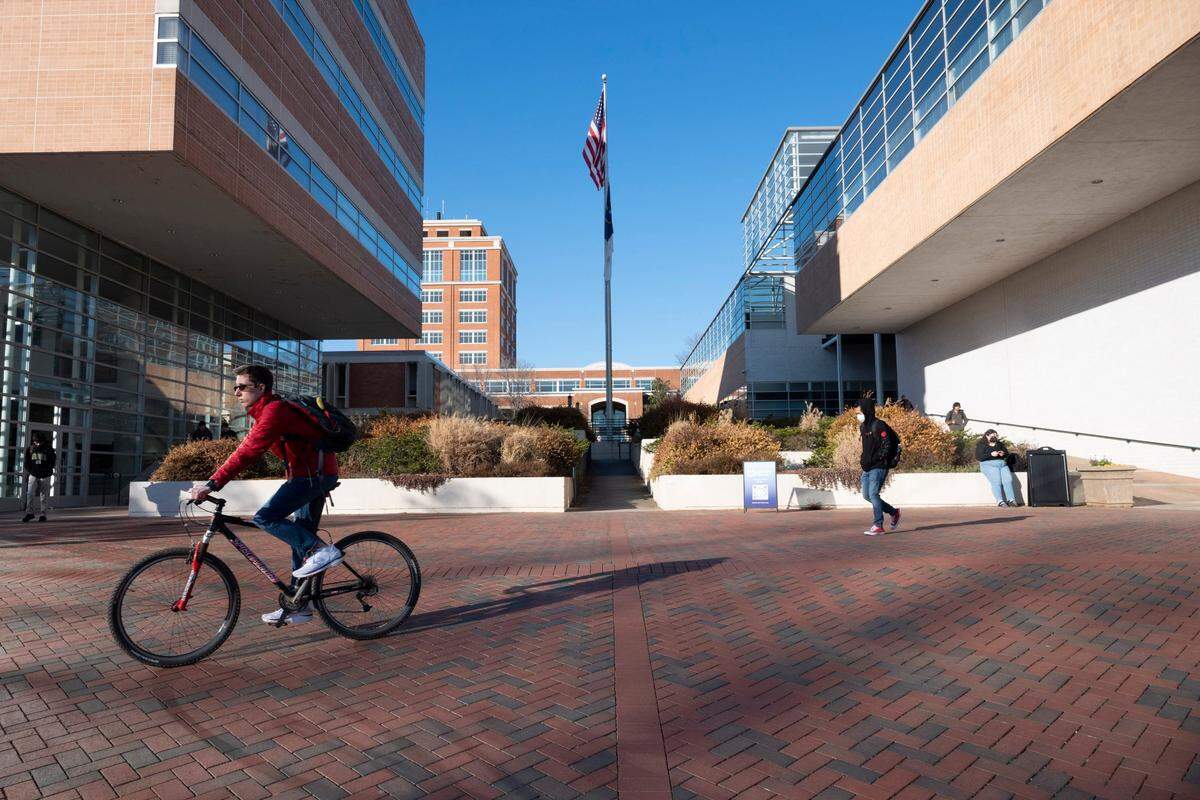
The center operated out of a south Charlotte shopping center for nearly a decade before moving to space on UNC Charlotte’s campus in 2021. In recent years it has attracted commitments from 16 US Olympic national governing bodies, half of whom now have their athletes and much of their operations staff at the center, Felts said.
For the most part, these are governing bodies over sports that raise limited revenue from event tickets, corporate sponsorships and the rest. Among them are field hockey, taekwondo, archery, rugby and skateboarding.
A local Colorado Springs TV station, KRDO, did a series of reports earlier this year about the Olympic and Paralympic Training Center there losing athletes in those sports to the North Carolina business. Colorado Springs is also home to the U.S. Olympic and Paralympic Committee, and calls itself the “Olympic City.”
Expense reports filed with the N.C. budget office show the center and the legacy foundation have been using the state grant money to pay several of these governing bodies more than $100,000 in grants. USA Taekwondo has received $810,000, for instance; USA Judo received $539,000; USA Field Hockey $522,000; and USA Football $500,000.
Among the facilities in development is a bobsled training center on UNC Charlotte’s campus, state records say. It will cost $6 million, the Niner Times student newspaper reported.
The performance center and the foundation have also paid USA Bobsled $525,000 in grants, the expense records show.
While the performance center lists its state-funded grants to the different sport organizations as a “donation,” other state-funded awards by the affiliated non-profit legacy foundation are described as “National Governing Body Relocation & Recruitment Support.”
In some cases, the purpose of the spending is hard to discern. For example, the center reported $675,000 paid to “USPC Services” on April 13, 2023, with the explanation of “USPC Services paid by grant.”
Money in state budgets
The $25 million for the performance center first appeared in the state House’s 2021 budget proposal, while the state Senate included no funding. The $30 million for the legacy foundation was in the state House’s budget proposal in 2023, while the state Senate offered $10 million, budget records show.
This spending drew little attention when the budgets passed. The News & Observer inquired about it for its Power & Secrecy investigative series, which is examining state budget earmarks of taxpayer money that benefit people and organizations with political connections, including for-profit businesses. The Assembly was first to publish a story on the performance center and legacy foundation spending this week.
After reading the newsrooms’ reporting, Reives, a Chatham County Democrat, made his case for the legislative commission investigation in a statement posted on Medium. “I am glad that OSBM and the State Auditor are aware of the potential issues with how this funding is being spent. We should not have to wait for outside parties and reporters to do this work,” he wrote.
Both legislative grants are among hundreds totaling nearly $8 billion dollars that state lawmakers have handed out through state budgets to local governments, nonprofits and some for-profit companies since 2021, state records show.
The N&O asked state lawmakers who are chief budget writers and the staff of House Speaker Tim Moore and Senate leader Phil Berger to identify the lawmaker or lawmakers who sought the spending for the performance center and the legacy foundation. But none did.
Republicans hold a super majority in both chambers in the legislature, and two contractors who have received hundreds of thousands of dollars in consulting fees from the U.S. Performance Center’s grants have strong ties to the state GOP.
Marion Warren is a former district court judge and director of the state Administrative Office of the Courts under then Chief Supreme Court Justice Mark Martin, a Republican. Last year, UNC-Wilmington hired Warren as its legislative liaison.
The center made payments to Warren’s consulting firm Juristrat totaling $390,000 in 2022 and 2023, records show. Federal authorities are seeking information about Warren and Juristrat as part of a grand jury investigation into Caitlyn’s Courage, a newly-formed nonprofit that received $3.5 million from state lawmakers to launch an electronic monitoring program in domestic violence cases.
The center made payments to Seneca Jacobs, an attorney and engineer originally from Robeson County, and his law firm totaling $373,000 for consulting services in 2022 and 2023. Most of the roughly $300,000 in campaign contributions Jacobs has made since 2012 have gone to Republicans, state election board records show.
Neither Warren nor Jacobs returned The N&O’s phone calls or texts.
Both “initially provided legal services and strategic counsel on how to best partner with colleges and universities,” Felts, the U.S. Performance Center spokesman, said in a written statement. The center has since shifted that work to another law firm, he said.
The $13,000 in back taxes the center paid out of the state grant were the result of “a few employees that had been inadvertently misclassified,” Felts said.
“Our accountants reviewed the previous submissions, determined additional taxes were owed, and USPC paid the additional taxes in a timely fashion,” he said.
Felts’ business, The Indie Group NC, also received $60,000 in grant money from the center last year for marketing, records show.
Arnold, the state budget office’s deputy director, said his internal auditors’ review of center expenses should be completed by the end of September.
EDITOR’S NOTE: This story was updated to include comments from state House Minority Leader Robert Reives.
Power + Secrecy is a News & Observer investigative series exploring both in North Carolina state government, especially the N.C. General Assembly since 2011, when Republican lawmakers won control of both chambers. Find stories at www.newsobserver.com/topics/power-secrecy
This story was originally published August 7, 2024 at 7:59 AM with the headline "Charlotte-based company used NC grant for ‘capital needs’ to pay late taxes, travel bills."