NC House approves new definition of antisemitism under state law in bipartisan vote
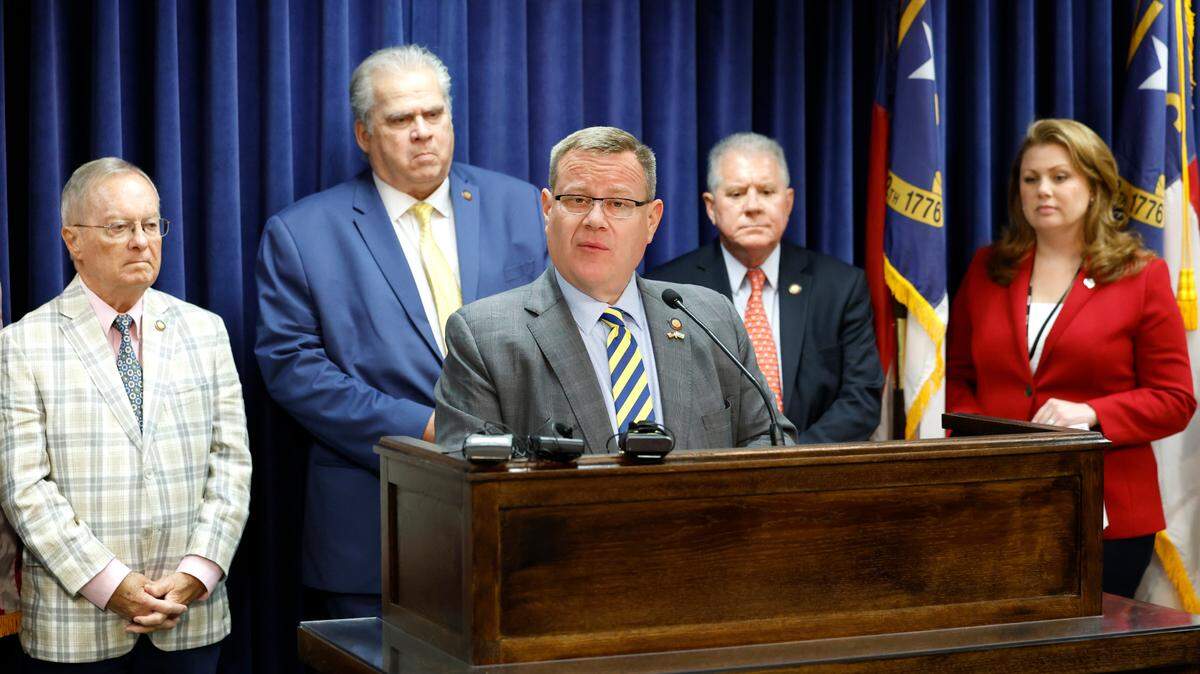
The North Carolina House moved on Wednesday toward adopting a new definition of antisemitism under state law that lawmakers say is necessary to clearly outline examples of antisemitic incidents that shouldn’t be tolerated.
Critics of the bill being spearheaded by House Speaker Tim Moore, which received bipartisan support, argued as it was being fast-tracked through the House that the definition being considered is too broad, and could chill constitutionally protected speech like criticisms of Israel.
But lawmakers in both parties that supported House Bill 942, named the “Shalom Act,” rejected the notion that it would infringe on free expression, and said it shouldn’t be controversial to adopt a definition that several other states and countries have adopted as well.
After clearing a committee on Wednesday morning, the bill was taken up directly on the House floor Wednesday afternoon, passing in a near-unanimous 105-4 vote. It has to be voted on by the Senate before lawmakers can send it to Gov. Roy Cooper.
Democratic Reps. Pricey Harrison, Nasif Majeed, Marcia Morey and Renée Price voted against the bill.
How the bill would combat antisemitism
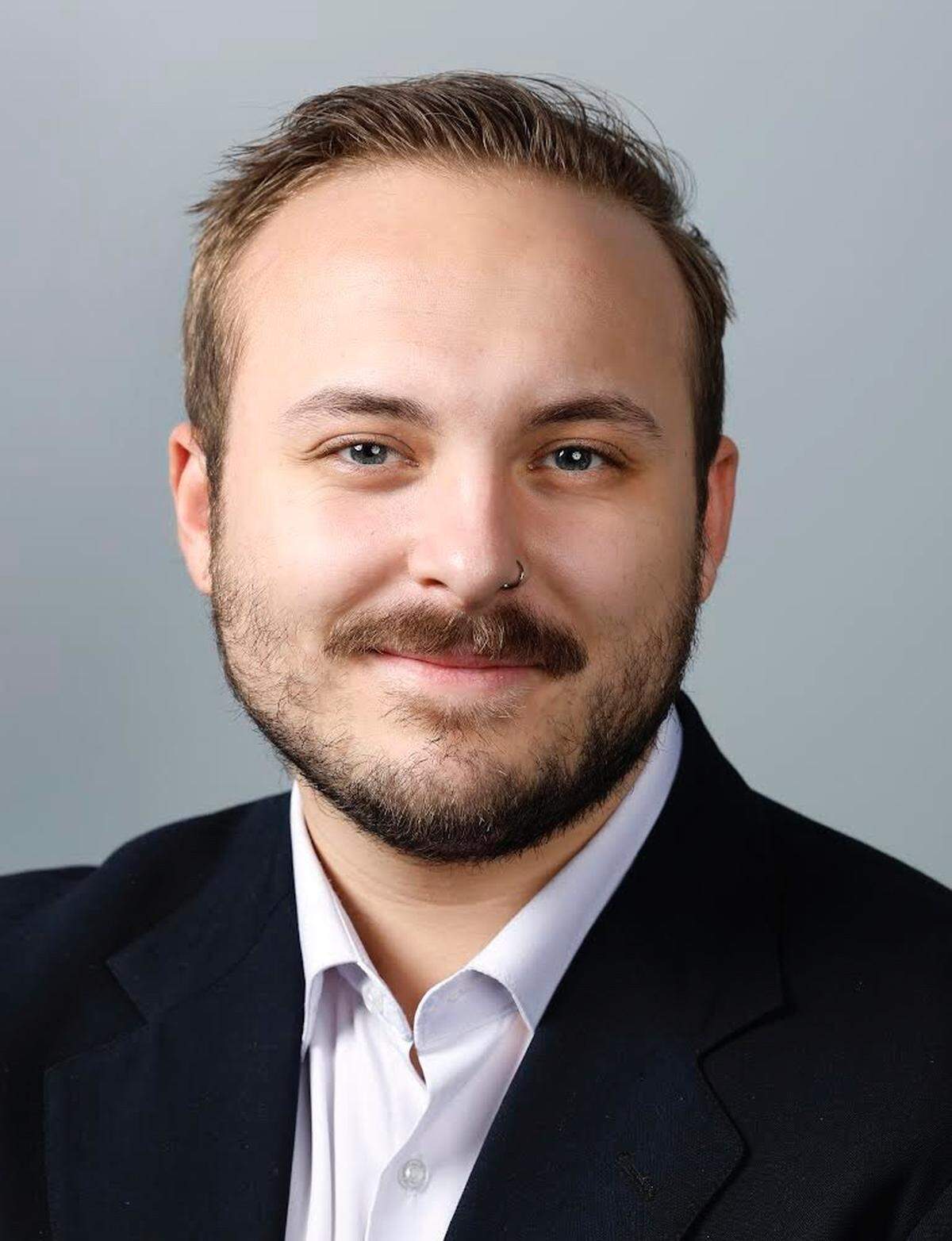
Speaking in support of it on the House floor, Democratic Rep. Caleb Rudow of Buncombe County said the bill would help fight antisemitism and would be a “critical education tool” for the public.
Rudow, who is Jewish, said the bill is needed to combat antisemitism that is on the rise again today.
He said he has spoken with parents and school administrators across the state who shared “shocking” stories of Jewish students not feeling safe going to school, swastikas being spray-painted on campuses, and kids “who have been bullied and harassed, all because they are Jewish.”
Rudow said that the bill is not about chilling speech, but raising awareness about antisemitism. He also said that the definition being considered could be a useful tool for judges to consider in hate crime cases.
He gave the example of someone accusing the Jewish people or the state of Israel of inventing or exaggerating the Holocaust, which is considered antisemitic under the definition the House voted to adopt.
“Someone could still post that online, they could shout it out loud — they would still be protected under freedom of speech laws,” Rudow said. “But if that person then assaulted a Jewish person, that prior statement could be considered by a judge during sentencing.”
What is the IHRA definition of antisemitism?
The International Holocaust Remembrance Alliance adopted a working definition of antisemitism in 2016.
The definition, which the IHRA stresses is not legally binding, states that “Antisemitism is a certain perception of Jews, which may be expressed as hatred toward Jews. Rhetorical and physical manifestations of antisemitism are directed toward Jewish or non-Jewish individuals and/or their property, toward Jewish community institutions and religious facilities.”
Groups opposed to the bill noted that seven of the 11 contemporary examples of antisemitism listed on the IHRA’s website relate to criticism of Israel.
One of the listed examples of antisemitism is “...claiming that the existence of a state of Israel is a racist endeavor.”
The IHRA’s website says that antisemitism “might include the targeting of the state of Israel, conceived as a Jewish collectivity. However, criticism of Israel similar to that leveled against any other county cannot be regarded as antisemitic.”
The legislation the House approved on Wednesday would adopt the IHRA’s definition, and the examples of antisemitism it contains, “as a tool and guide for training, education, recognizing, and combating antisemitic hate crimes or discrimination and for tracking and reporting antisemitic incidents in this State.”
The bill also states that it “shall not be construed to diminish or infringe upon any right protected under the First Amendment to the United States Constitution or the Constitution of North Carolina.”
Jewish and Muslim groups say the bill limits free speech
Several Jewish and Muslim advocacy groups held a press conference outside the legislative building to condemn the bill, saying it unfairly conflates criticism of the Israeli government with antisemitism.
Abby Lublin, executive director of Carolina Jews for Justice, accused the bill’s Republican sponsors of exploiting Jewish people for political gain.
“We — I’m speaking as Jewish people in the United States — have experienced safety in this country for hundreds of years, in large part due to the constitutional rights and protections of minorities,” she said. “So we are not going to let fear, or in this case fear-mongering and political stunting to lead us to trade in these rights and protections.”
Lela Ali, the co-founder of Muslim Women For, said the bill attempts to pit Muslims and Jewish communities against one another.
“This bill will blur the line between legitimate criticism of the well-documented war crimes and human rights violations committed by the Israeli government and antisemitism,” she said. “It will give a green light to censor and undermine political expression in support of Palestinian rights.”
Lublin also noted that comments Republican Lt. Gov. Mark Robinson has made in the past about the Jewish community would be considered antisemitic under the definition proposed in the bill.
In 2017, Robinson wrote on Facebook “I am so sick of seeing and hearing people STILL talk about Nazis and Hitler and how evil and manipulative they were. NEWS FLASH PEOPLE, THE NAZIS (National Socialist) ARE GONE! We did away with them.”
Robinson, who is running for governor, has also questioned the Holocaust, at one point putting quotation marks around “six million Jews” when referring to the number of murders carried out by the Nazi Party in a Facebook post.
He also called reports that Adolf Hitler disarmed millions of Jewish people before taking them to concentration camps “hogwash.”
In a statement on Wednesday, Robinson said he “wholeheartedly” supported the bill and praised it as a “proactive” effort to “enhance awareness, educate individuals, and equip them with the necessary tools to identify and counter antisemitic hate crimes and discrimination.”
Meanwhile, Moore, in response to a reporter’s question about Robinson’s remarks, said, “I don’t want to comment on comments anyone else made without knowing them, knowing the context.”
Anderson Clayton, the chair of the North Carolina Democratic Party, criticized Moore for not addressing Robinson’s past comments.
“Republicans have no credibility when it comes to combating antisemitism while their nominee for governor has downplayed the horrors of the Holocaust and promoted and embraced some of the ugliest conspiracy theories imaginable about the Jewish people,” Clayton said in a statement.
“Any attempt to address rising antisemitism in our state must start by denouncing these comments and urging him to apologize for these statements.”
This story was originally published May 8, 2024 at 3:12 PM with the headline "NC House approves new definition of antisemitism under state law in bipartisan vote."
CORRECTION: Mark Robinson has said that reports of Adolf Hitler disarming Jewish people were “hogwash.” A previous version of this story was unclear about the context of his comment.