NC Republicans take aim at ESG — ‘green’ — investing in state pension fund
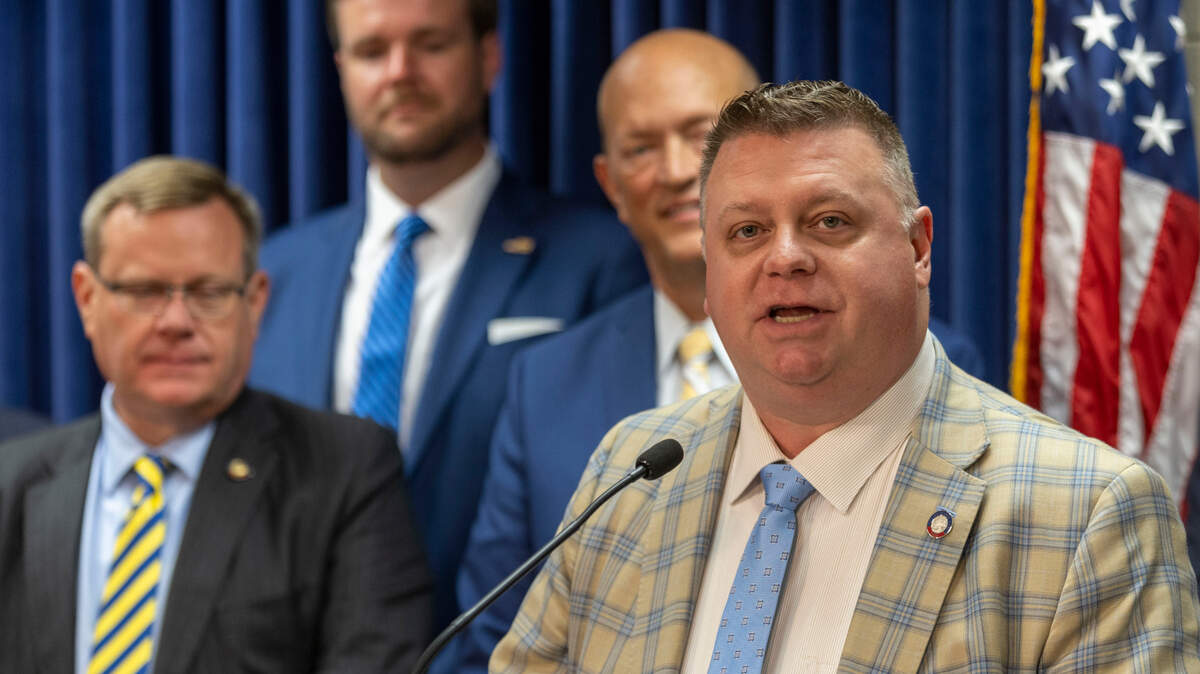
ESG, an investing approach that factors in companies’ environmental, social and governance policies — in addition to their financial outcomes — has been in the cross-hairs of Republican-controlled state legislatures.
In the past year, more than a dozen states have limited ESG investments by their pension funds. This month, a similar ESG debate is playing out in North Carolina.
Last Tuesday, the Senate Pensions and Retirement and Aging Committee approved Senate Bill 737, which lists the criteria the state treasurer is allowed to consider when investing North Carolina’s pension fund. Under the bill, the treasurer may only use environmental or social factors if “they present economic risks or opportunities that qualified investment professionals would treat as material economic considerations.”
On Wednesday, the House Committee on State Government was scheduled to address House Bill 750, which similarly prohibits the state pension fund from accounting for environmental, social or governance effects.
Each of the bill sponsors is a Republican.
State Treasurer Dale Folwell manages the North Carolina Retirement Systems, which each month makes payments to around 350,000 people. As of April 28, the fund was valued at $113.8 billion, according to the Treasurer’s Office.
Folwell, who is running for governor as a Republican, has been a vocal critic of ESG.
In December, he called for the CEO of BlackRock to resign over the investment firm’s support of “ideological” initiatives like “the global warming agenda.” Folwell no longer allows BlackRock to make its governance decisions using North Carolina shareholder proxy votes.
“We will be voting those proxy shares in a way that reflects the culture and the beliefs of North Carolina,” he told The News & Observer this week.
Folwell sticks with BlackRock, despite his objections
While he’s criticized BlackRock, Folwell has continued to invest through the firm.
In December, the North Carolina Retirement Systems had $14 billion in assets invested by BlackRock. The state held an additional $55 million in BlackRock stocks or bonds.
The exposure has since increased. As of March 31, the North Carolina pension fund had $16.6 billion invested through BlackRock and $65.7 million in BlackRock stocks or bonds.
Folwell said he has stuck with BlackRock due to its low fees and his overall fiduciary responsibilities. Moving out of BlackRock, he estimated, would cost the state around $10 million.
“We, and previous treasurers, hired Blackrock to manage our money and make money, not to politicize the money of the people of North Carolina with ESG philosophies,” Folwell said.
Other states, including South Carolina and West Virginia, have divested their pension funds from BlackRock in response to its ESG policies.
Last month, North Carolina House Republicans also filed a bill that would prohibit financial institutions from “discriminating based on political affiliation or value-based or impact-based criteria, including environmental, social, and governance credit factors.”
‘It should be a free and open market’
ESG investing, though controversial, has been rapidly expanding worldwide. According to Bloomberg, global ESG investments may reach $50 trillion by 2025, three times the level in 2014.
Gauging a company’s social impact can be nebulous, which has left ESG funds exposed to hypocrisy accusations. Last year, the S&P 500 was criticized for removing the electric car company Tesla from its ESG Index while keeping ExxonMobil.
Some organizations are trying to establish widely accepted standards to measure ESG effects, and proponents say this style of investing is not the boogeyman depicted by many Republicans.
“It’s really about accountability and creating a framework and a common language for investors who want to know that dollars are going into companies that have best practices,” said Erik Lensch, CEO of Leyline Renewable Capital in Durham.
Leyline lends to companies it believes work to mitigate climate change.
ESG, Lensch said, gained popularity in part because “there’s increasing interest from a large percentage of society not to be invested in fossil fuels-related companies.”
But recently, he’s seen this approach to investing become “a political punching bag.” In March, President Joe Biden used his first-ever veto to block a Republican proposal that would restrict asset managers from considering ESG factors.
“It stands to leave our state and pension funds behind in old ways of investing,” Lencsch said of the ESG backlash. “It should be a free and open market. I think that state pension funds should be able to allocate and be part of the conversation.”
This story was produced with financial support from a coalition of partners led by Innovate Raleigh as part of an independent journalism fellowship program. The N&O maintains full editorial control of the work.
This story was originally published May 4, 2023 at 5:30 AM with the headline "NC Republicans take aim at ESG — ‘green’ — investing in state pension fund."