Sea creature with ‘large’ throat pores found off Antarctica. It’s a new species
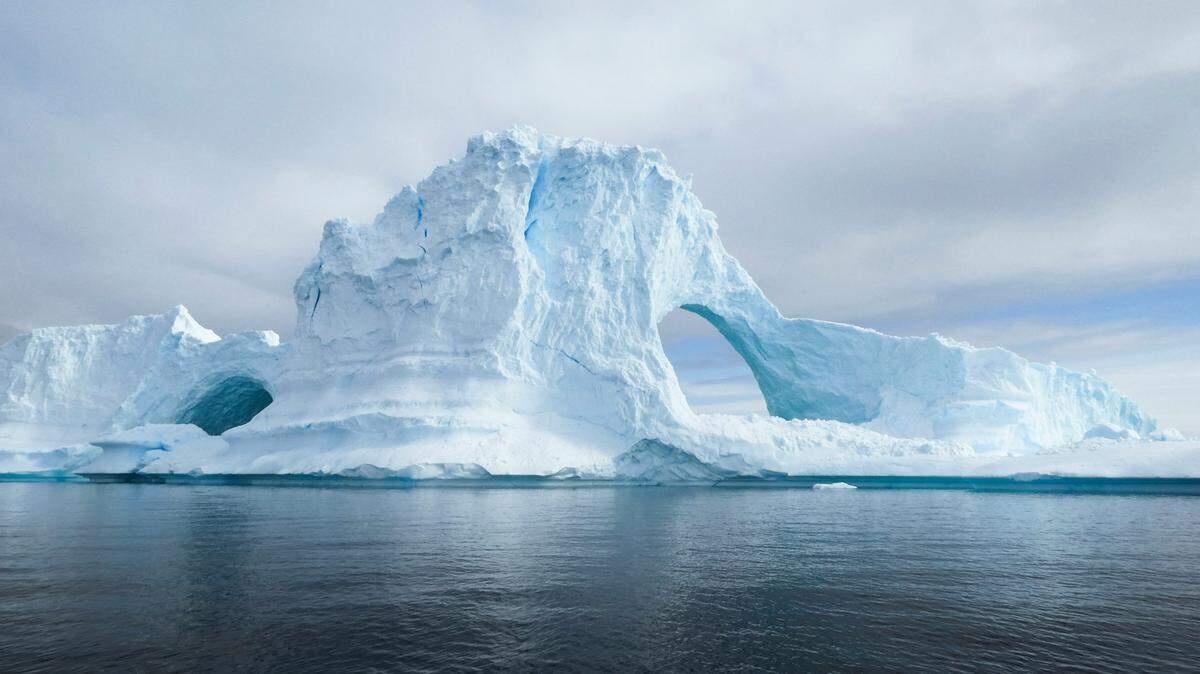
Off the coast of Antarctica, scientists aboard a research vessel sorted through the specimens they’d collected. Among the catch were two sea creatures with “large” pores on their throats.
It took decades to finally realize it, but they turned out to be a new species.
Mikhail Nazarkin was looking through the archive collections at the Zoological Institute of the Russian Academy of Sciences in St. Petersburg, Russia, when “two unusual” fish caught his attention, he wrote in a study published Sept. 6 in the peer-reviewed journal Polar Biology.
The fish had been caught near Antarctica during a 1989 research cruise, “a routine part of the Soviet Antarctic Research Program,” Nazarkin told McClatchy News. At first glance, the fish looked like a known species but, when Nazarkin looked closer, he realized they had several unique features.
Nazarkin realized he’d discovered a new species: Ophthalmolycus kosmonautis, or the Cosmonauts Sea eelpout.

Cosmonauts Sea eelpouts have “moderately elongate” bodies, reaching about 7 inches in length, the study said. Their heads have “large” eyes, “thin” upper lips and several “large” sensory pores on the throat.
Photos show the “chocolate-brown” coloring of the new species.
“All the pores on the head of these, and many other fishes, are connected to canals inside the bones of the head,” Nazarkin said via email. “These canals contain receptors sensitive to mechanical vibrations of water. This system helps fish navigate in space and perceive the movements of other objects.”
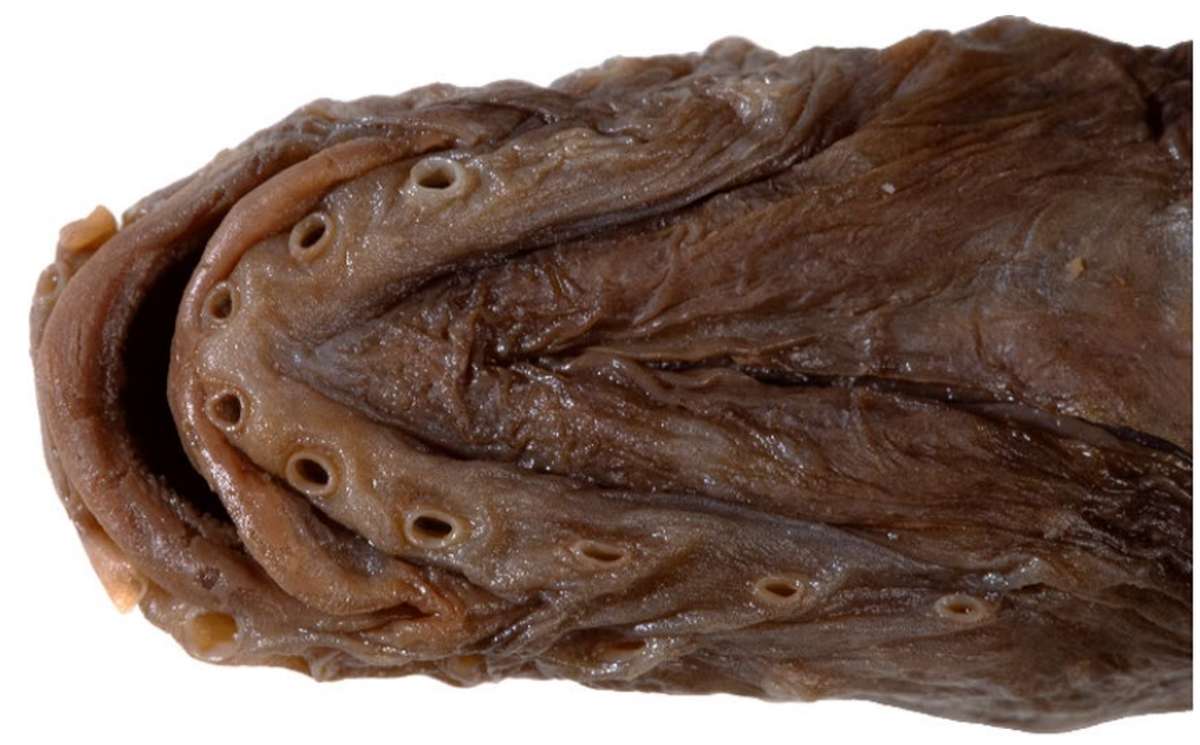
Cosmonauts Sea eelpouts were found at a depth of about 1,000 feet, but very little is known about the lifestyle and behavior, the study said.
In general, eelpouts are poorly known. “Due to their rarity, little is known about lifestyle features of these fishes,” Nazarkin said. “They are bottom dwellers which feed on small benthic invertebrates.”
Nazarkin said he named the new species after the Cosmonauts Sea where the new species was discovered and, so far, the only place it has been found.
The Cosmonauts Sea is the proposed name for a section of the Southern Ocean near Antarctica and was “named in 1962 by the Soviet Antarctic Expedition,” according to a 2023 article from the International Institute for Law of the Sea Studies. “Leading geographic authorities and atlases do not use the name… though state-issued maps created by the Soviet Union and the Russian Federation do.”
The new species was identified by its sensory organs, pores, skeleton, coloring, body proportions and other subtle physical features, the study said.
This story was originally published September 11, 2025 at 1:39 PM with the headline "Sea creature with ‘large’ throat pores found off Antarctica. It’s a new species."