‘Remarkable’ 320-year-old warship explored as shifting sands reveal new sections
In November 1703, the wind over the northern Atlantic Ocean took a turn.
The winds grew strong and battered the coast of the United Kingdom. Over the next two weeks, a freak storm with hurricane-force winds would grow to become one of the most devastating in recorded history.
More than 10,000 people were killed, and the strength of the British Royal Navy was depleted as hundreds of ships were pulled to the bottom of the sea.
One of these was the Northumberland, a 70-gun warship built in 1679 and part of the fleet of Queen Anne, the last Stuart monarch.
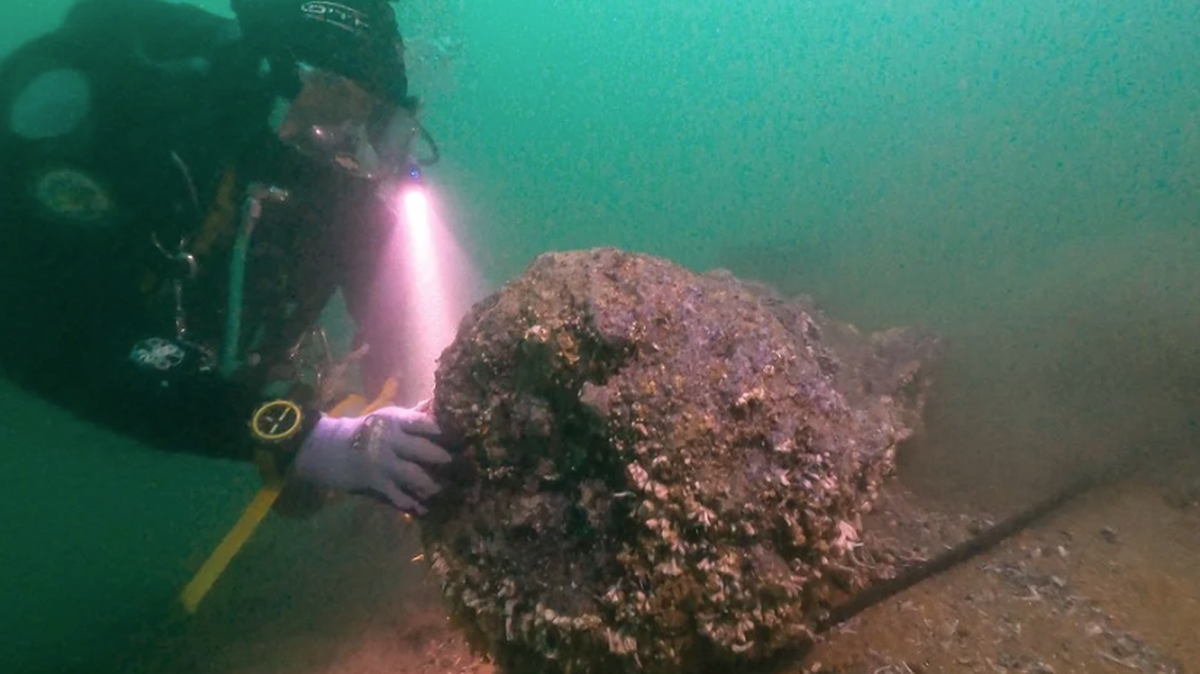
It would be centuries before the wreck of the Northumberland would be discovered off the coast of Kent, but now, shifting sands and strong currents along the coast are bringing more details of the ship to light.
Recent dives on the 320-year-old wreck have found “that a remarkably large section of the warship may survive intact on the seabed,” according to a July 31 news release from Historic England.
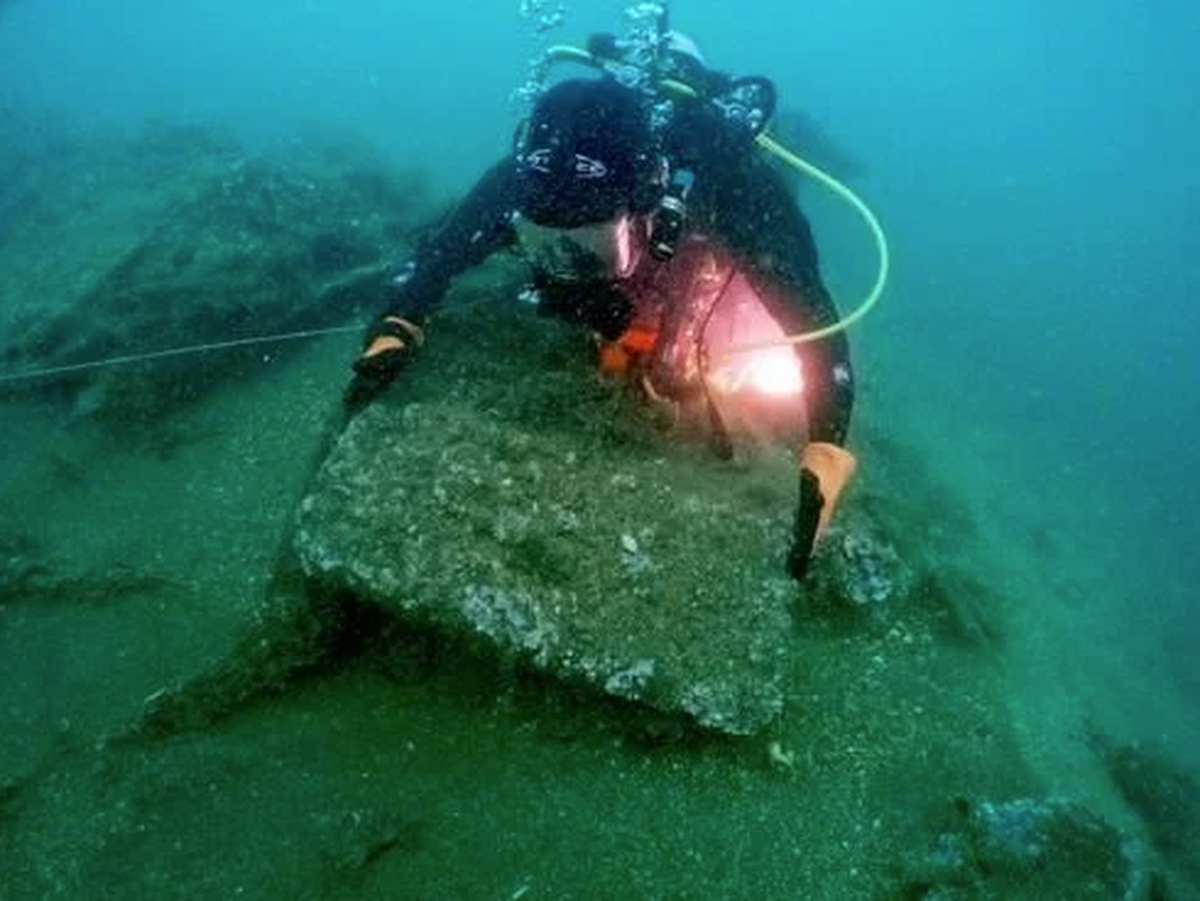
Research diver Dan Pascoe, licensed to explore the wreck, found “organic material such as wooden decks, wooden chests — some including cannon balls and the ship’s rope — have survived particularly well,” according to the release. “This is due to being covered by sand and seabed sediments for hundreds of years,” Historic England said.
Divers have been able to see more of the wreck than ever before with shifting seafloor sand and marine organisms boring into the wreck, but it also leaves it in fragile condition, according to the release.
The ship was designated part of the Heritage at Risk Register in 2017, but has been part of the shipwreck registry since 1981.
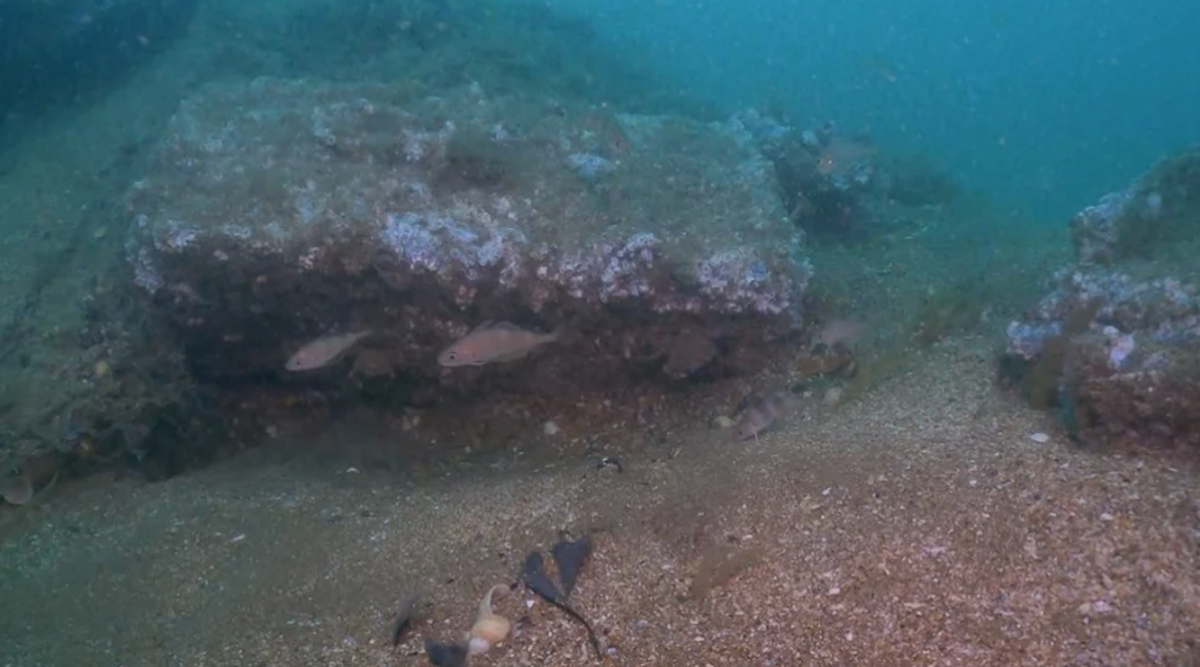
Surveys of the wreck previously found an “extensive hull structure” with the frame of the ship, “much more than previously thought,” Historic England said.
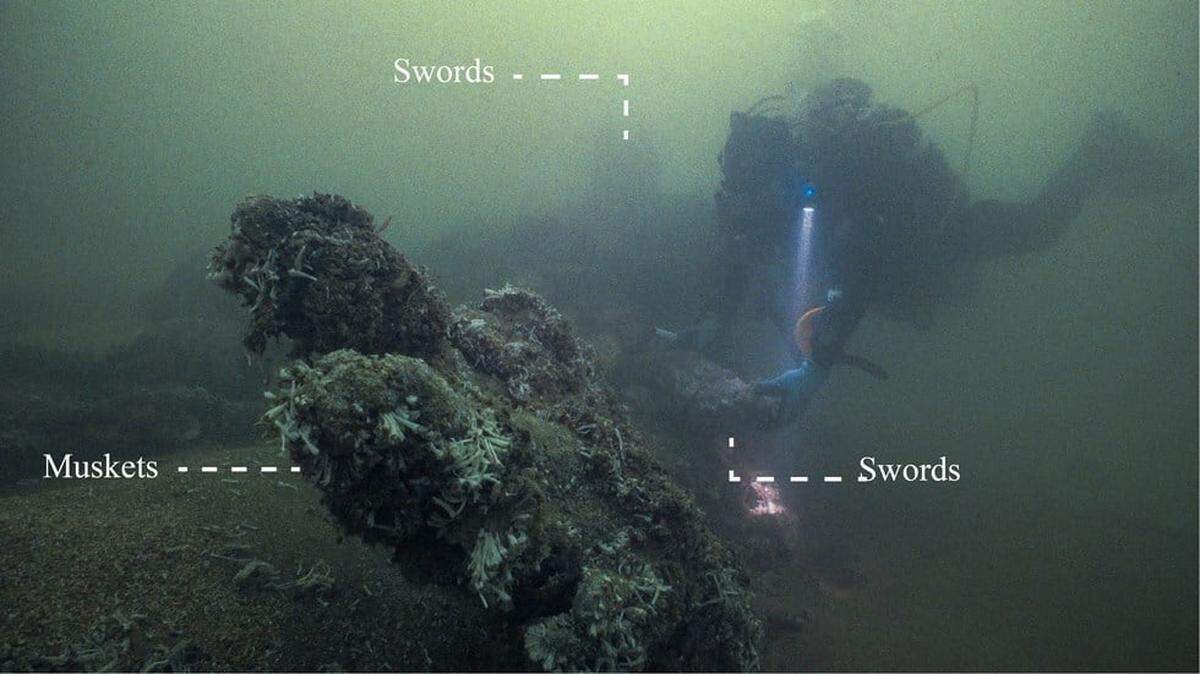
There were also wooden decks, coils of rope, chests (sealed and open), iron cannons, a wooden gun carriage, swords, muskets and copper cauldrons, according to the release.
“The completeness of the Northumberland wreck site is remarkable. Historic England’s diving work is so important to ensure we continue to record what we can of this site. It is a race against time as more of the Northumberland wreck becomes exposed,” Paul Jeffery, marine team leader of Historic England, said in the release.
The ship sank on Nov. 26, 1703, as part of the navy lost in the “Great Storm,” and is one of four warships known to be caught in the winds off the coast of Kent, Historic England said.
Two others, the Restoration and the Stirling Castle, were discovered in 1981 and 1980 respectively. The third, named the Mary, has yet to be found.
All of the ships were commissioned during Queen Anne’s reign between 1702 and 1714, and were the last group of ships built in the Stuart style, according to Historic England.
“The Northumberland has the potential to be one of the best-preserved wooden warships in the UK,” Pascoe said in the release. “However, at (65 feet) underwater and 9 miles offshore it is out of sight and mind to most people.”
Kent is a county in southeastern England on the coast of the English Channel just outside London.
This story was originally published August 1, 2025 at 12:45 PM with the headline "‘Remarkable’ 320-year-old warship explored as shifting sands reveal new sections."