‘Ghost’-like river creature found lurking in rock crevices. It’s a new species
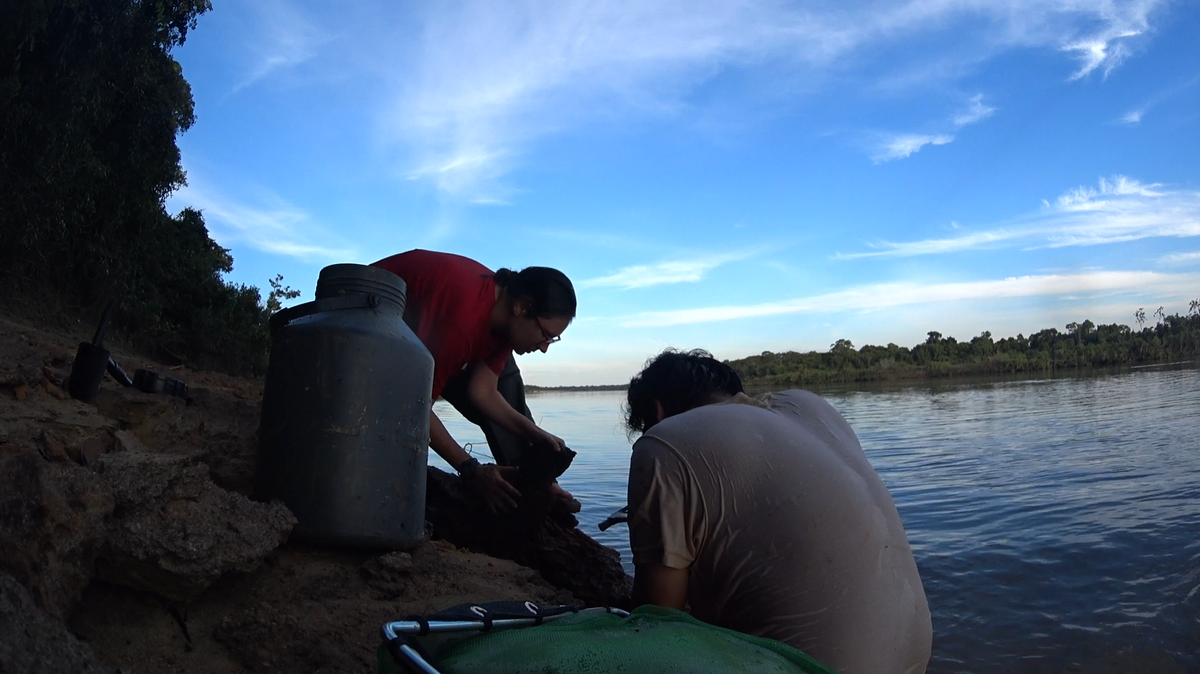
On a riverbank in a remote part of central Brazil, a team of scientists broke open the stones “with a hammer and pickaxe” in search of aquatic life. The unconventional method worked and exposed a “ghost”-like river creature.
It turned out to be a new species.
Researchers visited Javaés River several times in 2017 and 2018 to survey its aquatic life. The river had been surveyed before, but the team had a slightly different approach this time: Instead of focusing on the main water channel, they would investigate the rocky riverbank, according to a study published July 14 in the peer-reviewed Journal of Fish Biology.
To do this, researchers visited “during the dry season, when water levels are lower and fishes are concentrated,” study co-author C. David de Santana told McClatchy News. Next, they “used hammers and pickaxes to break apart rocks and expose the crevices where the fish were hidden.”
The labor-intensive process eventually led the team to find 15 unfamiliar-looking fish, the study said. Researchers took a closer look at the fish, analyzed their DNA and realized they’d discovered a new species: Porotergus sambaibensis, or the Sambaíba ghost electric knifefish.
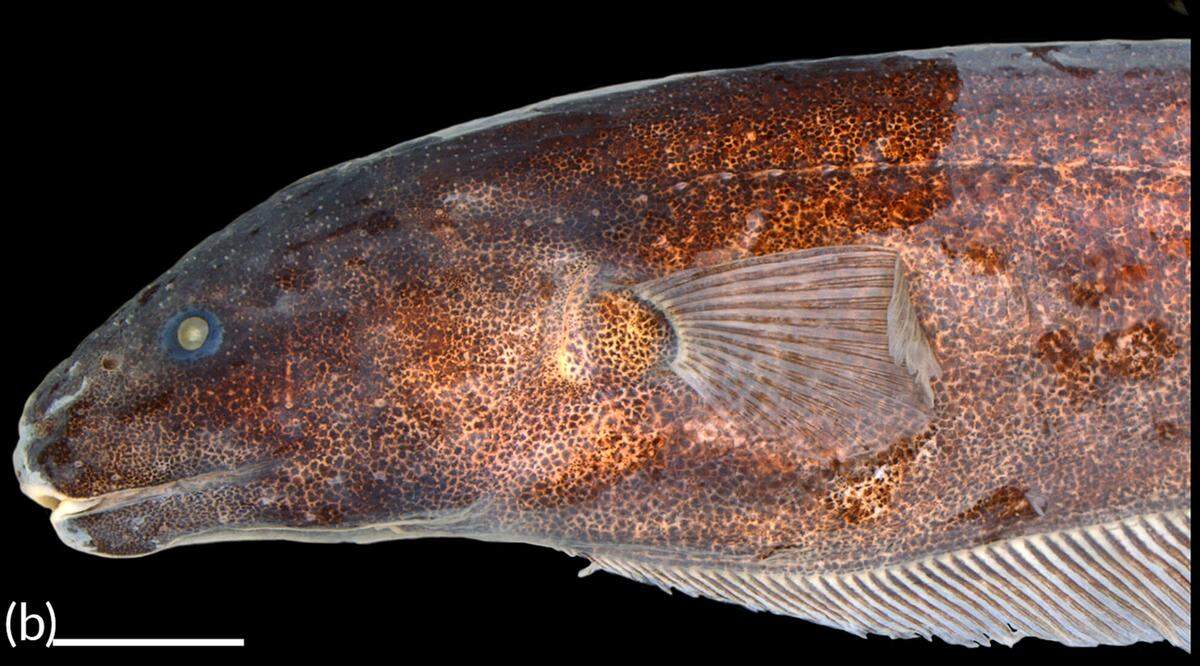
Sambaíba ghost electric knifefish have “compressed” bodies reaching about 4 inches in length, the study said. Their eyes are “small” and “completely covered by (a) thin membrane.”
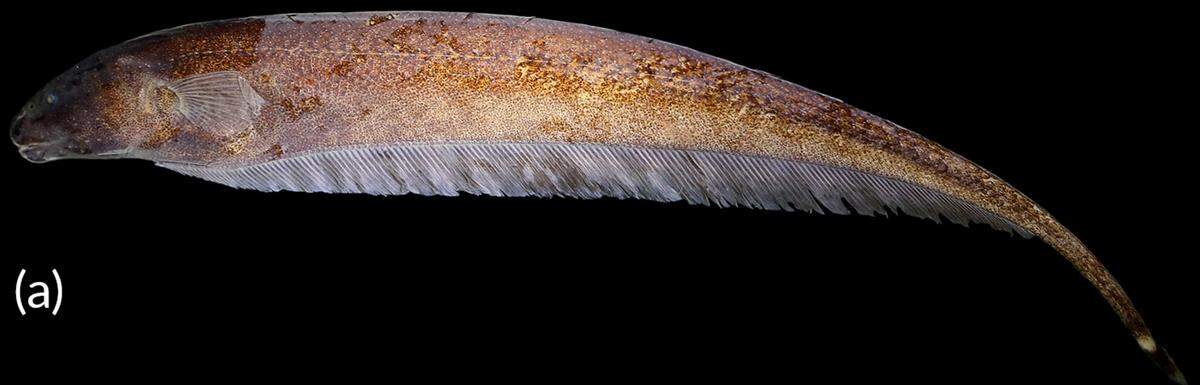
Photos show the “dark brown” coloring of the new species.
Sambaíba ghost electric knifefish are “nocturnal,” live “concealed in rock crevices” and are able to navigate “tight spaces,” de Santana said via email. They likely “feed on aquatic insect larvae, and small crustaceans.”
Like other ghost knifefish, the new species “produces weak electric discharges” used for “navigating complex habitats in total darkness or turbid waters” and “communication (e.g., spacing, courtship, territorial behavior),” de Santana said. “The discharges are completely harmless to humans and cannot be felt. They are fundamentally different from the high-voltage shocks produced by electric eels.”
Researchers said they named the new species after Sambaíba, “a rocky bank in the Javaés River,” where it was first discovered and, so far, the only place where it has been found. The site is in central Brazil and a roughly 1,280-mile drive northwest of Rio de Janeiro.
“The discovery of Porotergus sambaibensis underscores the substantial amount of biodiversity that remains undocumented in the Amazon, particularly in specialized microhabitats such as rocky banks and rapids, which are often overlooked in standard survey efforts,” de Santana said.
The new species is “also a symbol of the hidden, irreplaceable diversity of the Amazon and a stark reminder that many species could disappear before we even realize they exist unless proactive efforts in conservation, research, and habitat protection are increased,” he said.
The new species was identified by its coloring, fin shape, body shape, teeth, bone structure and other subtle physical features, the study said. DNA analysis found the new species had at least about 4% genetic divergence from related species.
The research team included Marina Mendonça, Luiz Peixoto, Carine Chamon, A. Akama and C. David de Santana.
This story was originally published July 23, 2025 at 1:17 PM with the headline "‘Ghost’-like river creature found lurking in rock crevices. It’s a new species."