Long-tailed mammal with ‘facial mask’ caught in trap in Peru. It’s a new species
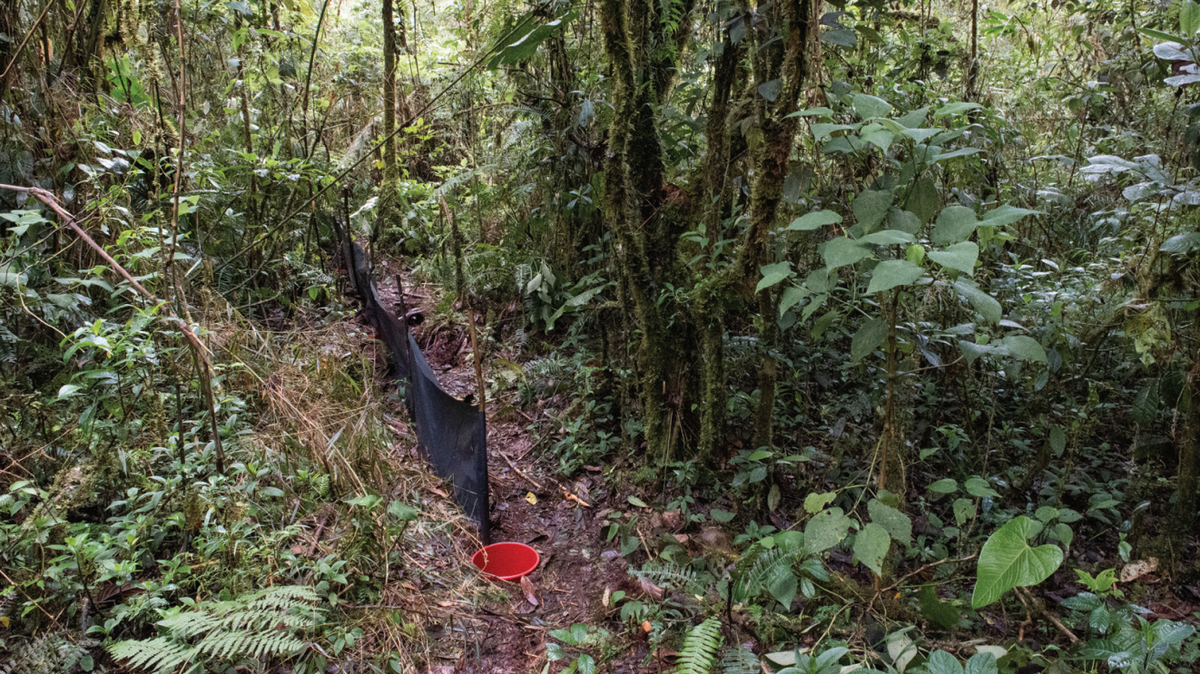
In the Andes Mountains of northern Peru, a long-tailed mammal with a “facial mask” moved through the undergrowth. Suddenly, the ground dropped out underneath its hairy paws, and it fell into a slippery-sided hole.
Scientists checked their trap — and discovered a new species waiting inside.
A team of researchers visited Abiseo River National Park in 2018 and set up a pitfall trap near an archaeology site. The group suspected the “long-neglected region” had more diverse wildlife than currently known, according to a study published June 19 in the peer-reviewed journal American Museum Novitates.
When the team checked one of its traps, it found an unfamiliar-looking small mammal, the study said.
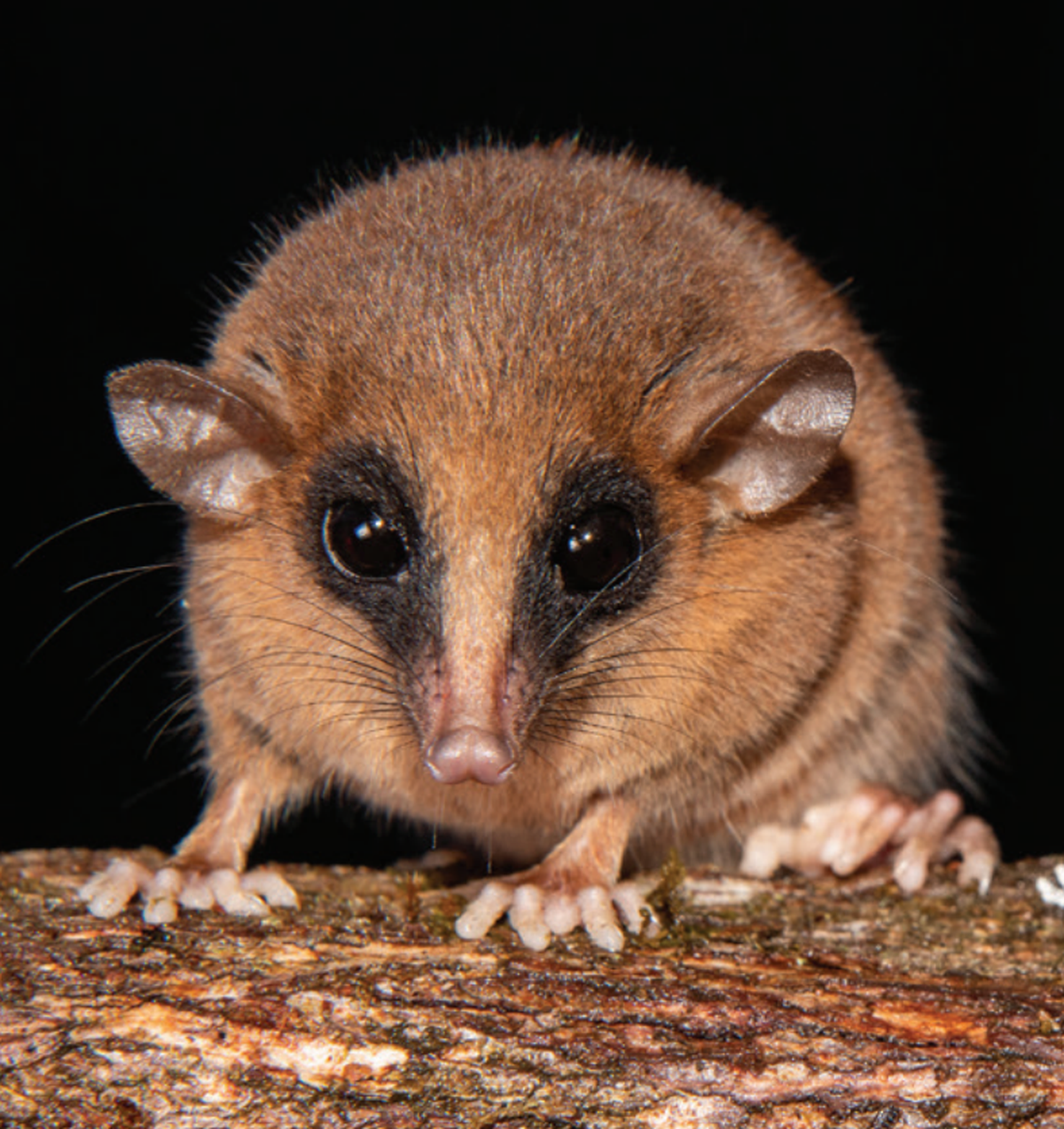
Researchers immediately recognized the animal as a mouse opossum, a group of marsupials native to the Americas, but “were impressed by its slender and long (snout)!” study co-author Pamela Sánchez-Vendizú told McClatchy News via email.
Intrigued, the scientists took a closer look at the opossum, analyzed its DNA and realized they’d discovered a new species: Marmosa chachapoya, or the Chachapoyas mouse opossum.
The Chachapoyas mouse opossum can reach over 10 inches in length, the study said. Its head has a “remarkably narrow and long” snout and a “blackish facial mask.” Its hands and feet are “densely covered by pale-yellow hairs,” and its tail is “much longer” than its body.
Photos show the “reddish brown” coloring of the new species.
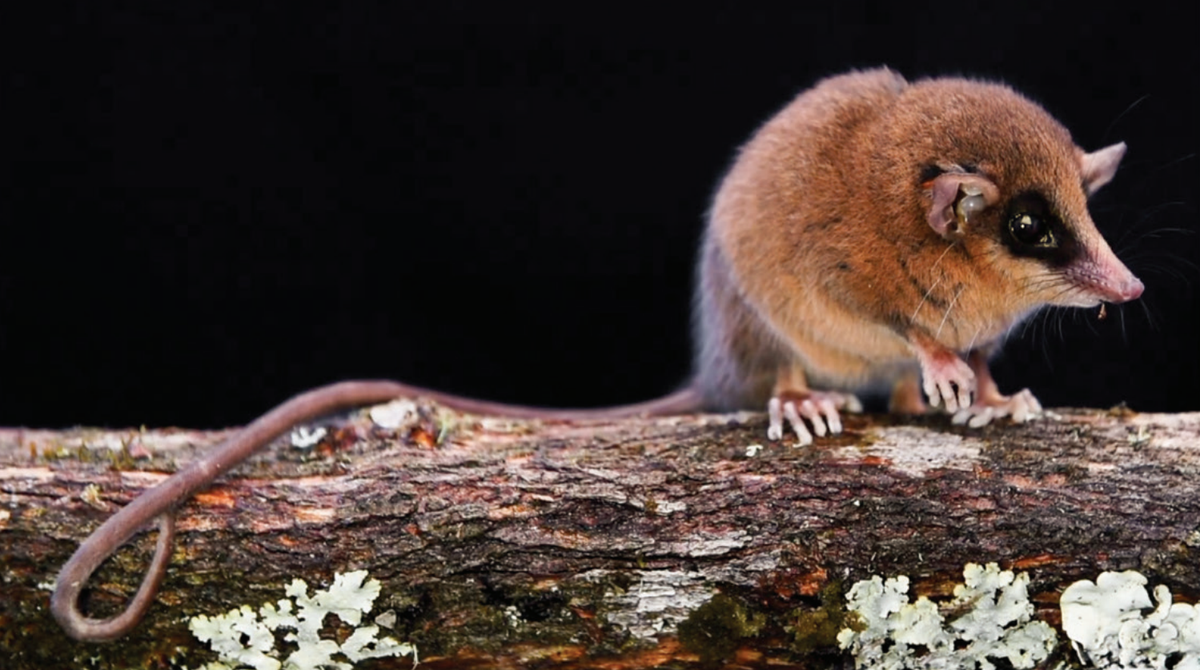
Generally, mouse opossums “are primarily insectivorous, but they also eat small fruits and small vertebrates (such as) frogs, mice (and) baby birds,” study co-author Robert Voss told McClatchy News via email. “They primarily climb in trees, aided by their prehensile feet and tail. They are exclusively nocturnal.”
“The new species was captured at a much higher altitude than most other species” of mouse opossum, Voss said. Still, much about its lifestyle and behavior remains unknown.
The Chachapoyas mouse opossum “seems to be a rare species,” Sánchez-Vendizú said.
So far, only one specimen of the new species has been found at the Abiseo River National Park in the Andes Mountains of northern Peru, a roughly 580-mile drive northeast from Lima.
Researchers said they named the new species Chachapoyas after the indigenous and pre-Incan culture “that formerly occupied the cloud forests of northern Peru.”
“The Andes remain very poorly explored for small, secretive animal species,” Voss said.
“The discovery of our new species underscores the need for continued biological exploration in this region,” Sánchez-Vendizú said.
The new species was identified by its snout and skull shape, claws, tail, teeth and other subtle physical features, the study said. DNA analysis found the new species had “almost 8%” genetic divergence from related species.
The research team included Silvia Pavan, Edson Abreu, Sánchez-Vendizú and Voss.
This story was originally published June 25, 2025 at 10:50 AM with the headline "Long-tailed mammal with ‘facial mask’ caught in trap in Peru. It’s a new species."