
‘Exceptionally rare’ fossil reveals 200-million-year-old new species in Greenland
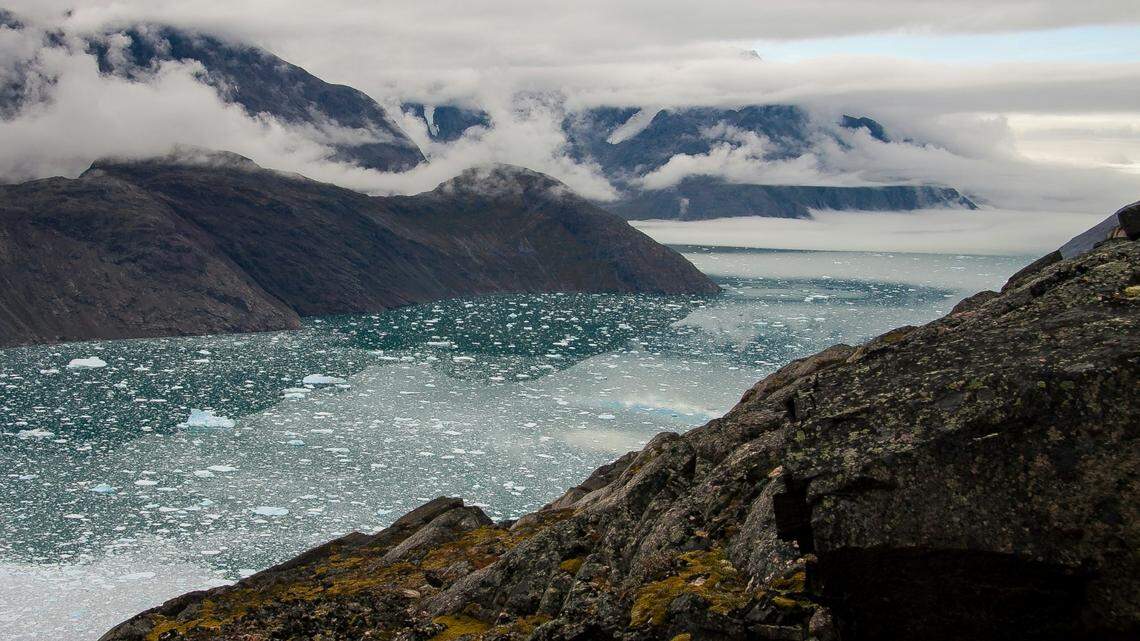
Hundreds of millions of years ago, a lake lined with coarse sediment was battered by heavy waves and storms.
The water here was completely devoid of oxygen, but the land around the lake held prehistoric life.
Now, the geological area, called the Kap Stewart group, is located in east-central Greenland, and it’s home to a newly discovered species.
Paleontologists studying the site reached an exposed mountain ridge and found “sandstone sediment from a burrow infill,” according to a study published June 13 in the peer-reviewed journal Papers in Palaentology.
Inside the stone was a small piece, just a quarter of an inch long, of the right jaw of a mammal relative, according to the study.
It was a “tiny fragment of jaw with a single tooth,” researchers said in a news release shared with McClatchy News by study author Sofia Patrocínio.
“The piece of jaw is so small and fragile, it’s amazing how much information we can get from something so tiny,” Patrocínio said in the release.
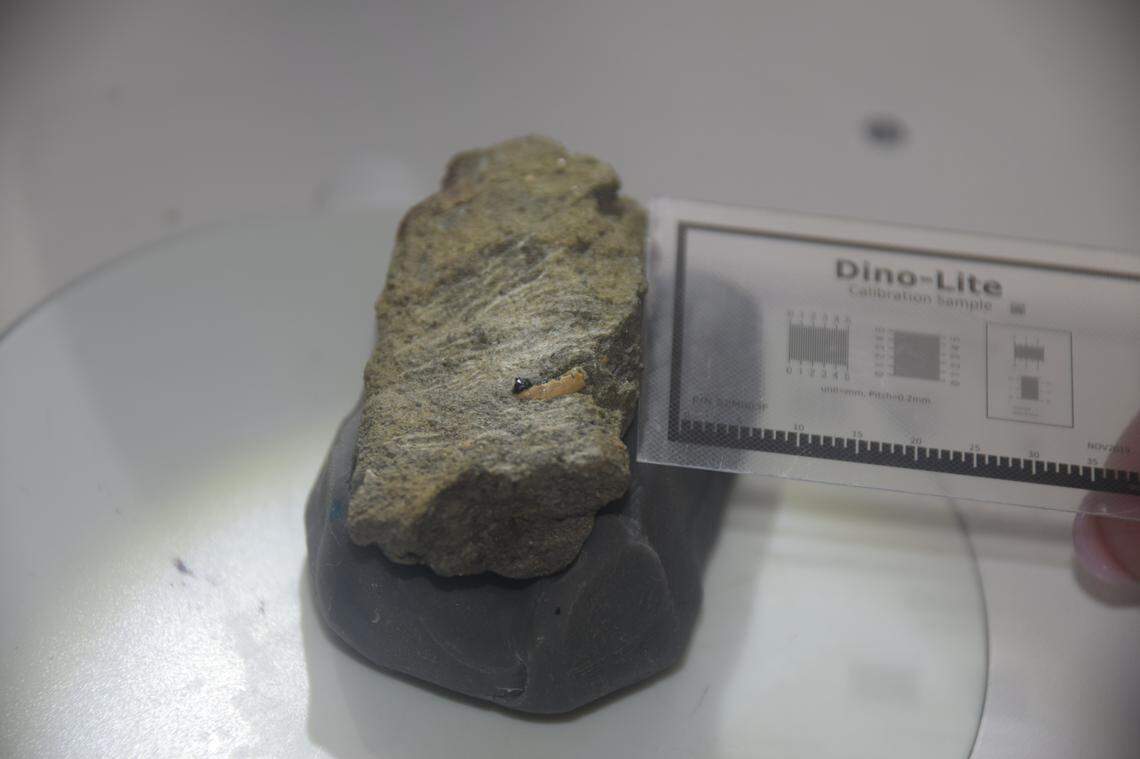
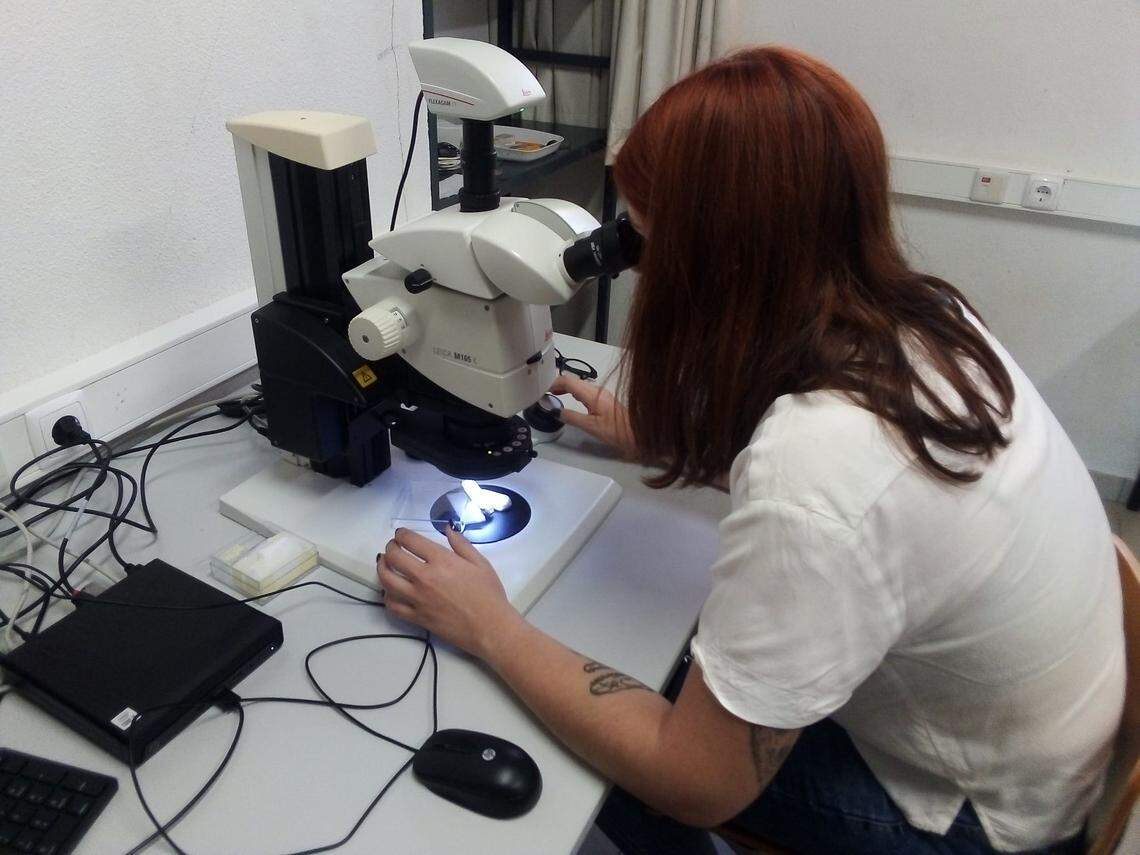
Patrocínio studied the fossil as part of her work on her master’s degree research with the Museu da Lourinhã, she told McClatchy News in an email, and she noticed the tooth didn’t look like anything seen before.
“We used micro-CT scanning and digital reconstruction to analyze the teeth, which have a unique arrangement of cusps — the inspiration for the species name,” Patrocínio said.
The new species was named Nujalikodon cassiopeiae, the genus named after Nujalik, the “goddess of hunting on land in Inuit mythology,” and the species named after the constellation Cassiopeia, an “arrangement of stars” that resemble the cusp pattern of the tooth, according to the study.
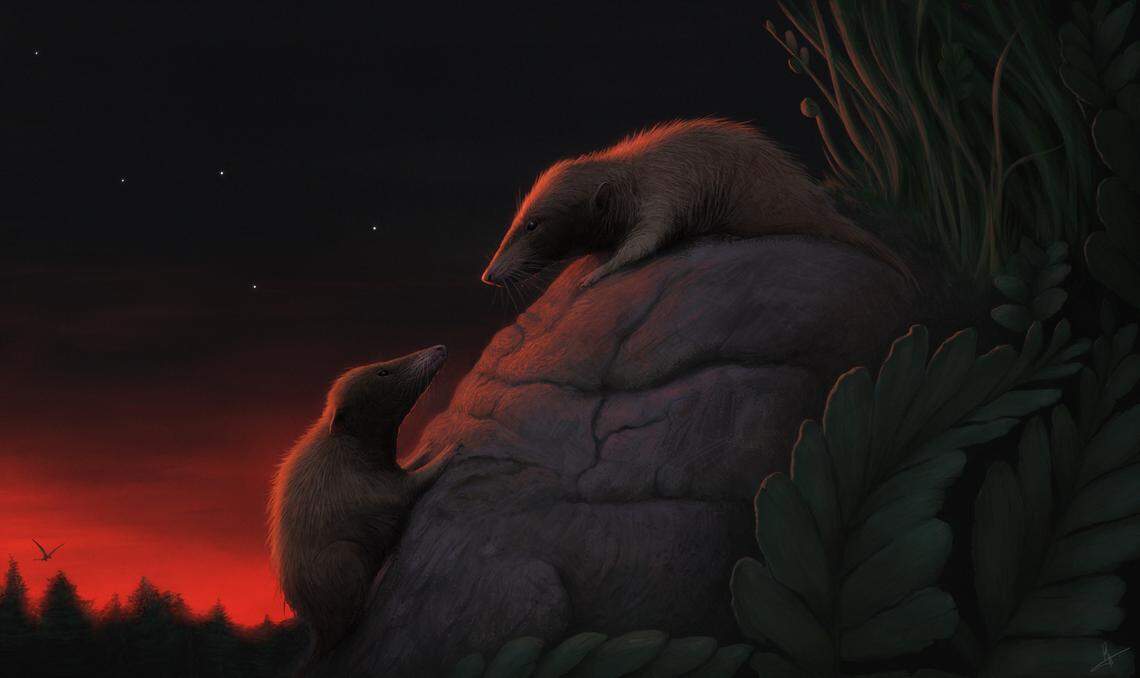
The prehistoric mammal-like creature was about the size of a modern mouse and fed on insects at the beginning of the Jurassic period 200 million years ago, according to Patrocínio and the news release.
“Its highly detailed teeth show signs of early complexity that likely helped mammal relatives diversify later in the Jurassic,” Patrocínio said.
The mammal-relative is the first-of-its-kind to be found in the Kap Stewart Group, and may be the oldest example of a group of mammal-like animals called docodontans, according to Patrocínio.
The discovery of the fossil in Greenland confirms previous ideas that docodontans originated in northern Europe during the Late Triassic period and then dispersed across Pangea in later eras, according to the release.
The Earth’s climate was warm at the beginning of the Jurassic and without polar ice, meaning animals from mammals to amphibians to dinosaurs were able to more easily move across the Pangea supercontinent, researchers said.
“We know so little about mammals from this time period, their fossils are exceptionally rare,” study co-author Elsa Panciroli said in the release. “This exciting discovery not only enriches our understanding of mammal evolution, but highlights how important Greenland is in the picture of their development, and how they spread across the landscape.”
The research team includes Patrocínio, Panciroli, Filippo Maria Rotatori, Octavio Mateus, Jesper Milàn, Lars B. Clemmensen and Vicente D. Crespo.
This story was originally published June 17, 2025 at 5:03 PM with the headline "‘Exceptionally rare’ fossil reveals 200-million-year-old new species in Greenland."
