Video of ‘one of Australia’s most mysterious animals’ shows ‘world-first’ action
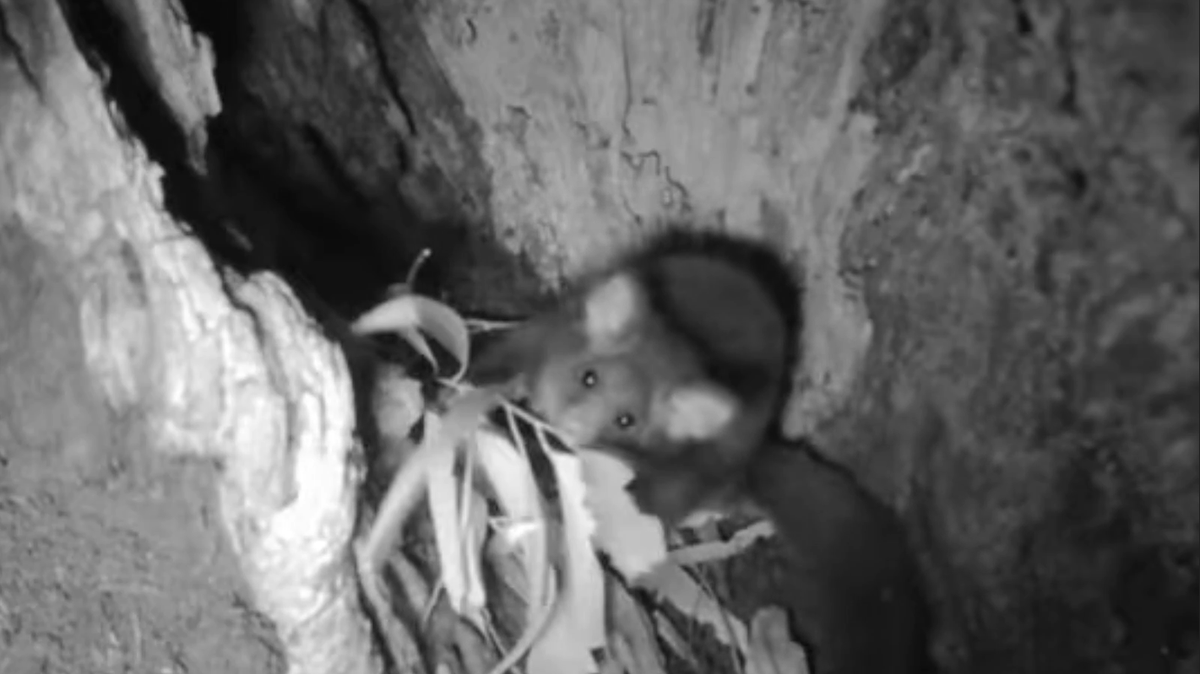
In a hollowed-out tree of southern Australia live a family of fluffy, gliding marsupials. Unbeknownst to them, the family stars in a sort of wildlife reality TV show — thanks to a camera in their home and a first-of-its-kind livestream.
Recently, to the surprise and excitement of conservationists, that camera recorded a “world-first” behavior.
Biologist Ana Gracanin spent months setting up the tree-hollow camera and other necessary equipment in Tallaganda, New South Wales, before launching a 24/7 livestream in October 2024 to observe “one of Australia’s most mysterious animals:” the greater glider, according to the World Wide Fund for Nature (WWF) in Australia.
Greater gliders are endangered marsupials that live in tree hollows of Australia’s eucalyptus forests. Their fluffy bodies can reach up to 18 inches long and their long tails can reach up to 2 feet. As their name suggests, they glide from tree to tree and can cover almost 330 feet in a single glide.
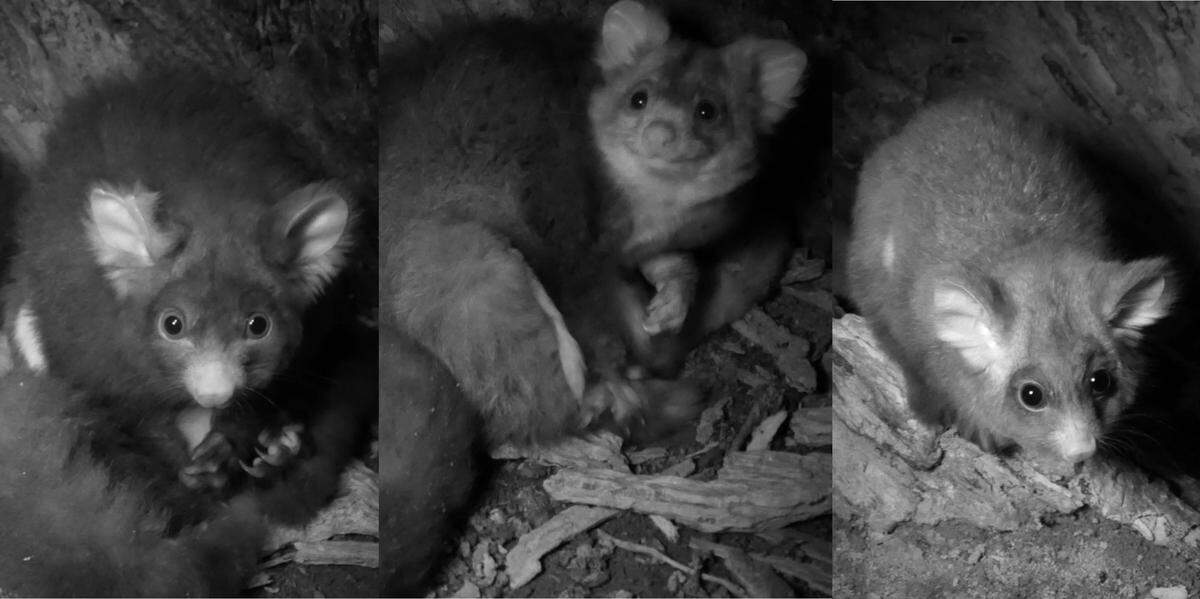
Gracanin’s livestream shows a family of greater gliders: the mom, Pip, the dad, Milo, and their joey, Brimi.
Since its launch, the livestream has recorded Brimi emerging from its mom’s pouch and followed the joey’s growth. Among the hours of footage, one particular moment stood out, WWF-Australia said in a news release shared with McClatchy News.
“The camera captured Milo using his tail to grasp eucalyptus stems and carry them into the hollow for Brimi and then Brimi eating the leaves,” Gracanin said in the release. “This unique behaviour had never been observed before, it’s also some of the first evidence for paternal care in the species.”
“Greater gliders are often described as not having a prehensile tail — meaning their tail does not grip,” WWF-Australia said in the release. “But the livestream challenges that thinking.”
The organization shared the video in a June 17 Facebook post. The roughly 20-second clip shows the greater glider dad move past the camera, his tail grasping some leaves. He moves toward the joey and puts the leaves within its reach.
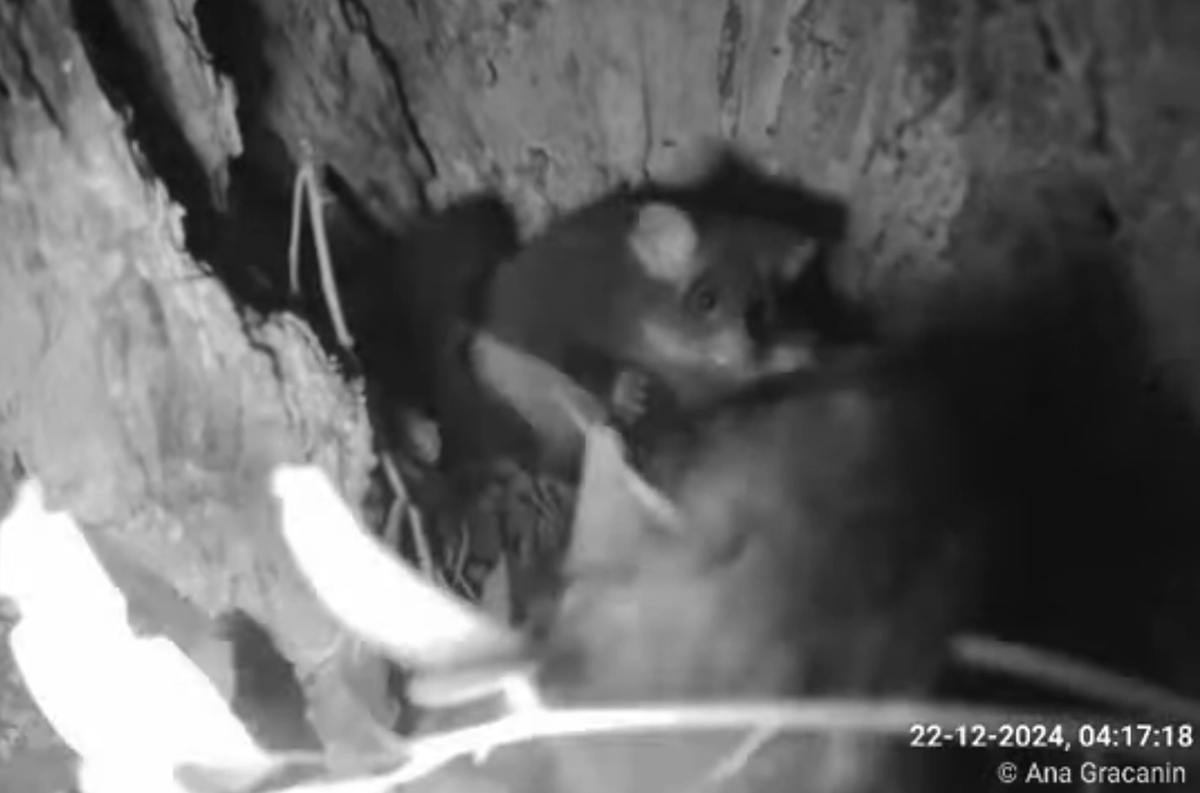
“This is a world-first behaviour,” the organization said in the post.
Conservationists hope the greater glider livestream will continue revealing new information about these at-risk animals and encourage their protection.
“The livestream is about more than watching cute animals,” Gracanin said in the release. “It’s a window into the importance of tree hollows and old-growth forests. Every night we get to witness something that would otherwise go unseen. That’s an incredible privilege.”
Tallaganda is about a 190-mile drive southwest from Sydney.
This story was originally published June 18, 2025 at 9:59 AM with the headline "Video of ‘one of Australia’s most mysterious animals’ shows ‘world-first’ action."