Rangers open trap in Australia — and find ‘unexpected’ creature inside. See it
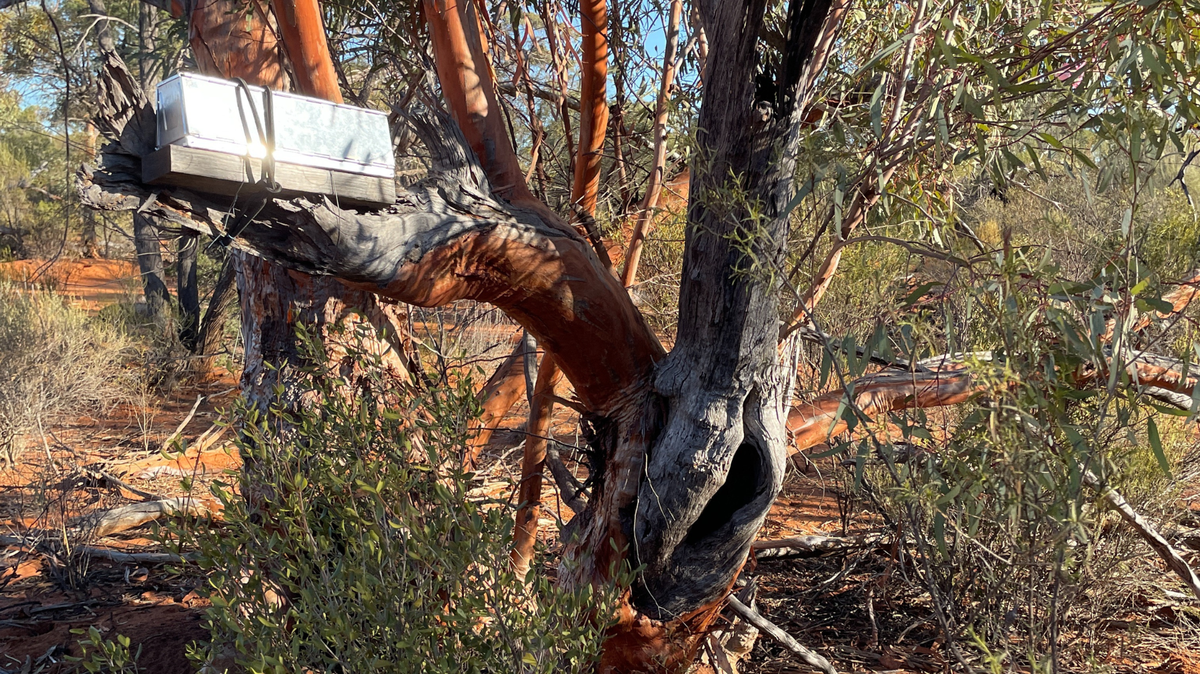
In a remote region of western Australia, a team of wildlife rangers set up traps in trees. They hoped to catch an at-risk species of marsupial — but ended up catching something “unexpected” and revealing some new animal behavior.
Ecologists at the Mount Gibson Sanctuary installed several non-fatal box traps on low tree branches to catch a native marsupial species known as the red-tailed phascogales. The trapping project was part of the sanctuary’s routine wildlife surveys conducted several times between 2021 and 2025, according to a study published March 28 in the peer-reviewed Journal of the Royal Society of Western Australia.
“The traps were set out for monitoring red-tailed phascogales, and instead we caught an unusually high number of hopping mice,” Amanda Bourne, an ecologist and study co-author, said in the Australian Wildlife Conservancy’s June 10 news release.
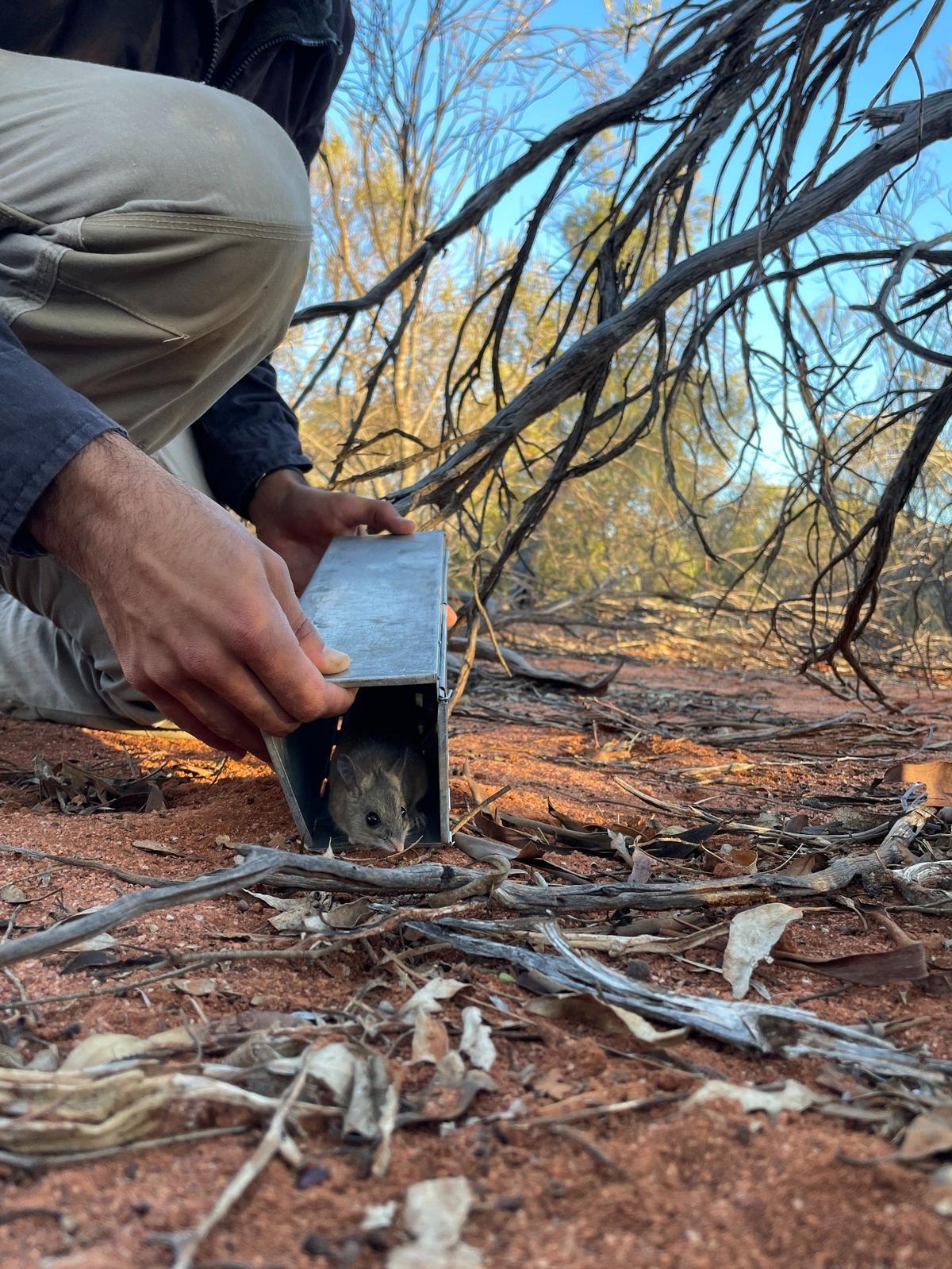
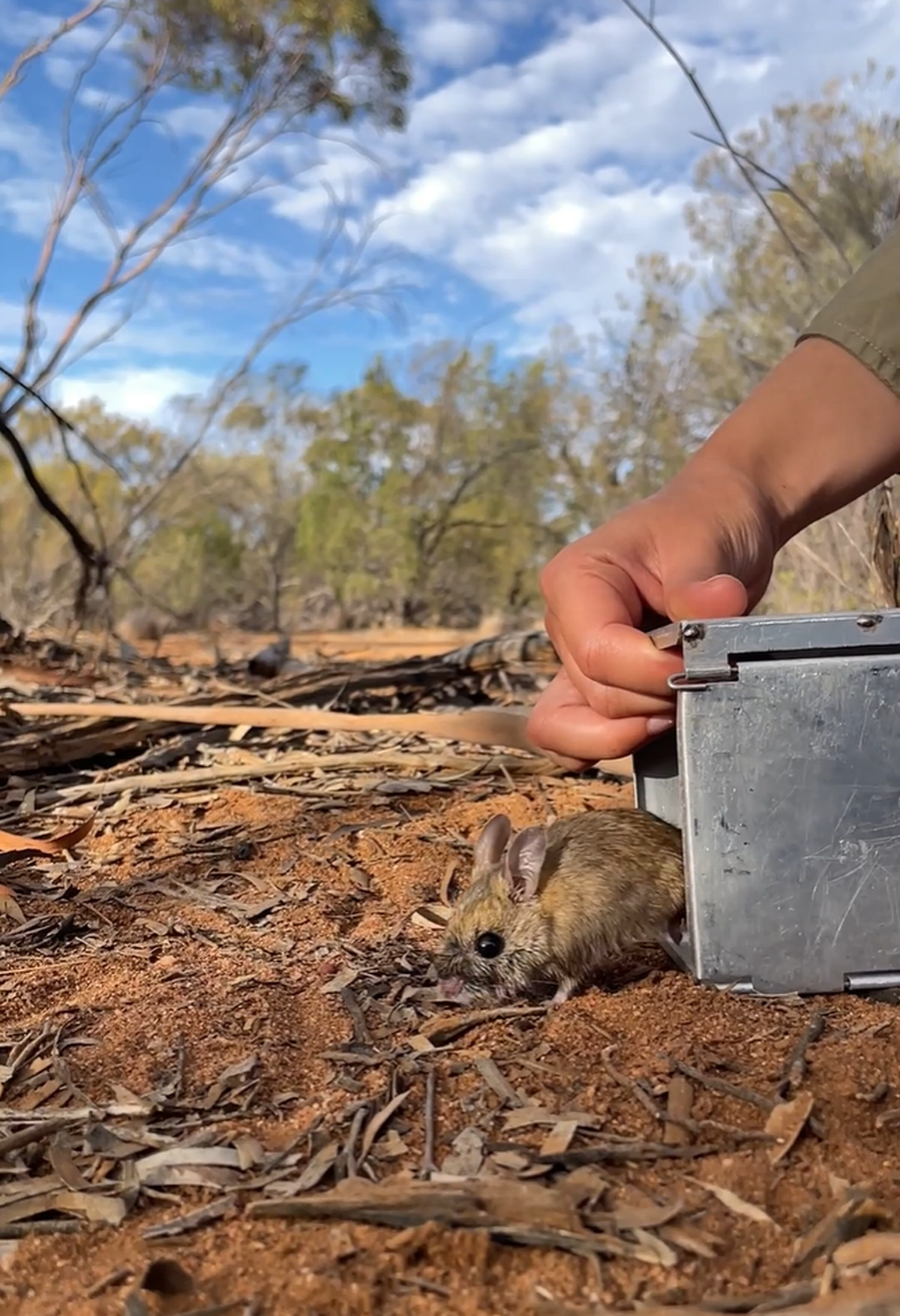
Hopping mice are a group of “nocturnal, omnivorous rodents” native to Australia “that construct elaborate burrows,” the study said.
These mice species are “known for foraging on the ground and sheltering in underground burrows, so when we found the first individual in a tree-mounted trap, we passed it off as a solo climber that had accidentally ventured a little too high,” Bourne said in the release.
“After we encountered the second individual, and then the third, we knew this wasn’t a fluke,” she said. “We were recording evidence of a previously unknown behaviour.”
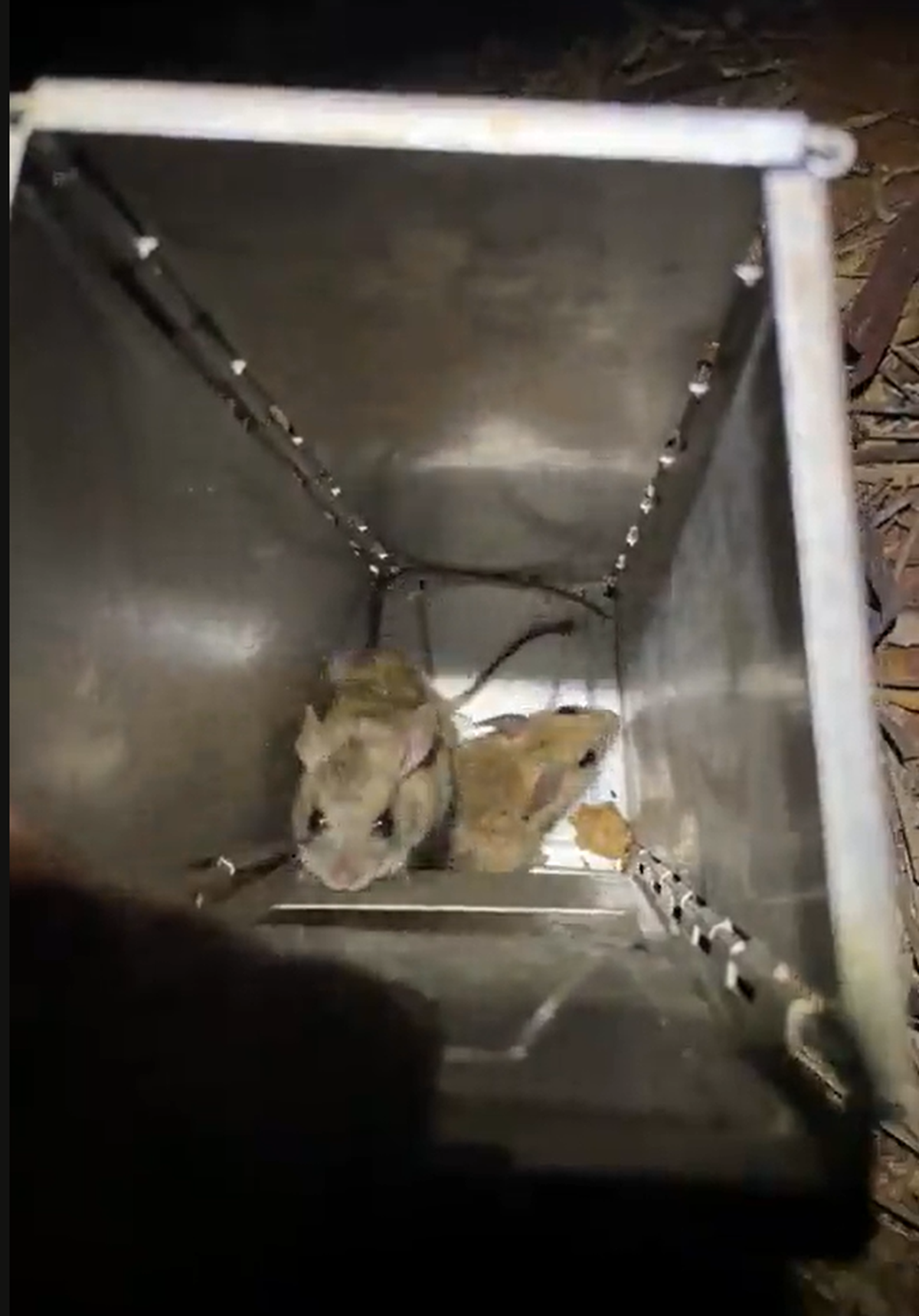
Ecologists caught one hopping mouse in the tree-based traps in 2021, but in 2024 they caught 43 mice, including “three instances where two mice were found in the same trap,” the study said. In early 2025, the team caught five more mice in the tree traps.
Photos show the hopping mice in the trap and while being released.
But why were these ground-dwelling mice climbing the trees? What caused this first-of-its-kind behavior?
Based on the timing of the captures, researchers concluded “that hungry hopping mice were likely highly motivated to access bait balls in tree-mounted traps in 2024 and 2025 due to severe resource limitation during the historic 2023-24 drought and heat waves in early 2025.”
“Although accidental, we were given unique insight into the species’ range of foraging behaviours and provided evidence that they can, and do, climb trees to search for food,” Bourne said in the release.
Ecologists hope to learn more about this “unexpected” behavior, whether the mice climb trees when there aren’t baited traps and if tree-climbing is a “response to extreme weather and/or climate change.”
The research team included Bourne, Georgina Anderson, Salvino Mamo, Aliesha Dodson and Louis O’Neill.
This story was originally published June 12, 2025 at 8:51 AM with the headline "Rangers open trap in Australia — and find ‘unexpected’ creature inside. See it."