Night hike led to first-of-its-kind sighting of venomous baby creature in Mexico
As darkness settled across a mountain in central Mexico, a venomous baby creature settled down to sleep, but its night wouldn’t be restful. A passing hiker noticed the “poorly known” animal and roused it for a photograph.
It turned out to be a first-of-its-kind sighting.
Álvaro Monter-Pozos, a biologist and nature photographer, ventured up Mount Tláloc on the outskirts of Mexico City on a night hike in June 2023, according to a study published April 9 in the peer-reviewed journal Check List.
While passing through a section of fragmented forest and agricultural fields, Monter-Pozos noticed a juvenile rattlesnake, the study said. He caught it, took several photographs and then released it.
Researchers later identified the baby snake as a Mexican small-headed rattlesnake and Monter-Pozos’s photos as the first sighting of the species in the State of Mexico.
Mexican small-headed rattlesnakes, scientifically known as Crotalus intermedius, are a “poorly known” species of venomous snake native to Mexico, researchers said. They are most active during the day, typically found on the ground but occasionally known to climb trees “while hunting for its prey, which primarily consists of lizards and occasionally on rodents.”
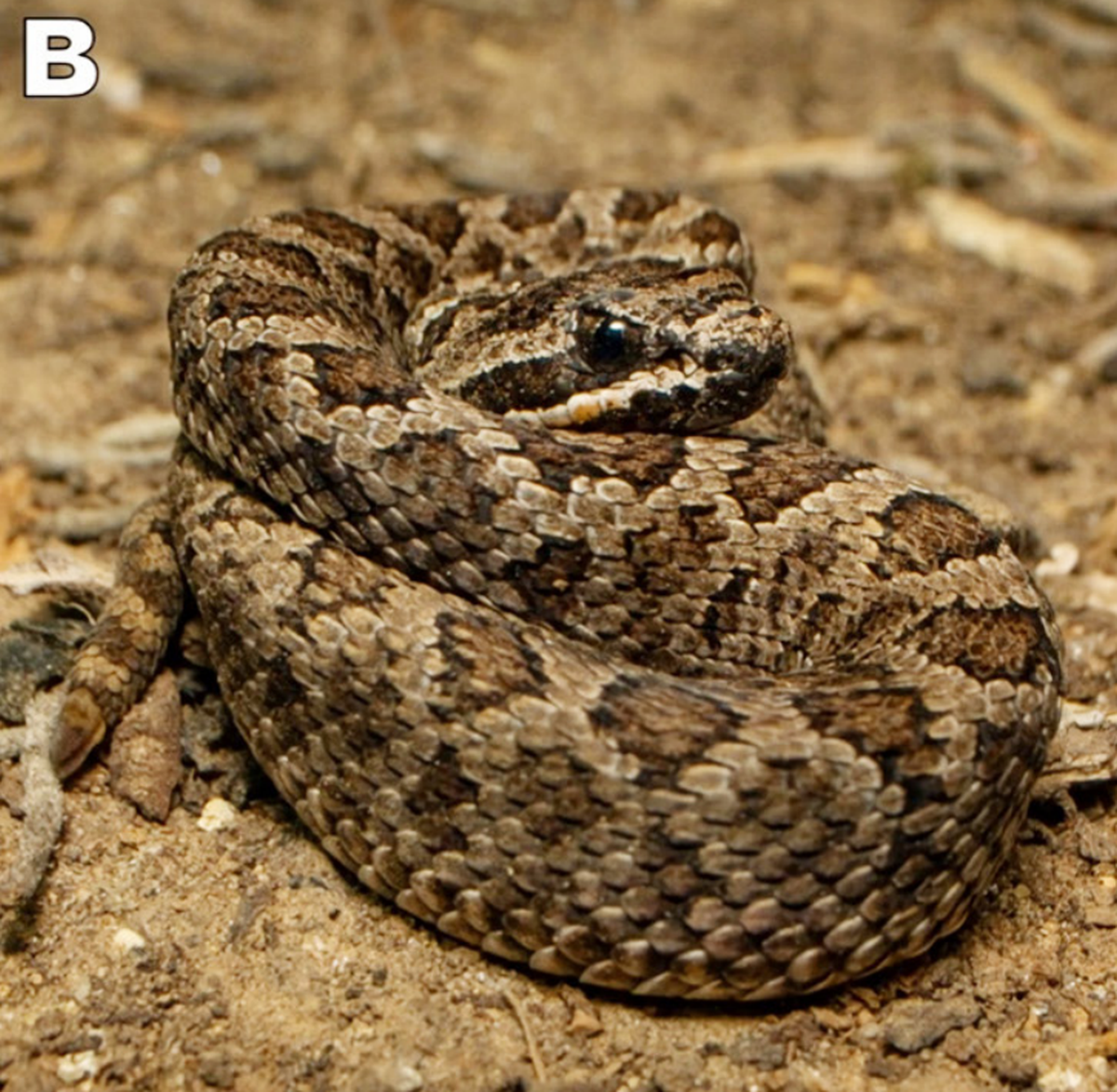
Monter-Pozos shared photos of the rattlesnake in a June 2023 Instagram post. Overall, its brown coloring helps it blend in with its surroundings.
Researchers analyzed the distribution of Mexican small-headed rattlesnakes and concluded “our record in the State of Mexico represents a peripheral population” at “the easternmost limit of its distribution … These populations are important because they may possess unique (physical) and genetic characteristics relevant to conservation, as well as (the) potential for” becoming a new species.
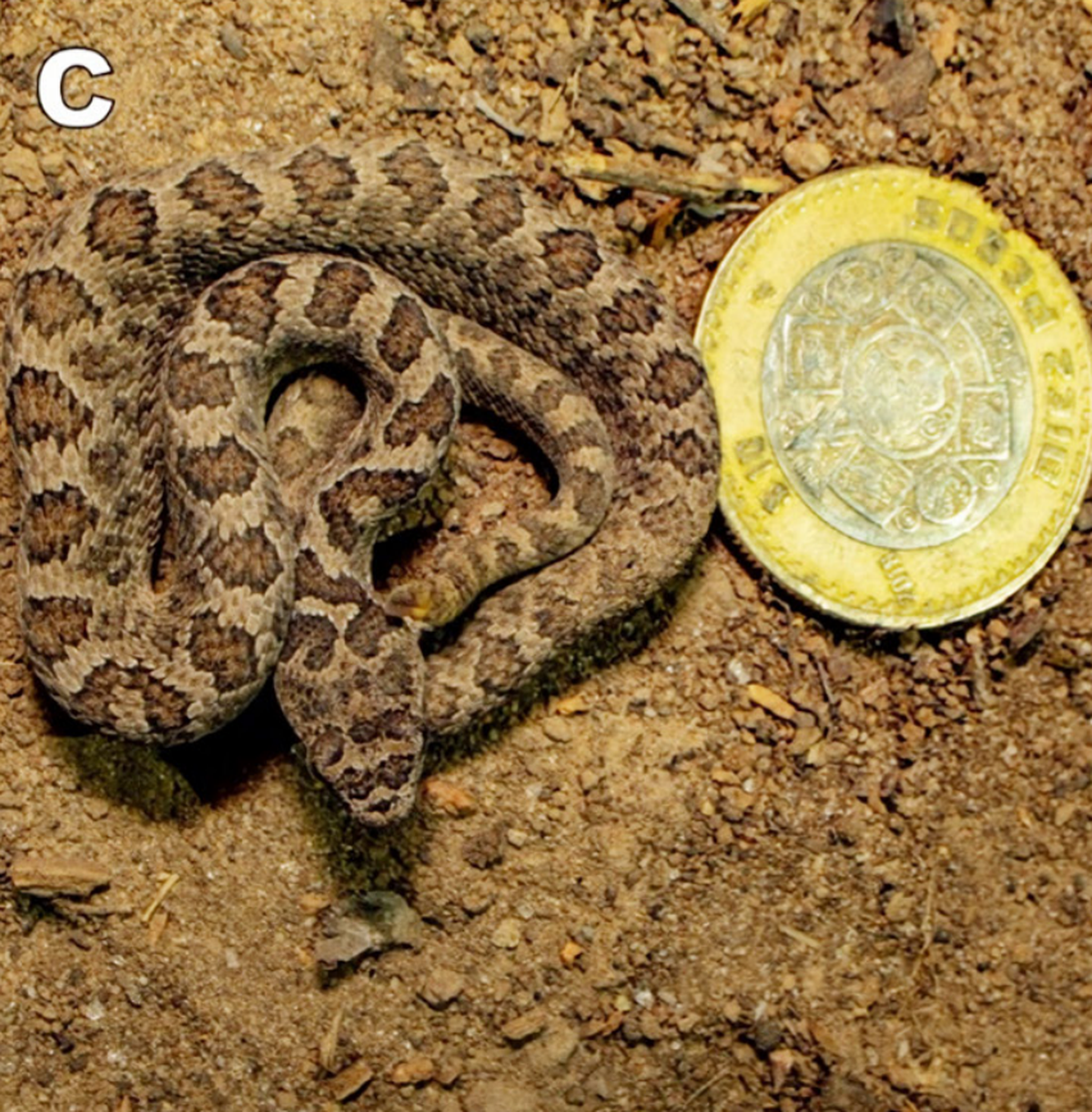
The Mexican small-headed rattlesnake was seen within a “natural protected area” of Mount Tláloc, but the mountain “faces significant environmental threats, including visitor overload, waste pollution, erosion, and increased fire risk,” the study said.
A video shared on YouTube in 2019 by Ta- Paxkí shows the hike up Mount Tláloc at night. The mountain is about 45 miles east of Mexico City.
Researchers said their findings highlight “the urgent need for collaboration with the government of the State of Mexico on a conservation project focused on” Mexican small-headed rattlesnakes.
The research team included Monter-Pozos, Erika Adriana Reyes-Velázquez, Oswaldo Hernández-Gallegos and Aldo Gómez-Benitez.
This story was originally published April 11, 2025 at 10:00 AM with the headline "Night hike led to first-of-its-kind sighting of venomous baby creature in Mexico."