4,000-year-old musical instrument unearthed in Oman. See the ‘rare’ finds
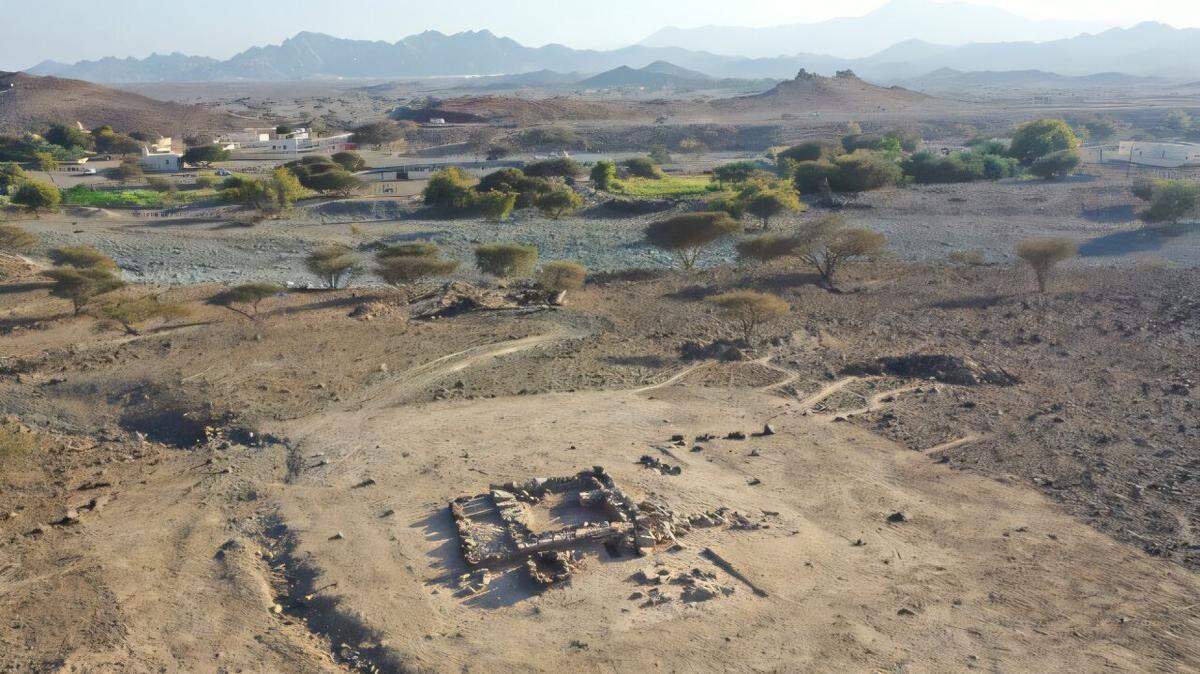
While sifting through the ruins of an ancient building in Oman, archaeologists unearthed a pair of green-blue discs. The finds turned out to be a 4,000-year-old musical instrument — offering a “rare window” into the past.
Archaeologists began excavating Dahwa, a Bronze Age settlement, in 2014 “as part of a long-term project” to better understand the region’s history, according to a study published April 8 in the peer-reviewed journal Antiquity.
For several years, the team’s excavations focused on a “small building” located above and away from the rest of the settlement, the study said. This one-room stone building was likely “used for ritual, even cultic, activity” around 4,000 to 4,100 years ago.
In one corner of the structure, archaeologists unearthed two copper cymbals, “one carefully placed on top of the other.” Almost immediately, they realized they’d uncovered something “relatively rare.”
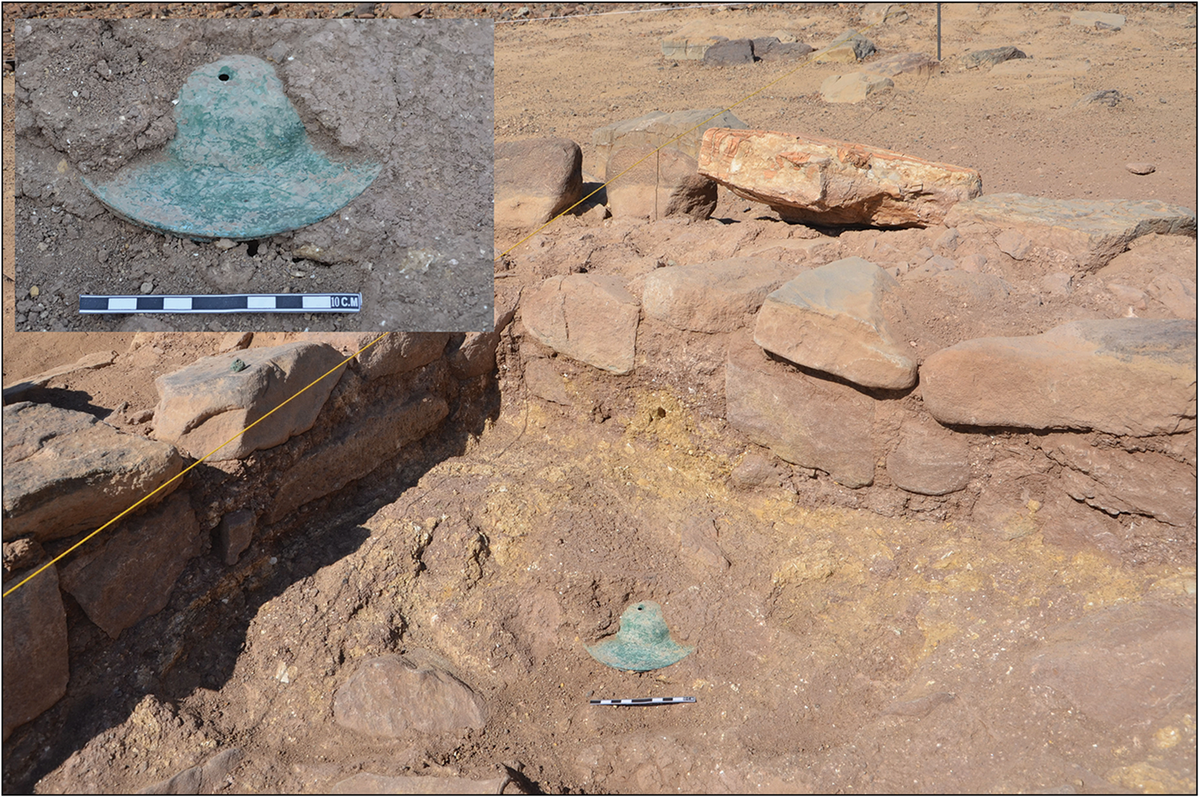
Photos show the small half-buried cymbals, which had no signs of use and were likely buried as an offering, or “votive deposit.” The thin discs measured just over 5 inches in diameter with a hole in the middle.
“These copper alloy cymbals are the first of their kind to have been found in good archaeological contexts in Oman and are from a particularly early context that questions some of the assumptions on their origin and development,” the study’s lead author, Khaled Douglas, said in an April 8 news release from Antiquity journal, shared via Phys.org.
So where did these cymbals come from? Who made them and what were they used for?
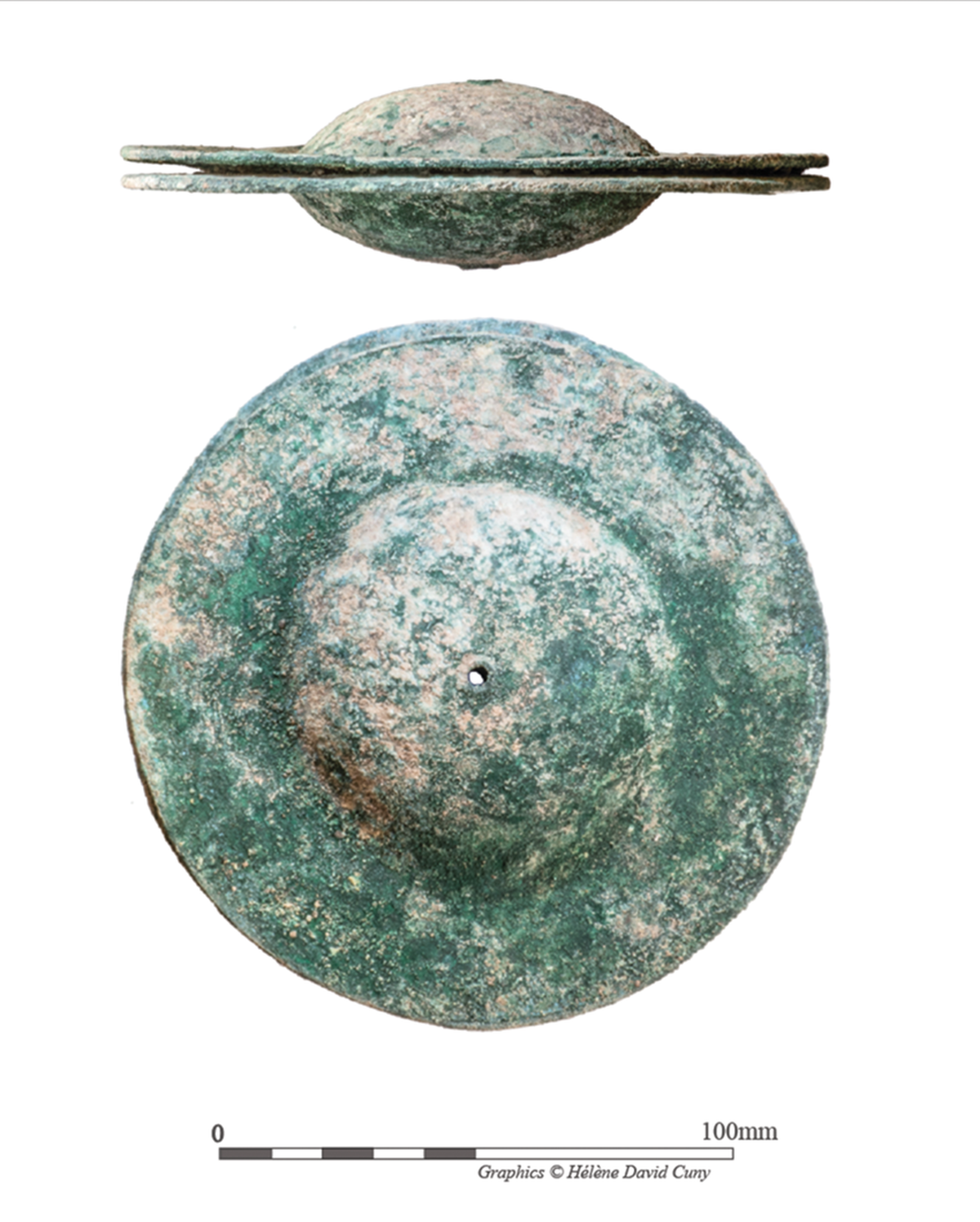
Through chemical analysis, researchers confirmed the cymbals came from the Bronze Age and determined the copper used to make them had come from a mine in Oman roughly 100 miles away from Dahwa.
Researchers also realized the design of the Dahwa cymbals closely matched other Bronze Age artifacts from the Indus Valley Civilization in modern-day Pakistan and India. Ancient Mesopotamian writings and carvings from around the same period also showed cymbal usage.
The Dahwa cymbals “fit within a larger, regional distribution of similar percussive instruments around the Arabian Gulf that arose in the late third millennium B.C. (around 2000 B.C.),” the study said. “The discovery of the Dahwa cymbals encourages the view that already during the late third millennium B.C., music, chanting and communal dancing set the tone for mediating contact between various communities.”
“Pending further studies, it is hypothesised that the Dahwa cymbals represent a similar connection between cult, music and dancing,” researchers wrote.
Ancient Dahwa is located near a modern-day town with the same name in northern Oman, a country on the southeastern coast of the Arabian Peninsula.
The research team included Khaled Douglas, Nasser Al-Jahwari, Michel de Vreeze, Mohammed Hesein, Lloyd Weeks and Bernhard Pracejus.
This story was originally published April 8, 2025 at 1:37 PM with the headline "4,000-year-old musical instrument unearthed in Oman. See the ‘rare’ finds."