2,000-year-old Roman ring, dagger found buried under ruins in Germany. See them
In northwest Germany, near the site of the 1,600-year-old Roman military camp Anreppen, archaeologists discovered evidence of an ancient agricultural settlement.
Three farmsteads unearthed at the settlement in present-day Delbrück-Bentfeld date back to the first centuries AD during the Romans’ push into Germania, according to an April 1 news release from the Regional Association of Westphalia-Lippe.
One of the farmsteads had a primary residence and two outbuildings that were likely used for textile production, experts said.
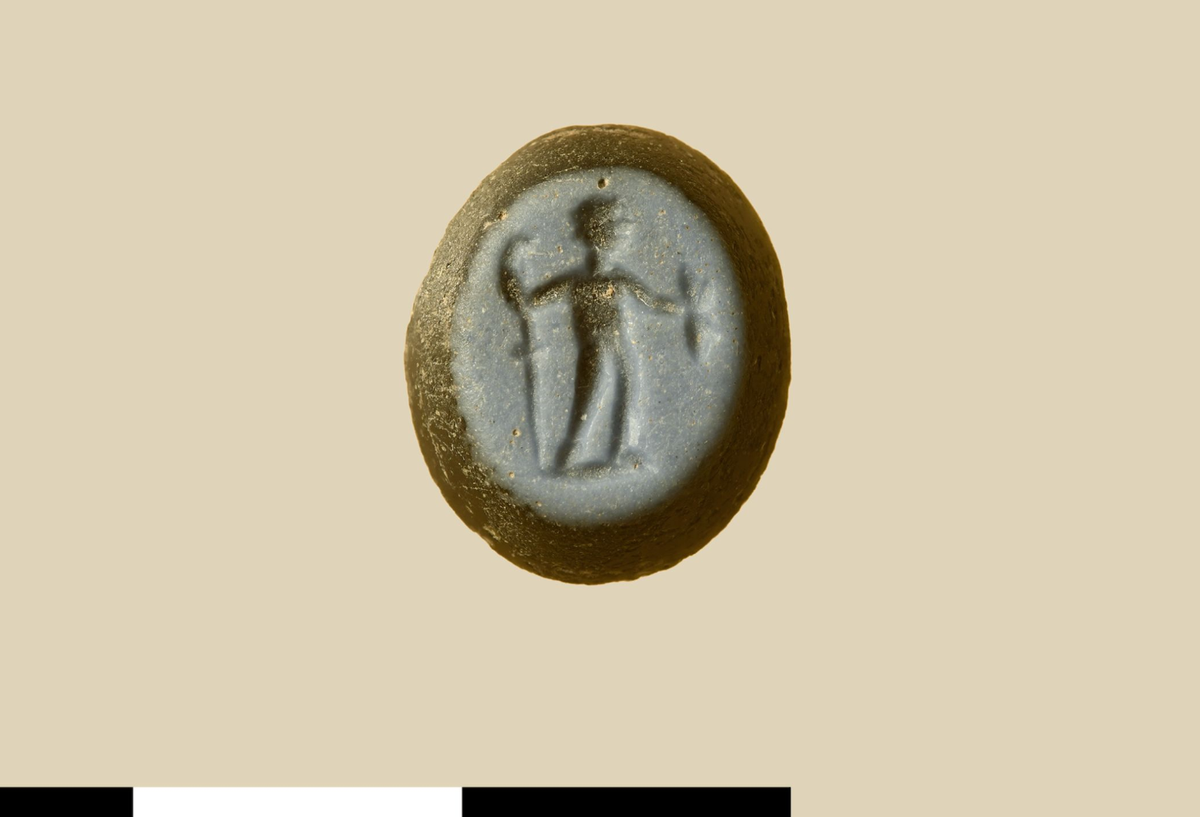
Archaeologists found a gemstone engraved with the image of the Roman god Mercury, which they believe was part of a 2,000-year-old ring.
As the god of trade and transport, Mercury is depicted holding a purse in one hand, and a staff in the other, experts said in the release.
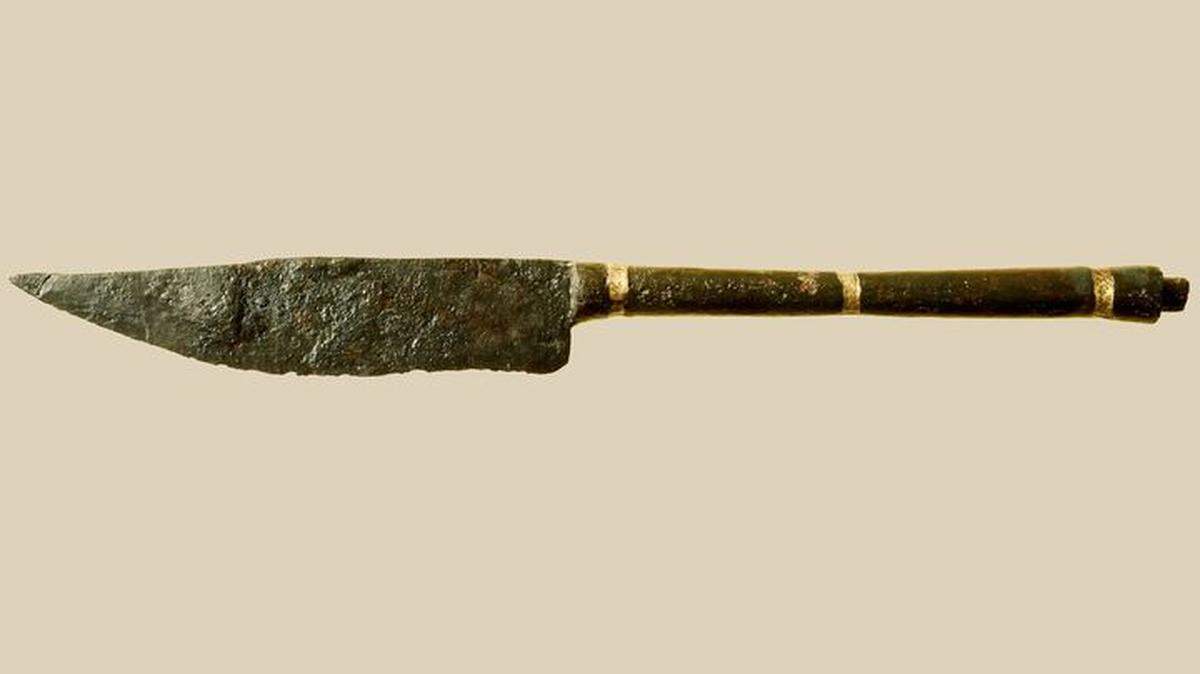
Archaeologists found an iron knife with brass stripes dating back to the Roman Empire buried deep beneath the cellar floor of an outbuilding.
The knife was fully intact and buried with the blade sticking straight up. Researchers said since it was buried so deep, it likely wasn’t meant to inflict injury.
Archaeologists are questioning if it had a cultic purpose, buried as a building offering meant to ward off evil.
Coins, pottery fragments, non-ferrous metals and remnants of a kiln were previously discovered at the site, experts said.
Researchers said they believe residents of the settlement produced textiles and jewelry, according to the release.
Delbrück-Bentfeld is about a 105 mile-drive northeast from Düsseldorf.
Google Translate was used to translate the news release from the Regional Association of Westphalia-Lippe.
This story was originally published April 4, 2025 at 10:18 AM with the headline "2,000-year-old Roman ring, dagger found buried under ruins in Germany. See them."