
Hidden underground cults and iron from space: See the latest archaeological discoveries

The summaries below were drafted with the help of AI tools and edited by journalists in our News division. All linked stories were reported, written and edited by McClatchy journalists.
Throughout history, cultures have left behind a trail of breadcrumbs for archaeologists to follow. New sites and artifacts are found all the time, revealing forgotten secrets of the past.
Here are some of the latest discoveries:
Ancient bracelets — made with meteorites — found in Poland cemetery. Take a look
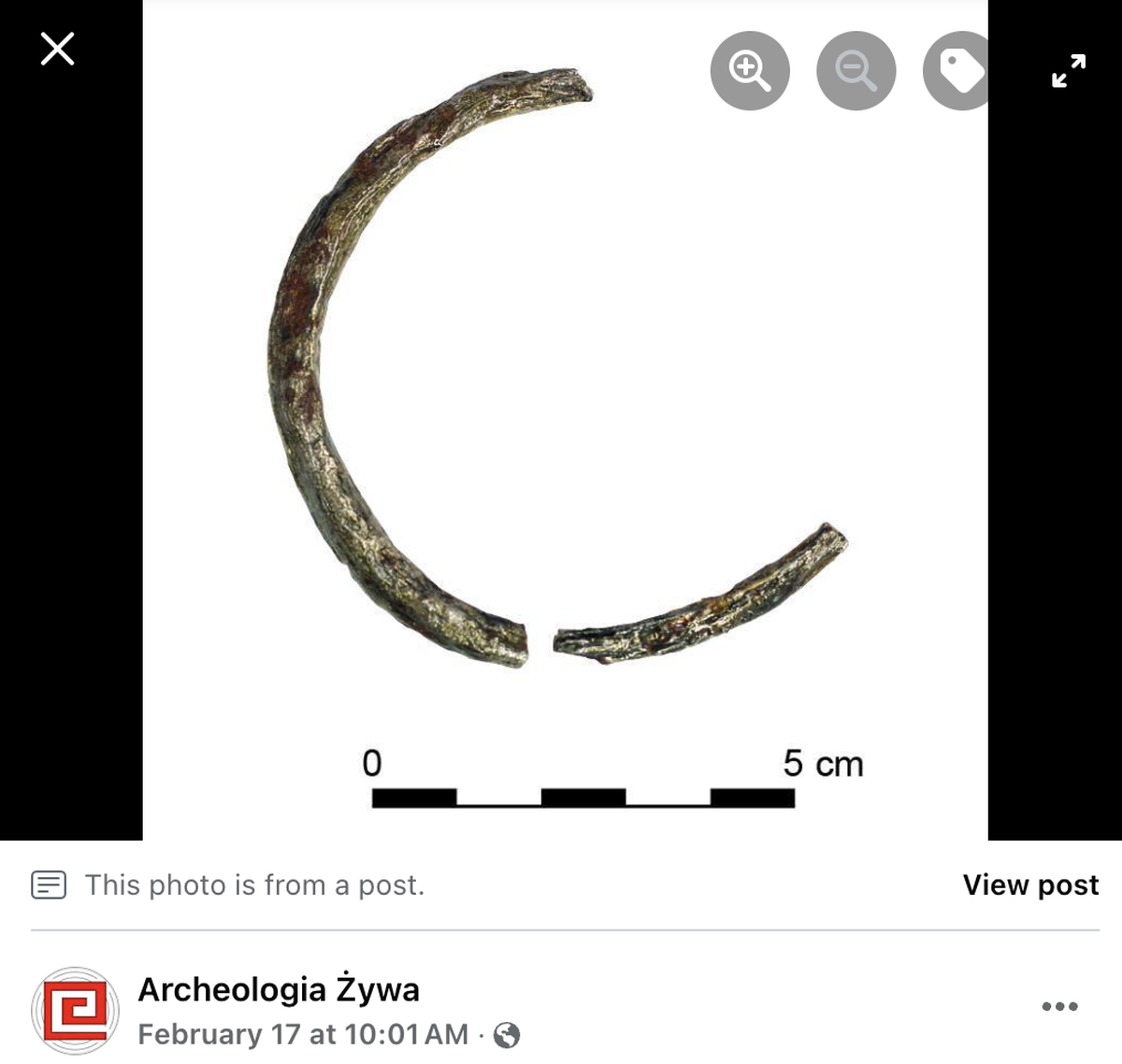
In southern Poland, researchers discovered iron bracelets, ankle rings and other items in a cemetery, some of which were made using meteoritic iron. This exceptional find, dating back to the late Bronze Age and early Iron Age, is only the second instance of mixed meteoritic and Earth-made iron found in Poland. The study highlights the significance of meteoritic iron in ancient cultures and its random distribution among burial items. | Published Feb. 20 | Read More |
Underground river hid traces of 2,000-year-old cult — until now. See finds in Italy
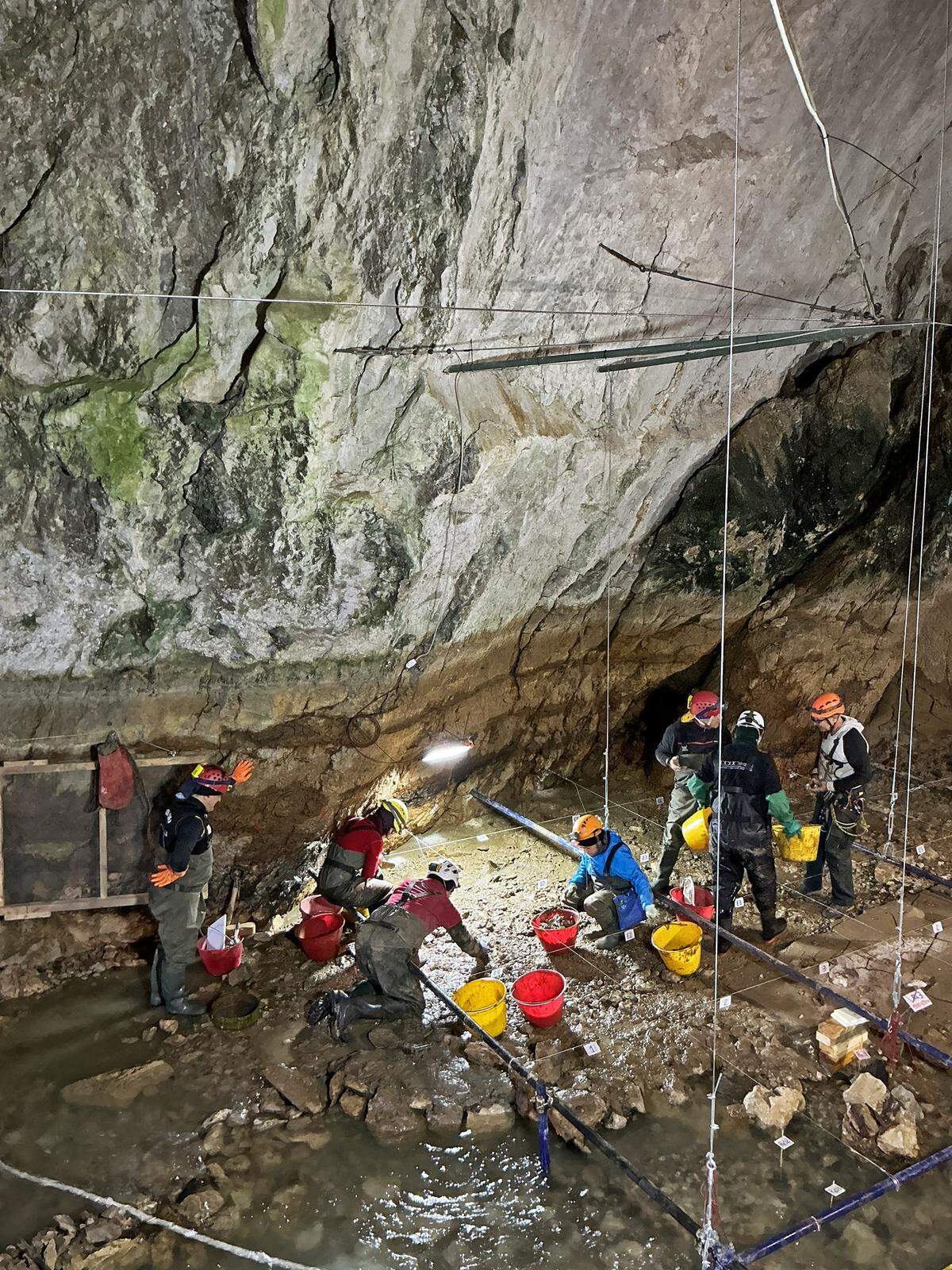
In the Pertosa-Auletta Caves of southern Italy, archaeologists uncovered traces of a Hellenistic cult site dating back 2,000 years. The discovery was made in a muddy riverbed, revealing artifacts such as a bowl-shaped incense burner linked to cult activities. The site also included sections of a Bronze Age village, providing insights into ancient rituals and daily life. | Published Feb. 24 | Read More |
2,500-year-old bronze necklace discovered by cattle farmer in Poland field. See it

A farmer in northeastern Poland stumbled upon a 2,500-year-old bronze necklace while working in a cattle field. The necklace, dating back to the Bronze Age, was identified as a rare find from the Lusatian or West Baltic Kurgan culture. This discovery adds to the region’s historical significance, where similar artifacts have been found but not in recent times. | Published Feb. 26 | Read More |
3,000-year-old ruins and artifacts found at massive gold mine in Egypt, photos show
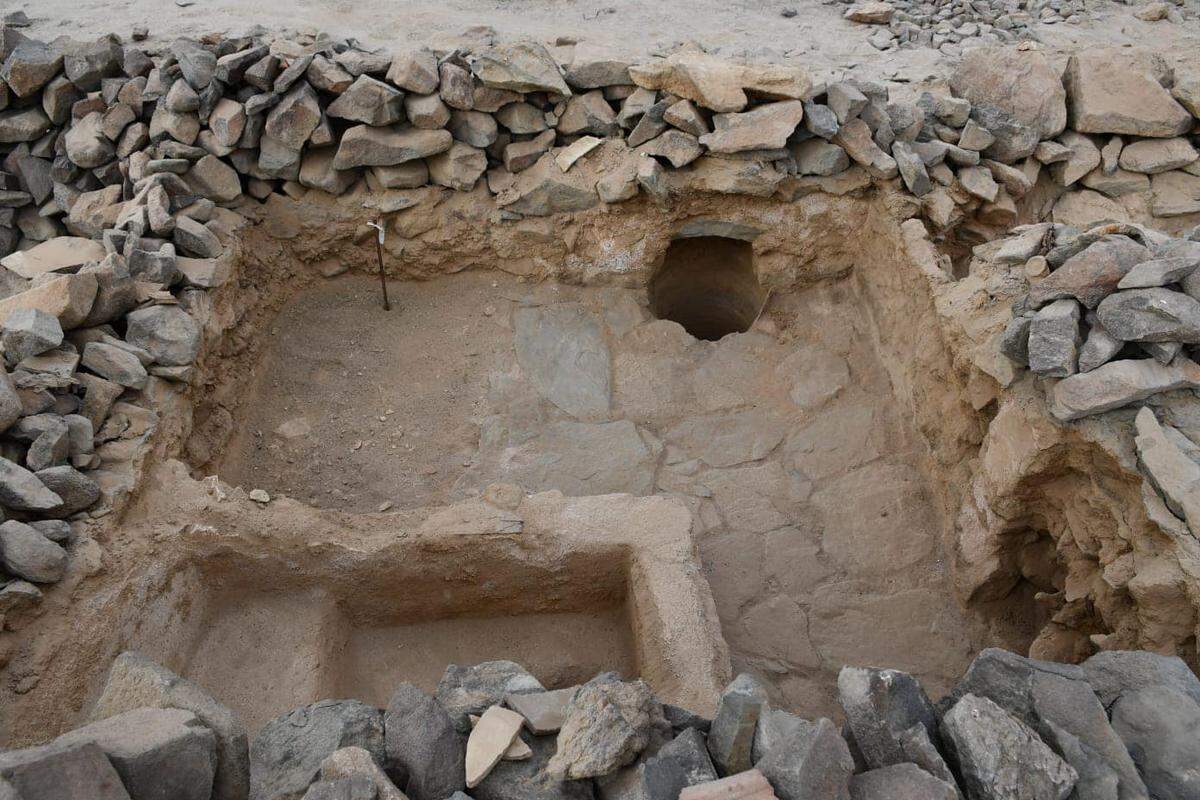
Archaeologists excavating the Sukari gold mine in southeastern Egypt uncovered a 3,000-year-old mining camp. The site included ruins of a mining factory, homes, workshops and places of worship, along with artifacts like statues and pottery. These findings provide a glimpse into ancient Egyptian mining technology and the lives of the miners. | Published Feb. 26 | Read More |
22,000-year-old tracks — possibly from ‘oldest known’ vehicle — found in national park
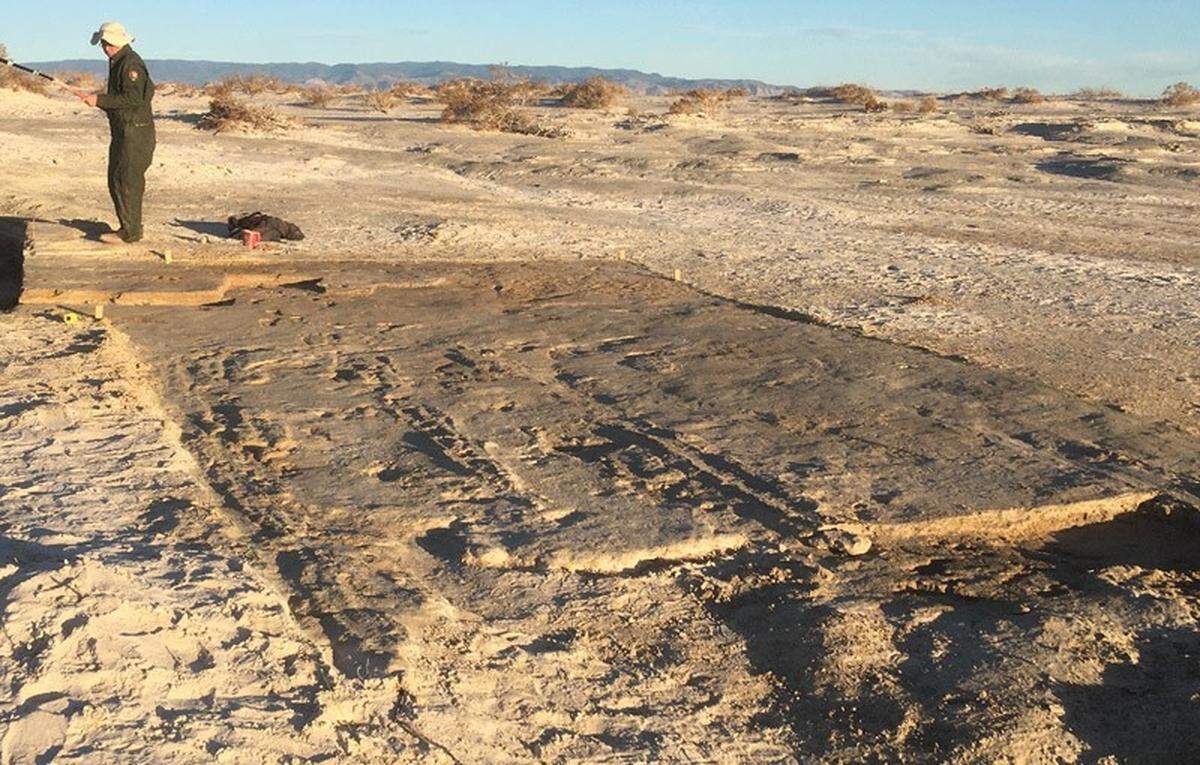
In White Sands National Park, New Mexico, researchers discovered fossilized tracks believed to be from a travois, a cart-like construction used 22,000 years ago. The tracks, considered the oldest known evidence of vehicle transport in the Americas, were likely made by adults and children moving together. This discovery offers a unique insight into ancient transportation methods. | Published Feb. 27 | Read More |
McClatchy News continues to follow the discovery of intriguing archaeological discoveries from around the globe. Check back to see the latest finds.
This story was originally published February 28, 2025 at 3:19 PM with the headline "Hidden underground cults and iron from space: See the latest archaeological discoveries."