‘Cryptic’ desert creatures — seen doing ‘push-ups’ — discovered as new species
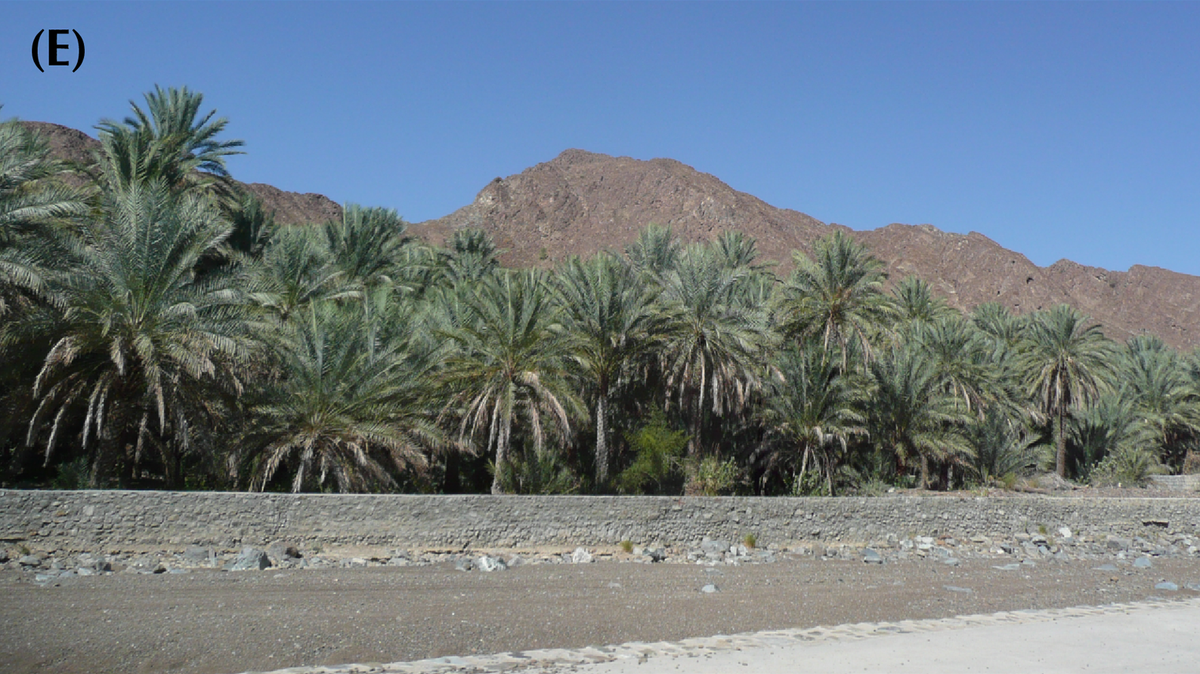
In the arid mountains of Oman, some “cryptic”-looking creatures moved around on the rocks, occasionally pausing to do “push-ups” or inflate their bodies. These movements — a sort of visual communication style — were their “most distinct characteristic.”
Yet, when scientists took a closer look, the desert animals turned out to be multiple new species.
A team of researchers in Oman decided to take on a “long-standing” challenge: classifying some “extremely abundant” and similar-looking geckos found all across the country’s Hajar Mountain range, according to a study published Feb. 24 in the peer-reviewed journal Plos One.
For years, experts had debated whether these “small”-eyed geckos were just one widespread species or were actually multiple species, the study said.
To settle the decade-long debate, researchers tracked down about 150 of these geckos from museum collections and dozens of wildlife surveys. They documented the lizards’ habitats, analyzed their appearances and tested their DNA.
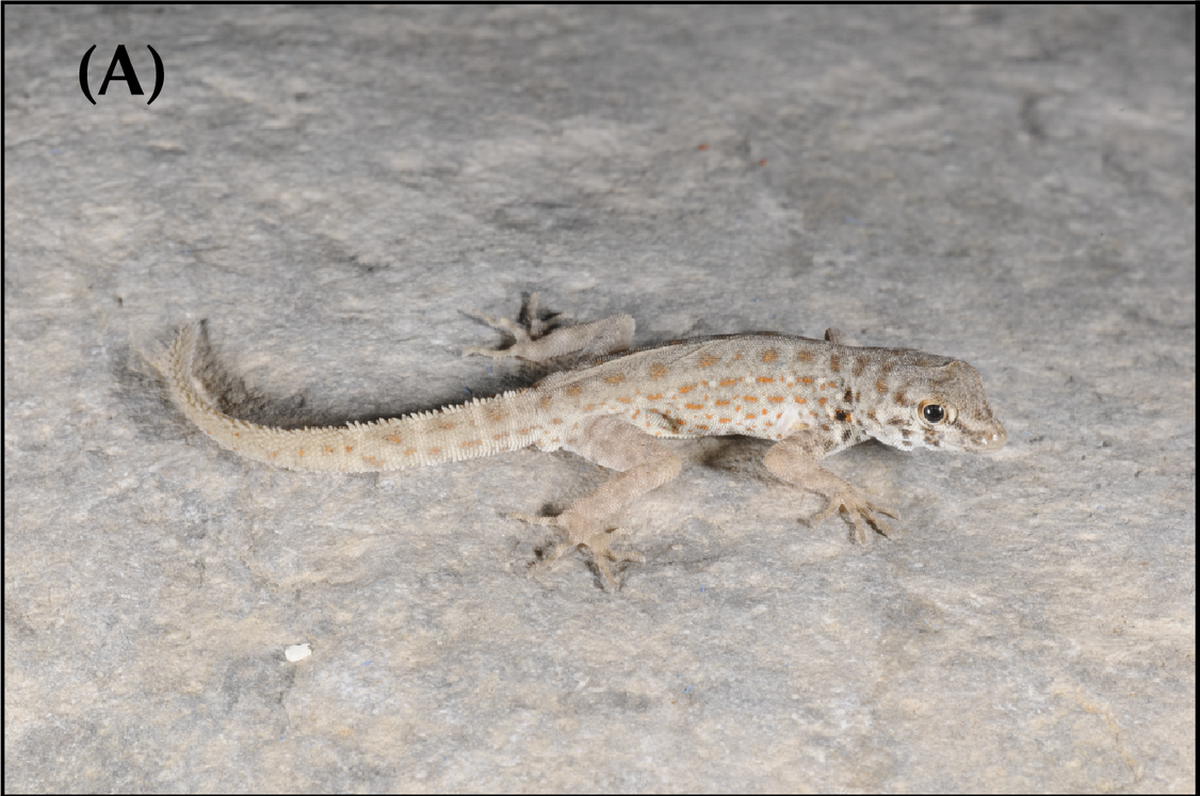
Several patterns emerged. Although the geckos all looked relatively similar, their DNA was “highly distinct,” the study said. Researchers realized they’d discovered four “cryptic” new species of semaphore geckos.
Semaphore refers to the use of visual signals to pass along information and is most commonly associated with flag signals. Semaphore geckos earned their name because they use body and tail movements to communicate with each other.
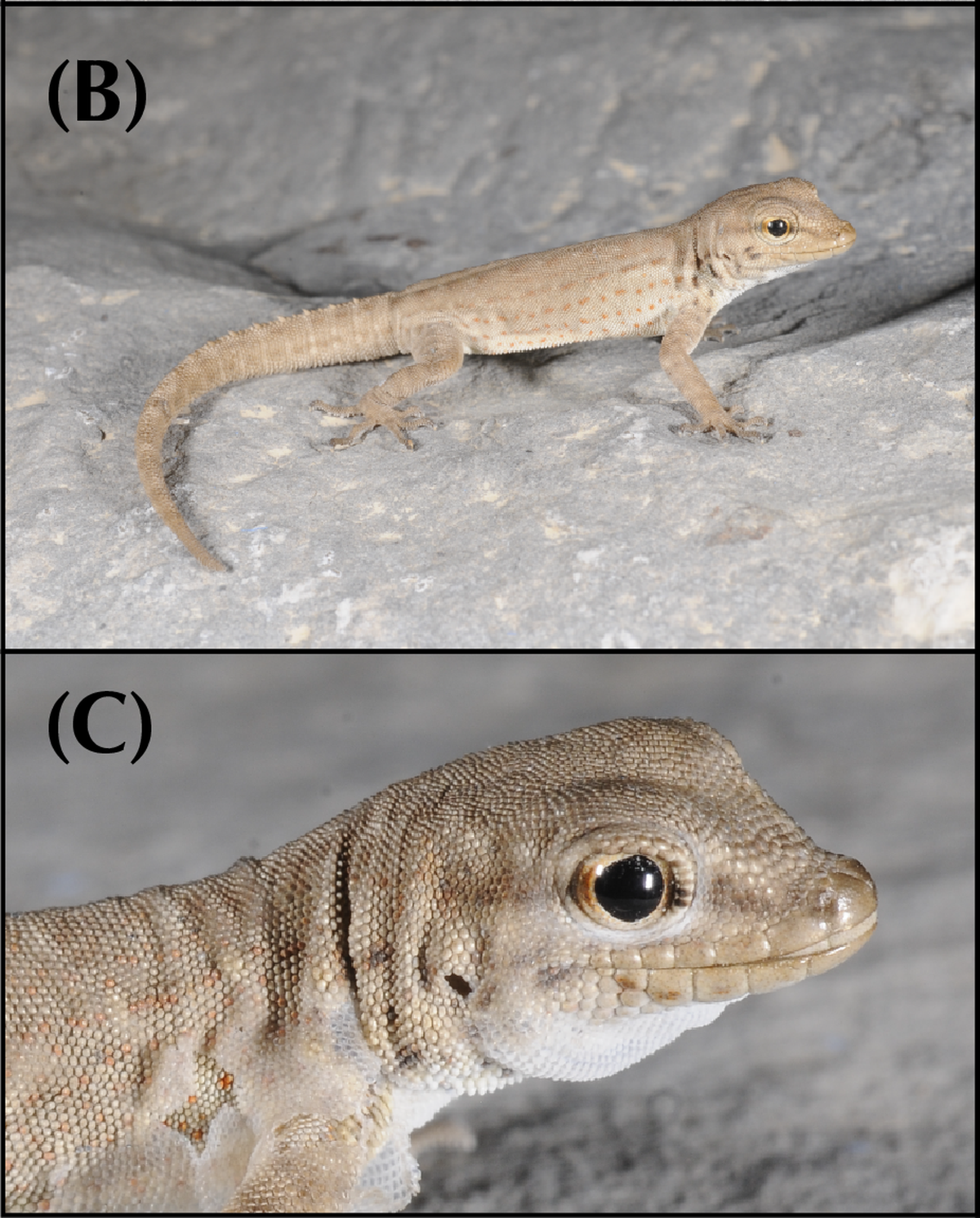
Like the other semaphore geckos, the new species were seen doing “push-ups,” “inflating” and deflating their bodies and throats, as well as “curling and waving” their tails to signal each other, the study said.
The new species were relatively common and often found together “on rocks, boulders, tree trunks, and human-made structures such as walls, houses, and gardens,” researchers said. The geckos hunted ants and other invertebrates during the day “using a sit-and-wait strategy.”
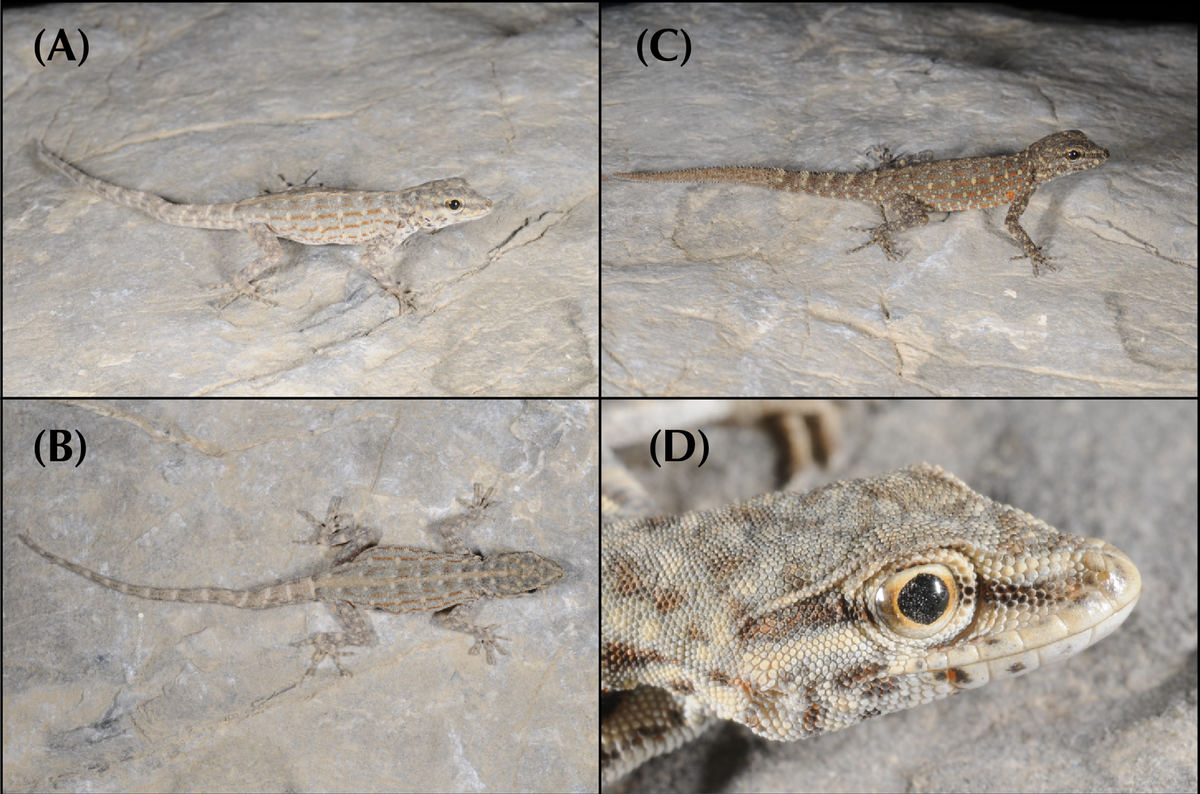
The first new species was named Pristurus omanensis, or the Oman semaphore gecko, and showed a preference for lowland habitats, the study said.
The second new species was named Pristurus ali, or Ali’s semaphore gecko, after Ali Alghafri, an environmental official who provided “companionship, guidance and help during several field expeditions across the Hajar Mountains.”
Researchers said they named the third new species Pristurus feulneri, or Feulner’s semaphore gecko, after Gary Feulner, an American naturalist, “for his 39 years of dedication” and research contributions on the biodiversity of the Hajar Mountains.
The fourth new species was named Pristurus assareen, or the As Sareen semaphore gecko, after the only place where it has been found: the Wadi As Sareen Nature Reserve, researchers said. Unlike the other new species, As Sareen semaphore geckos are “very secretive,” critically endangered and still poorly known.
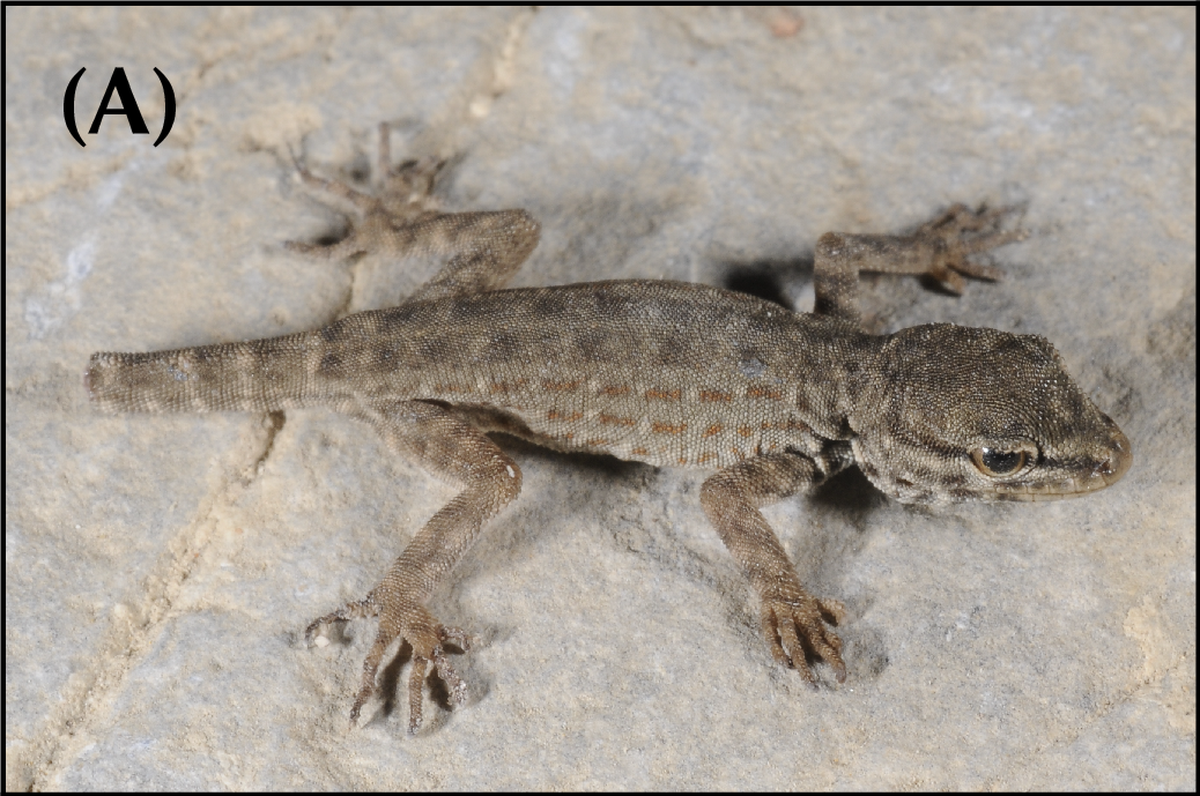
The four new species are considered “impossible” to differentiate in the field and were identified by their “extreme levels of genetic variation,” the study said.
Researchers said their work “sheds light on the hidden diversity” of semaphore geckos and shows the Hajar Mountains are “a cradle of reptile biodiversity.”
The research team included Bernat Burriel-Carranza, Thore Koppetsch, Juliana Tabares, Adrián Talavera, Gabriel Mochales-Riaño, Maria Estarellas, Benjamin Wipfler, Johannes Els, Marc Simó-Riudalbas, Dean Adams, Saleh Al Saadi, Joan Garcia-Porta, Karin Tamar, Jiří Šmíd and Salvador Carranza.
This story was originally published February 28, 2025 at 2:53 PM with the headline "‘Cryptic’ desert creatures — seen doing ‘push-ups’ — discovered as new species."